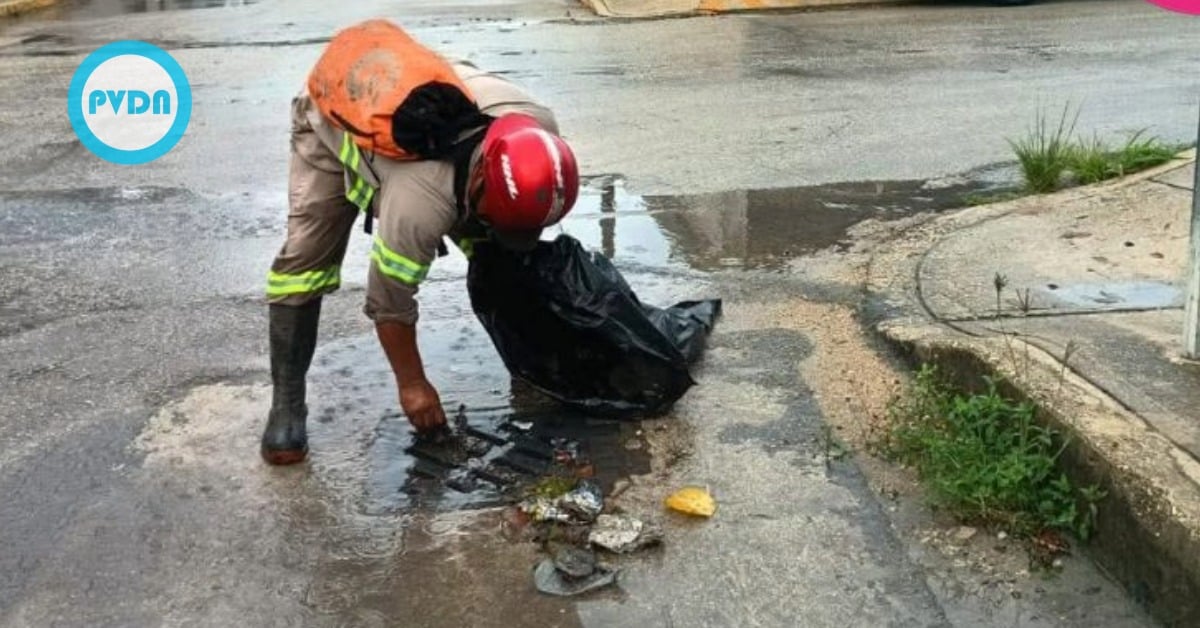
Tulum’s public services crews have been out early, clearing drains, trimming brush, and picking up trash in parks and along busy streets. City officials say the work will keep moving through different neighborhoods each week, with beach cleaning running in parallel during the sargassum season. Residents in Las Palmas and Tumben Kaa have already seen crews at work. The city points to fresh gear for its teams and a state push on coastal cleanups as signs the effort will stick, not fade after the photo op.
Tulum intensified basic cleaning and maintenance this week, sending public-services crews to sweep streets, clear storm drains, trim brush, and tidy up parks in several neighborhoods. Local outlet Palco first flagged the push, describing the desalination work and rehabilitation of green areas across the city. Similar dispatches from other Quintana Roo outlets, plus the city’s own channels, show the pattern: rotating brigades covering parks and streets where families gather and traffic is heaviest.
Tulum cleaning campaign
On the ground, the work has focused on practical fixes. In Las Palmas, crews cut back overgrowth and removed trash from the central park used daily by families. In Tumben Kaa, crews cleared camellones and trimmed brush to improve visibility for drivers and pedestrians. These are unglamorous jobs—less ribbon-cutting, more sweat—but they matter when heavy rains hit and clogged drains turn streets into ponds.
City posts on Facebook and Instagram line up with the neighborhood reports, documenting continued trimming, sweeping, and debris pickup in Tumben Kaa across multiple days. That consistency supports the promise officials have made for a “programa permanente” that cycles through colonies rather than stopping after one pass.
Beach cleaning runs alongside the street work. Last month, Tulum’s ZOFEMAT unit opened temporary jobs for shoreline cleanup, including sargassum removal—part of the city’s effort to keep its main attraction usable during peak arrivals. And in June, the state government coordinated a same-day sargassum sweep in seven coastal municipalities, Tulum among them, under a broader plan to manage seasonal macroalgae landings.
What residents can expect next
Capacity is often the difference between a one-off cleanup and a routine. In June, Tulum equipped 220 public-services workers with fresh uniforms and gear—boots, gloves, eye protection, blowers, and hedge trimmers—meant to keep teams safe and active through longer cycles of work. That investment, if sustained, helps the city move faster after storms and ahead of festival weekends, when parks and beach access points get crowded.
There is also a larger frame. Quintana Roo signed onto a national coastal-cleaning strategy this year aimed at cutting plastic on beaches over a five-year window. Tulum’s participation in state-led sargassum actions fits that arc, and public-services enforcement data show the city is nudging residents and businesses to do their part—keeping sidewalks, curbs, and storefront areas clean and not dumping debris into public spaces. The goal is simple: fewer blockages, safer streets, and parks that actually feel welcoming.
Residents will notice the basics first. Cleared drains mean quicker runoff after an afternoon downpour. Trimmed brush improves sightlines at corners where kids cross to play. Cleaned parks invite families back at dusk, when the heat drops and the plaza fills. Those are small wins, but they add up—especially in a city that lives off its public spaces as much as its hotels.