Tulum’s beach math just changed. After weeks of anger over the pricey entry to Jaguar Park, the mayor says that sixteen hotels and beach clubs will now allow the public to reach the sand without paying a cover or hitting a minimum tab. It’s a stopgap born of pressure and law: beaches are public, but in practice, access often isn’t. The move won’t solve every choke point or eliminate every fee, yet it flips the script for families and travelers who have been priced out this season. Which venues joined, and what comes next?
Tulum officials say the beach is back within reach. In a weekly “Tulum Comunica y Avanza” briefing, Mayor Diego Castañón announced that 16 hotels and beach clubs will allow entry to the beach with no cover and no minimum spend, opening their corridors so people can get to the shoreline without paying first. The move addresses weeks of frustration over steep charges associated with Jaguar Park.
City hall framed the alliance as both a legal and practical correction. Mexico’s law treats beaches as national assets for public use. Authorities have stated for years that access cannot be blocked or conditioned, including through paywalls that effectively gate the shore behind consumption rules. The principle is clear; the reality on the ground has been messier.
Why this matters now
Residents and workers have shouldered the fee pressure first. Local guides and boatmen complained that the increased costs of Jaguar Park entry and operational changes had pushed them out of their traditional routes and client base. Hoteliers watched families balk at the math for a day at the beach. The mayor’s pledge funnels foot traffic through private properties that agree to open their pathways, a workaround that buys time while officials negotiate rules inside the protected area and pursue legislative fixes in Mexico City.
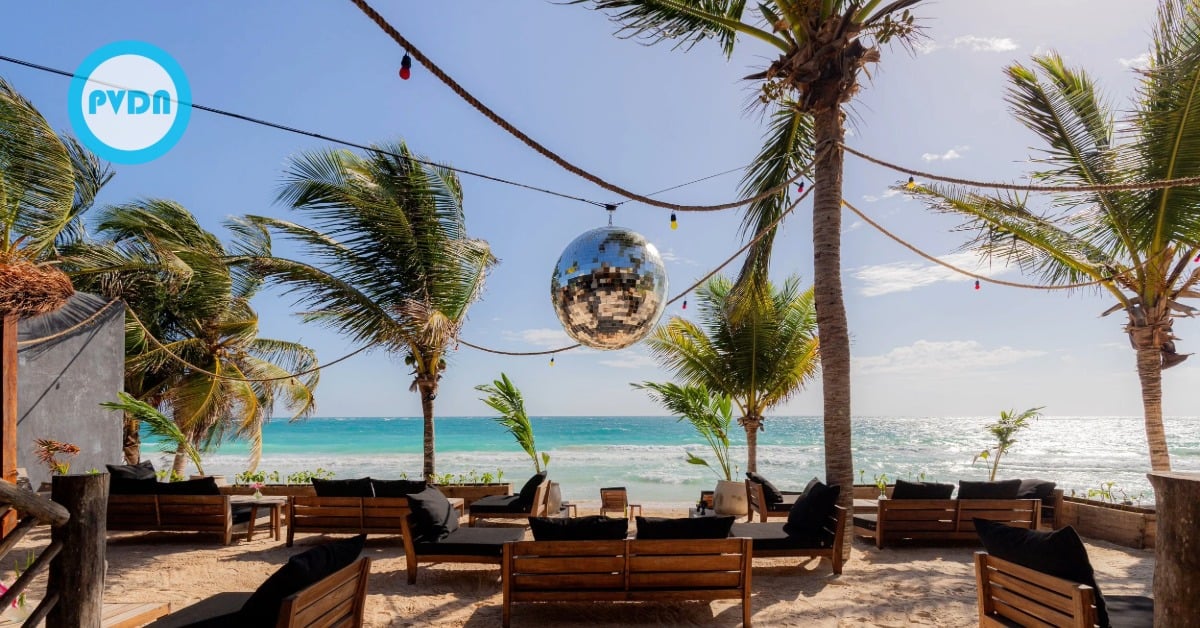
The city-named venues are long associated with Tulum’s beachfront. Properties such as Ana y José, Casa Gitano, Casa Violeta, Ahau, Delek, Alaya, Coco Unlimited, Nest, Sana, Dos Ceibas, Villa Alquimia, Papaya Playa Project, and Maxanab Tulum are among the hotels cited by authorities. Beach clubs include La Eufemia, Blue Venado, and Fara Fara. All, the mayor said, will drop cover charges and minimum consumption as part of this agreement.
Tulum free beach access and the law
On paper, this shouldn’t be radical. Mexico’s General Law of National Assets says access to maritime beaches and the adjacent federal zone “may not be inhibited, restricted, obstructed or conditioned.” Environmental officials have repeatedly underlined the point. Yet enforcement has lagged, and new protected-area rules layered on top of tourism corridors have created fresh bottlenecks. That is how a public right can still feel like a luxury in practice.
The park’s managers argue that the fees fund conservation and crowd control. Locals counter that ticket booths shouldn’t wall off a right that predates the park, and that residents and modest-budget travelers are being priced out of their own shoreline. That tension set the stage for today’s hotel alliance, which restores practical access while longer fixes are debated at the federal level.
City hall hinted this is a first step, not a finish line. Officials said they will continue to push for durable, lawful access, while encouraging more venues to join. For visitors, the bottom line is simpler: the beach is there again without a mandatory spend. For the town, the test is whether this relief holds through high season—and whether it can be made permanent by policy, not goodwill alone.