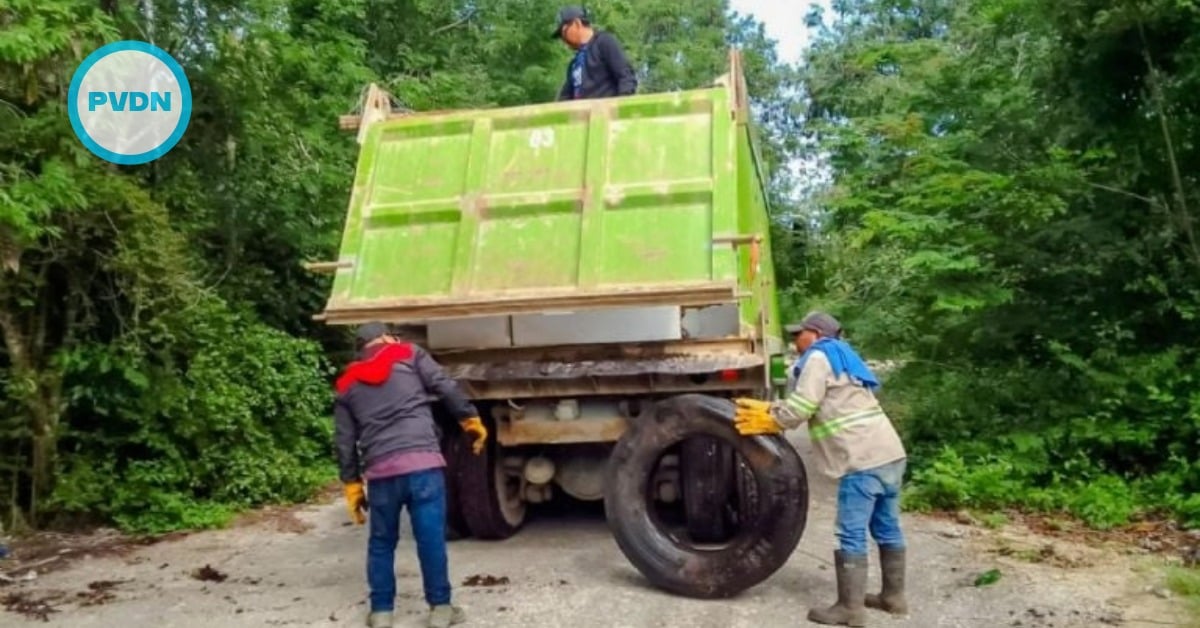
On Tuesday, November 11, 2025, Tulum kicked off a sector-by-sector effort to eliminate mosquito breeding sites across town. Trucks are circulating through neighborhoods to remove items that collect water, while municipal health teams are visiting homes to share clear prevention tips. The goal is simple: fewer places for mosquitoes to breed, lower risk of dengue, Zika, and chikungunya for local families.
Tulum mosquito cleanup
The first sweep began in the Tumben Kaa area at 8:30 a.m., with officials urging residents to put out buckets, tires, and other junk at the curb on the morning their sector is scheduled. City posts say the route will move block by block, and calendars will be shared through official channels and neighborhood committees. If you’re unsure when trucks reach your street, check the municipal announcement for the day’s pickup point and time.
At the launch, city leaders framed prevention as a community job. Health workers will keep knocking on doors to reinforce the basics that work: keep patios clean, flip containers, scrub and cover water tanks, and avoid standing water after rainfall. Those steps may seem small, but they interrupt the mosquito life cycle and reduce the odds of bites that spread disease. The campaign leans on that low-cost math while the city handles heavy lifting at the curb.
Why now? Because the risk is still real, even if the region isn’t seeing last year’s extremes. The Pan American Health Organization reports that by epidemiological week 40, 2025, the Americas had nearly 4 million suspected dengue cases—lower than 2024’s record but still high enough to warrant sustained prevention. Mexico remains among the countries contributing a sizable share. See PAHO’s most recent regional situation update for the full picture.
Local pressure also played a role. Residents in Tulum neighborhoods, including Tumben Kaa and La Veleta, have been raising concerns about mosquito swarms since early October, asking for faster fumigation and larval control. The new cleanup drive meets part of that demand by removing water-holding junk before it becomes a problem. It’s prevention that shows up on your block.
What residents can expect
Expect a rolling schedule. Crews will notify sectors ahead of time; the city says to set out items early on pickup day so trucks can move quickly and cover more streets. Health personnel will continue door-to-door visits to explain risks and answer questions—especially around rainfall, water storage, and how often to clean tanks. This is also about building habits: the city handles the once-over, but keeping containers drained week to week makes the gains stick.
National tracking underscores why these basics matter. Mexico’s health authorities publish a weekly epidemiological panorama of dengue; 2025’s reports show ongoing transmission countrywide, with hot spots shifting as rains move. Vaccines and new tools are part of the long game, but in the near term, eliminating breeding sites remains the fastest, cheapest way to reduce bites and protect families—especially children and older adults.
For Tulum, the measure of success will be visible on the curb: fewer tires and buckets holding water, fewer places for Aedes mosquitoes to lay eggs, and fewer bites on warm nights. The city’s message is direct and neighborly. Put out the junk on your sector’s day. Keep patios tidy after storms. Ask the health teams questions when they knock. Tulum mosquito cleanup only works when everyone on the block plays a part.