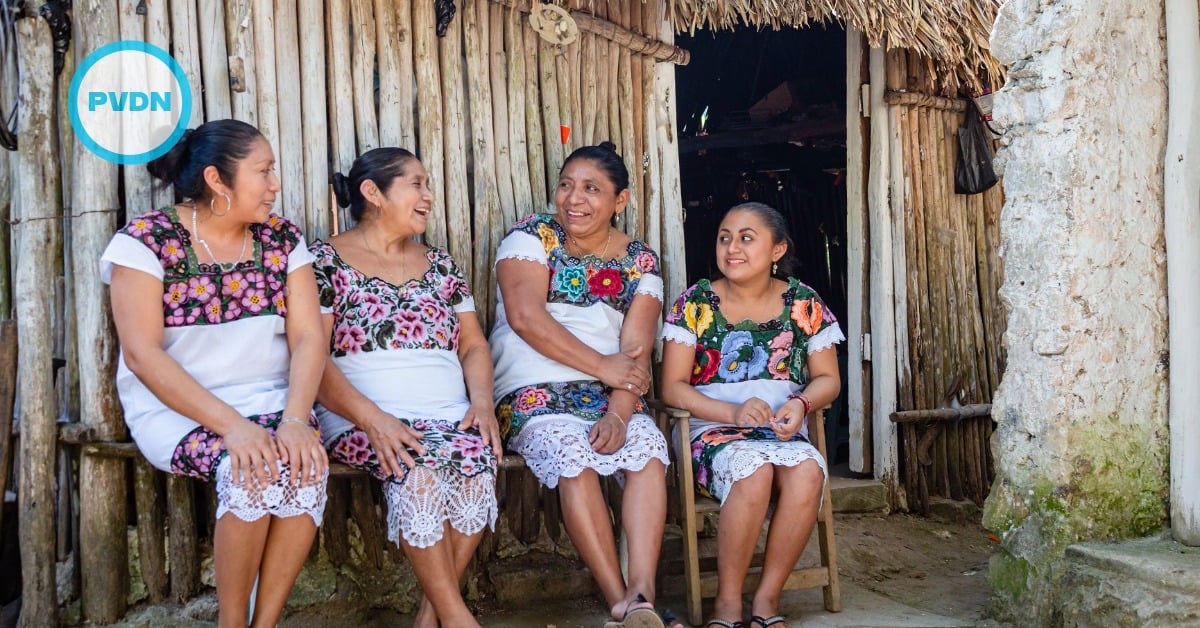
A new report says more than a third of Maya households around Tulum still don’t have regular piped water. Residents describe hauling buckets, paying for trucked deliveries, and living without dependable drainage or trash pickup. Census data backs up the picture of uneven progress: state-level gains mask deep gaps in rural and Indigenous areas. Officials have announced projects in past years, but the everyday reality in outlying communities remains stubbornly unchanged. Here’s what the numbers show, what locals say, and why the fixes keep slipping.
Tulum potable water
Quadratín reports that over 35% of Maya households in Tulum lack regular piped water, and that additional complaints include missing drainage, unreliable lighting, and irregular trash collection. The article cites federal statistics and first-hand accounts from rural communities on Tulum’s outskirts. Those accounts line up with the geographic pattern many residents know: the closer you are to the tourist corridor, the better your odds of getting a steady flow when you turn the tap.
Census data helps explain how the averages can mislead. At the state level, Quintana Roo shows high coverage for basic services in cities. But the share of homes without piped water rises outside urban centers, and the state’s long-term trend still leaves pockets of rural scarcity. INEGI’s 2020 census presentation for Quintana Roo shows how access to piped water is distributed and how progress stalls at the margins —a reality that aligns with what families in Tulum’s Maya communities describe today.
The gap behind the averages
Federal poverty evaluators also flag “access to basic housing services” as a chronic shortfall in Quintana Roo, especially for rural and Indigenous populations. CONEVAL’s municipal brief for Tulum underscores that the lack of piped water or drainage counts as a rights gap, not just an inconvenience, and that this persists even as tourism grows. That framing matters: when the state touts coverage percentages, families who still rely on wells, deliveries, or public spigots are counted in the deficit the law is supposed to close, not in a gray zone of “almost served.”
Residents’ experiences in the Quadratín piece point to the daily costs of that deficit. When water doesn’t come through a household line, families pay more per liter for trucked water, lose hours to hauling, and face hygiene trade-offs. Without drainage, septic overflows and makeshift solutions raise contamination risks in a fragile karst aquifer that feeds cenotes and the coast. Electric flickers can stall pumps and make “service on paper” worthless in practice—especially for households that cannot afford backup storage.
Officials have announced improvements over the years, and some communities have seen pipes extended. But scale, maintenance, and follow-through keep colliding with Tulum’s rapid growth. Until rural Maya localities receive durable pipes, treatment, and reliable power to move water—and until drainage projects catch up—tourist-area progress will keep masking the basic-needs gap at the edges of town.