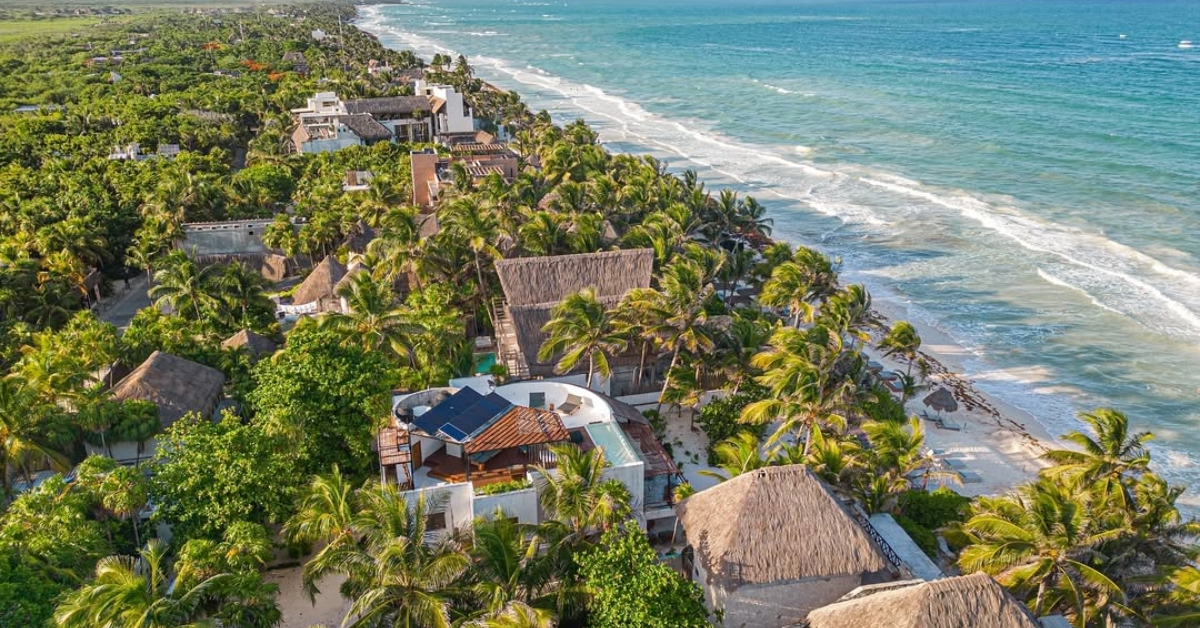
Once hailed as Mexico’s real estate goldmine during the pandemic, Tulum real estate is entering a period of contraction. According to real estate consulting firm 4S Real Estate, home sales in the city have declined by 32 to 35 percent since 2023, marking a sharp reversal from the buying frenzy that defined 2020 and 2021.
In those boom years, Tulum saw more than 1,000 high-rise units sold in a single quarter, fueling a development spree that introduced over 400 active projects to the market. But the small coastal town, known more for its bohemian charm than urban planning, wasn’t built to handle the influx.
Today, oversupply, low occupancy, and deteriorating infrastructure are defining a new, more sobering chapter for this once-hyped destination.
From investor darling to saturated market
Tulum’s property boom was fueled by foreign capital, with many buyers falling into the category of “investor-consumers”—people who purchased with the intent to both use and rent out properties. But that model has lost traction as demand weakens and resales flood the market.
“There was a significant drop, especially in very specific housing segments, such as residential, plus residential, and, to a certain extent, premium,” said Arturo Garcidueñas, Southeast regional partner at 4S Real Estate.
Currently, the city is estimated to have over 10,000 units on resale, many from investors attempting to recoup lost returns. Vacation rental platforms like Airbnb reflect this trend with permanent discounts of 30 percent or more, particularly during the off-season. Average occupancy has dropped below 50 percent, and nightly rates continue to decline, leaving many units vacant or underperforming.
Prices rise—but locals are priced out
Despite falling demand, Tulum real estate prices are still climbing, largely due to rising land values and the shift toward luxury developments. The average home price rose from 4.5 million pesos in 2020 to 6.2 million in 2024.
Tinsa, another real estate consultancy, supports this trend. Its 2025 data shows:
- Horizontal residences: 5.3 million pesos
- Vertical residences: 5 million pesos
- Price per square meter for houses: 42,863 pesos, up from 27,701 pesos in 2021
- Apartments: 64,621 to 74,729 pesos per square meter
But this increase has pushed out local residents, who face a growing disconnect between available housing and what they can afford. “There’s no alignment of supply in that regard,” said Garcidueñas. “Products are needed for the people who work and live in the area.”
The issue extends to the rental market as well. While monthly costs appear stable, that’s only because units have shrunk in size. The average property decreased from 125 square meters in 2015 to just 82 square meters in 2024. Meanwhile, cost per square meter rose from 279 pesos in 2020 to 308 pesos in 2024, even though the total rent per unit slightly dipped from 25,897 pesos to 25,509 pesos.
Infrastructure under strain
The construction boom wasn’t matched by investments in public services. In Tulum’s rapidly urbanized zones, there’s still no centralized drainage system. Most buildings rely on septic tanks, many of which are believed to be leaking into underground waterways and, eventually, the sea.
“The septic tanks empty into the sea. The caverns are filled with human feces, and there’s no one to do anything,” warned Eddie Villarreal, founder of the Tulum Hotel Residents Association.
The city’s electrical grid is also unreliable, and transportation has become a major issue, with only one main road serving the entire urban area. “The traffic problem, with that street being the only one, is a mess,” Villarreal said.
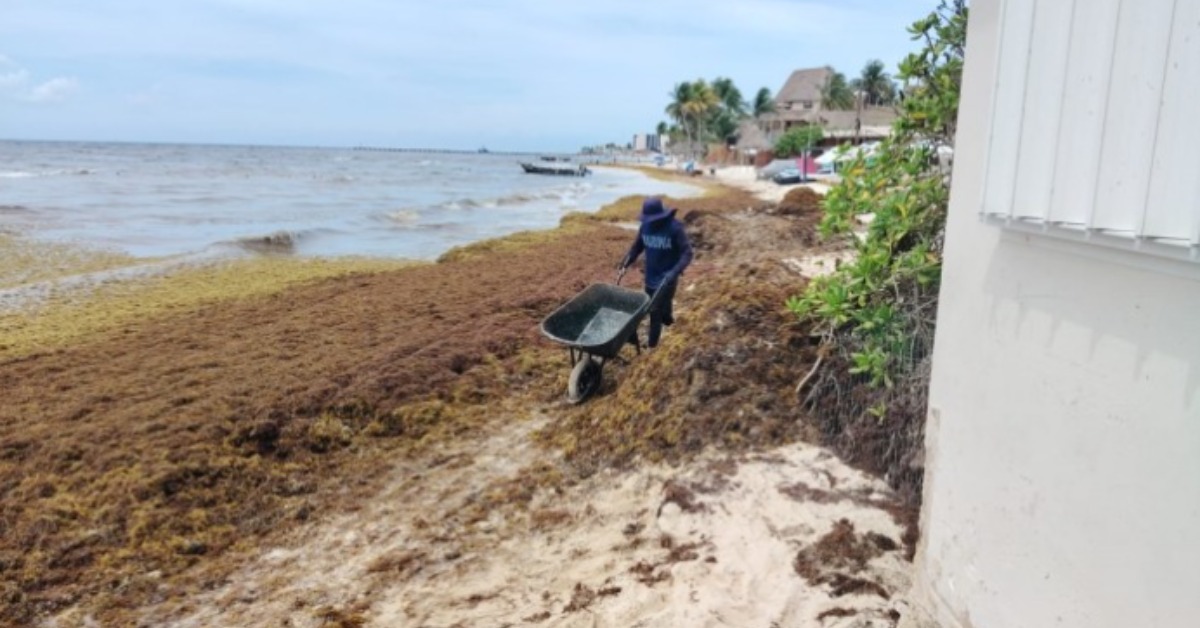
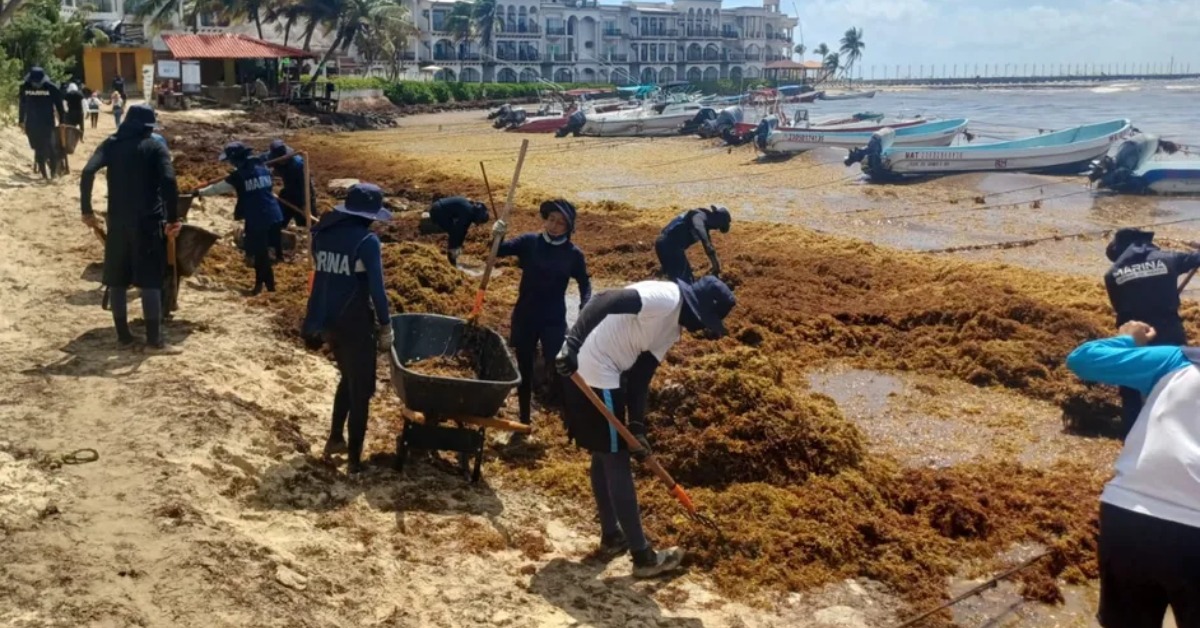
These deficiencies aren’t just inconveniences—they’re deteriorating the visitor experience and the region’s long-term appeal. On top of this, sargassum blooms continue to plague local beaches, further pushing tourists to better-managed destinations like Los Cabos or Riviera Nayarit.
External economic pressures deepen the crisis
According to 4S Real Estate, U.S. economic uncertainty—including higher interest rates and a cooling housing market—is also contributing to the slowdown. The U.S. remains the primary source of foreign investment in Tulum, so shifts in its economy ripple directly into the local market.
Global macroeconomic uncertainty, rising construction costs, and reduced appetite for short-term rentals have only added pressure.
While nearby destinations such as Playa del Carmen are showing early signs of stabilization, and Cancún remains relatively steady, Tulum’s situation is unique due to its volume of unchecked development and lack of regulatory oversight.
Course correction or collapse?
For Garcidueñas and other experts, Tulum’s current real estate slump doesn’t signal collapse—it signals a critical market correction.
“We’re in a real estate cycle,” he explained. Recovery, he says, depends on a coordinated effort between the public and private sectors. That means not just urban planning, but also investments in water, electricity, roads, waste management, and other services that form the foundation of sustainable growth.
“Develop a strategic plan, not just for urban development, but also for facilities, services, and infrastructure,” he said. “Ensure orderly growth.”
The plan must include:
- Land use regulations
- Public investment in utilities
- Inclusion of local residents in development planning
The most important piece, he added, is market research. “Let’s not continue filling the market with products that aren’t aligned,” Garcidueñas said. “We have to know what gaps need to be addressed and what kind of product should be conceptualized.”
Tulum’s new airport and the Mayan Train project are creating opportunities to revitalize the tourism pipeline. But without serious action to manage the fallout of overdevelopment, connectivity won’t save the town from its growing pains.
“It’s useless if we don’t have the capacity to properly receive these people,” Garcidueñas warned. “Provide them with the services they need, and maintain quality infrastructure in the area.”
Tulum’s future, it seems, depends not on what is built next—but on whether the city can fix what’s already broken.
Tulum real estate, Mexico property market, vacation rentals Mexico, housing crisis Tulum, tourism infrastructure Mexico