You don’t often see the royal flycatcher’s crown. In Tulum’s wetlands, it appears in quick flashes—an orange fan with blue tips—then disappears back into the shade. Local naturalists say the bird still holds on here, nesting over slow streams and picking insects in the midstory. It’s not considered globally threatened, but habitat pressure is real. This is a look at what keeps the species going in Tulum—and what could put it at risk. The story here is less drama, more attention: keep the wetlands working, and the crest still shows up for those who look with patience.
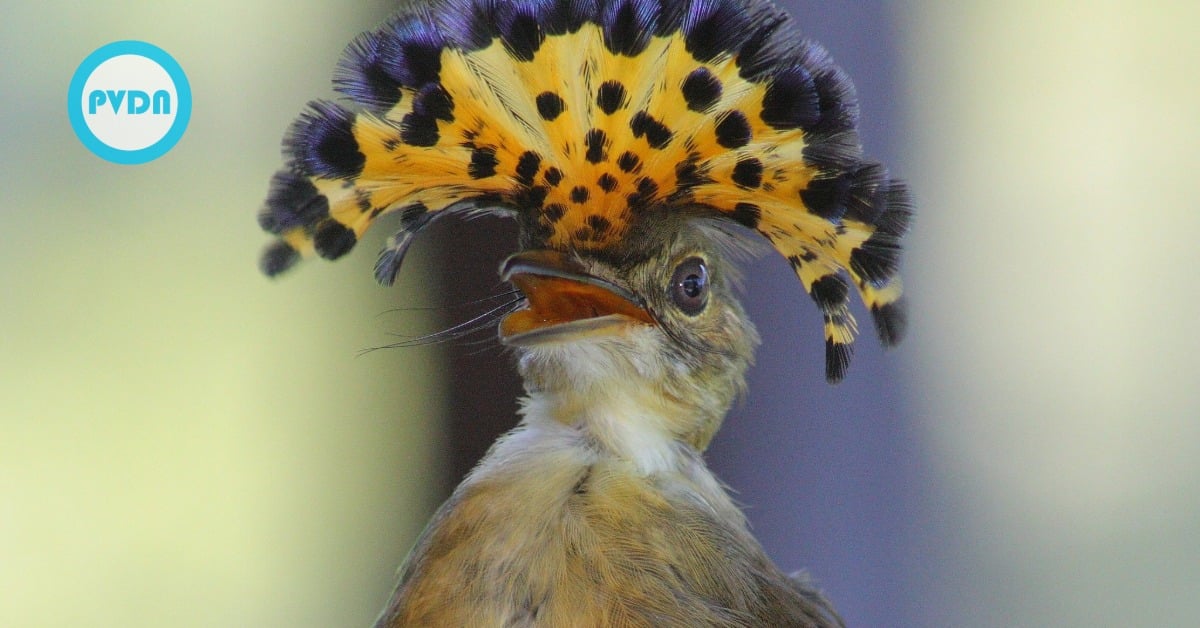
At first light in Tulum’s low wetlands, a hush sits over the reeds and slow water. Every so often, a small brown bird flicks into view and—if you’re fortunate—flares a fan-shaped crown that looks painted by hand. That’s the Tulum royal flycatcher, a shy insect-eater that keeps to the midstory and favors edges of streams and flooded thickets. Researchers note the crest opens during courtship or agitation, which is why most people never see it fully spread.
La Jornada Maya’s latest Fauna Nuestra column, datelined Tulum, spotlights the species by its scientific name, Onychorhynchus coronatus. The piece places it in local wetlands, notes its striking crown, and points to conservation concerns that make these quiet habitats matter—both for the bird and for the broader web of life living in them. The column also describes the bird’s preference for nest sites above slow water and its largely insect diet.
Tulum royal flycatcher
Taxonomists juggle names in this group, but the bird you see in Quintana Roo is the northern population recognized by leading checklists. Globally, BirdLife International assesses the northern royal flycatcher as Least Concern due to its wide range from Mexico through Central America, even as local populations can be thin and habitat-limited. In plain terms, it’s not globally threatened, but local losses of wet forest and wetland edges can thin it out fast.
Tulum sits beside one of the hemisphere’s great mosaics of wet habitats. The Sian Ka’an Biosphere Reserve, just to the south, mixes mangroves, marshes, lagoons, and coastal forest—precisely the kind of complex, humid edges where this bird forages and nests. UNESCO describes it as a living network of tropical forests and wetlands; conservation data sets underline its hydrology and habitat diversity. That’s not abstract. For a bird that likes over-water nest sites and shaded, insect-rich edges, this landscape is home.
None of this has been effortless. Along the Caribbean coast, mangroves face constant pressure from clearing, infill, and shortcuts that ignore environmental law. Federal and state agencies do carry out enforcement—recent cases in Quintana Roo involved closures for illegal clearing—but the pattern is whack-a-mole. Protected areas help: peer-reviewed work on the Yucatán Peninsula finds that natural protected areas correlate with better mangrove trends compared with unprotected zones—the flycatcher benefits when those mangroves, marshes, and wet forests remain intact.
Back in Tulum, the bird’s daily routine is easy to miss. It hunts quietly, sallying from perches to pluck insects, then disappearing into cover. When it does flash that crown—burnt orange with blue-tipped spangles in males—it feels like a private performance. Ethologists studying the species have documented these crest displays during courtship and agitation; local columnists, birders, and guides all describe seeing nests suspended over slow water, a clever tactic in predator country. If you’re looking, patience at shaded stream crossings pays off.
Why these wetlands still matter
This isn’t a story about a bird on the brink. It’s a story about whether we keep the conditions that let ordinary miracles persist. The royal flycatcher’s presence means the food chain still works: insects emerge; shade stays cool; water moves slowly enough for nests to hang safely; mangroves and marshes blunt storms and store carbon. When those pieces fray, quiet specialists are the first to fade. Tulum’s wetlands still hold this species. Keeping that true is a choice—made day by day, permit by permit, and trail by respectful trail.