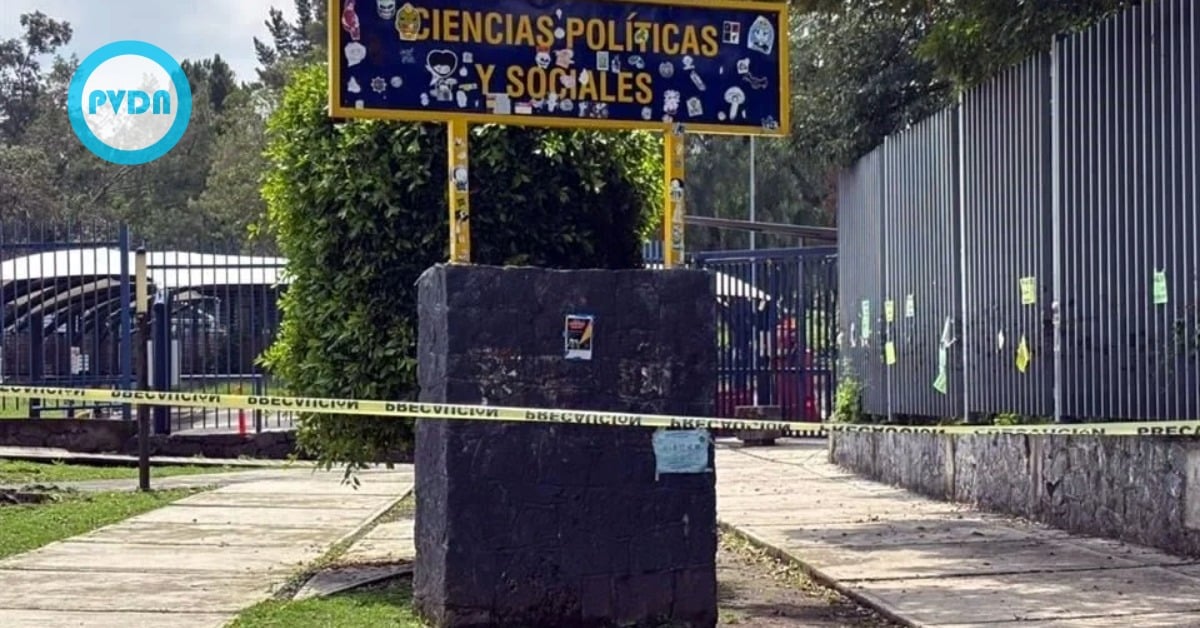
Eighteen complaints over UNAM bomb threats have now landed at Mexico City’s prosecutor’s office. Investigators say they’ve identified suspects and already issued a summons. UNAM, meanwhile, is asking students and staff to refrain from amplifying unverified alerts and instead stick to official channels. The scare follows days of evacuations and anxiety across campuses, with police and university teams combing buildings before declaring the alerts false. Authorities warn that criminal penalties apply, and they’re reviewing whether other charges fit. The message is clear: hoaxes carry real consequences.
UNAM bomb threats
Mexico City’s prosecutor says it has opened 18 complaints tied to recent false bomb alerts across UNAM facilities. The office reports “important advances,” including the identification of suspects who have already been summoned to testify. The UNAM publicly backed the investigation and urged the community to refrain from sharing rumors and instead use official channels. The alerts were false, but the fear and disruption they caused were not.
The timeline moved fast. By Tuesday at midday, UNAM issued a bulletin confirming that at least two individuals were identified for allegedly spreading threats against campuses and members of the university community through digital channels. Hours later, the capital’s prosecutor reiterated the count of 18 complaints and said investigators are reviewing what additional crimes could apply beyond simple threats. The coordination involves UNAM, the city’s cyber police, and the Ministry of Public Security.
What authorities are doing now
Prosecutors have started issuing formal summons as part of the casework. They also reminded the public that criminal penalties apply to threats under the city’s penal code, with possible prison time of up to three years. They signaled they’re evaluating whether other charges fit the pattern of conduct seen in these incidents. The goal is to discourage copycats, re-center campus life, and narrow the focus to those who weaponized fear.
The university, for its part, is issuing a cautious message: don’t amplify unverified messages, rely on official updates, and let trained teams handle alerts when they appear. That guidance comes after days of evacuations at different schools and high schools within the UNAM system, from Ciudad Universitaria to prep campuses, where protocols were activated and buildings cleared while teams checked for explosives. None were found.
Why this is hitting a raw nerve
These hoaxes arrived amid a tense backdrop. In late September, a student was killed inside CCH Sur, an unprecedented shock to the university. Since then, anxiety has spiked, and rumors travel faster. The false bomb alerts piggybacked on that unease, forcing closures and feeding a cycle that punishes students and staff most of all. That context explains the university’s plea for calm and the prosecutor’s decision to move publicly and quickly.
Community trust is the other casualty. When an alarm sounds, people should assume good faith and follow instructions; when hoaxes spread, that trust erodes. The prosecutor’s tally of 18 complaints illustrates the frequency of class interruptions, parental concerns, and the diversion of the city’s emergency resources from other tasks. UNAM’s message is simple: let investigators work, wait for official notices, and help prevent the rumor mill from spinning out of control.