UNAM invites Quintana Roo residents to report sargassum health impacts via an online survey, shaping strategies to protect coastal communities.
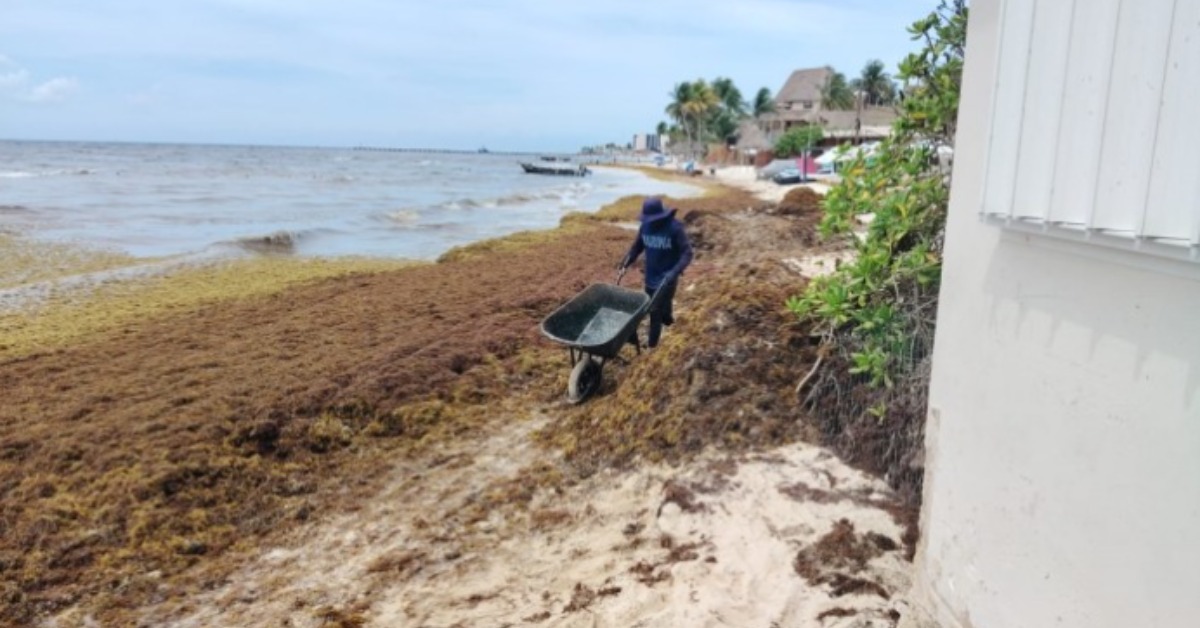
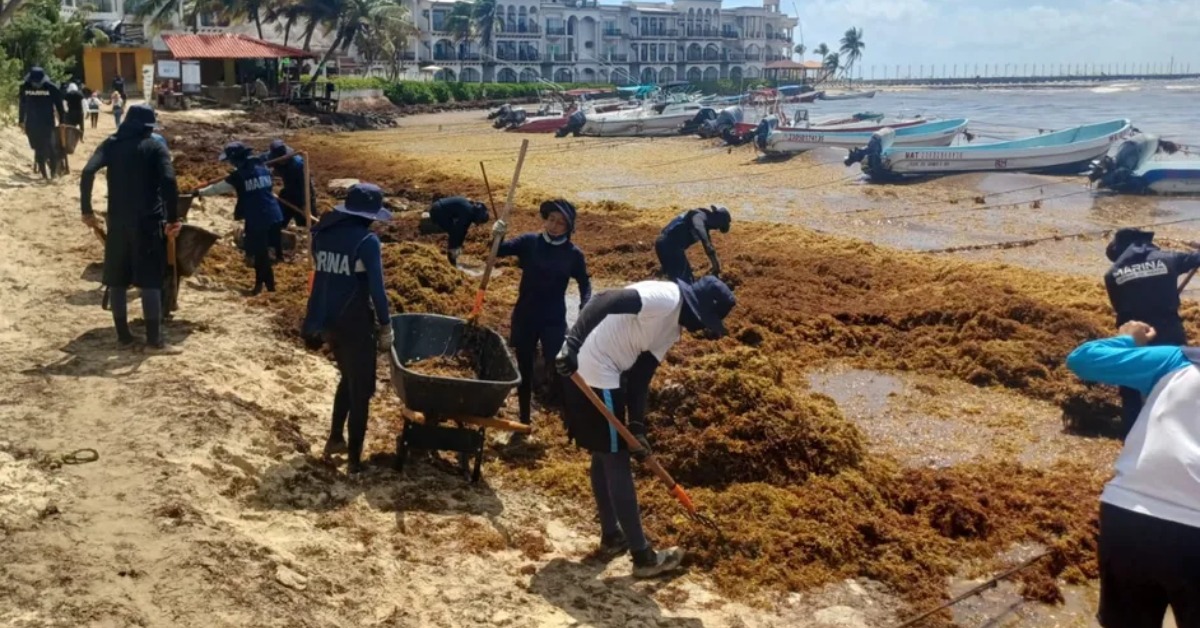
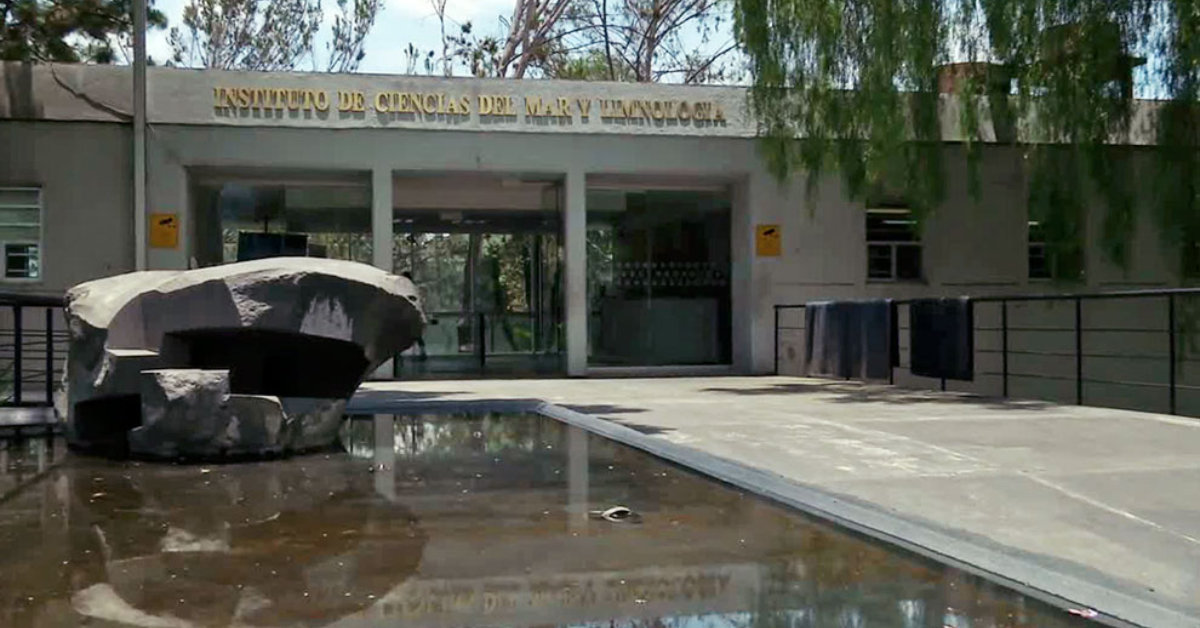
The UNAM Institute of Marine Sciences and Limnology has rolled out an online questionnaire designed to document sargassum health impacts among residents, workers and beachgoers along the Quintana Roo coast. With 2025 marking the region’s heaviest sargassum influx since 2011, researchers aim to capture firsthand accounts of physical symptoms and guide future management strategies.
Rosa Rodríguez Martínez, from UNAM’s Limnology Institute, and Santiago Ramírez Said of the University of Victoria in Canada, lead the effort. They stress that the massive arrival of brown algae—a seasonal phenomenon—carries more than environmental and tourism challenges. Inhaling decaying sargassum can release gases and particulate matter linked to a range of symptoms, and little systematic data exists on how these algae blooms affect human health.
The questionnaire asks participants to confirm their exposure to sargassum in 2025, whether they live or work on the coast, or engage in sports and recreation near the shoreline. It then lists more than twenty symptoms, including:
- Eye, throat or nasal irritation
- Itchiness and dermatitis
- Nasal congestion, headache and dizziness
- Nausea, abdominal pain and vomiting
- Fatigue, cough and shortness of breath
- Sleep disorders, sleep apnea or loss of consciousness
- Seizures, tachycardia and palpitations
- Anxiety, irritability or other mood changes
Participants can also report cuts from hidden sharp debris in the algae, and those who harvest sargassum will find additional questions about leg burns, rashes, skin infections and hair loss.
Rodríguez Martínez emphasizes that “personal data will remain confidential and will support a clear link between specific symptoms and exposure levels.” The team plans to analyze results for correlations between pre-existing conditions—such as asthma or allergies—and reported symptoms. This approach could pinpoint high-risk groups and inform targeted health advisories.
Beyond symptom tracking, respondents are invited to suggest community support measures and improved handling practices. “We want coastal residents to help shape management strategies,” says Ramírez Said. “Your feedback will guide authorities and beach operators to adopt safer cleanup methods and protect both livelihoods and well-being.”
The last major sargassum season in 2011 prompted localized studies, but none on this scale. By gathering data across dozens of municipalities—from Cancún to Tulum and beyond—the survey aims to fill critical gaps in understanding how extensive algal landings affect public health.
To participate, visit the online form at:
https://docs.google.com/forms/d/e/1FAIpQLSdIJEdP3BgmjZl2XS2CXyCSmn5LnWPsexO7lXyL4cq4MmVSKg/viewform
Local health clinics, tourism businesses and community groups are sharing the link to reach fishermen, hotel staff, lifeguards and volunteers. Organizers hope for at least 1,000 responses by late July to ensure robust, actionable insights.
As coastal communities brace for continuing sargassum tides, this initiative offers a rare chance to blend scientific research with grassroots feedback. By participating, Quintana Roo residents can help protect their own health and inform policies that balance environmental stewardship with economic resilience.