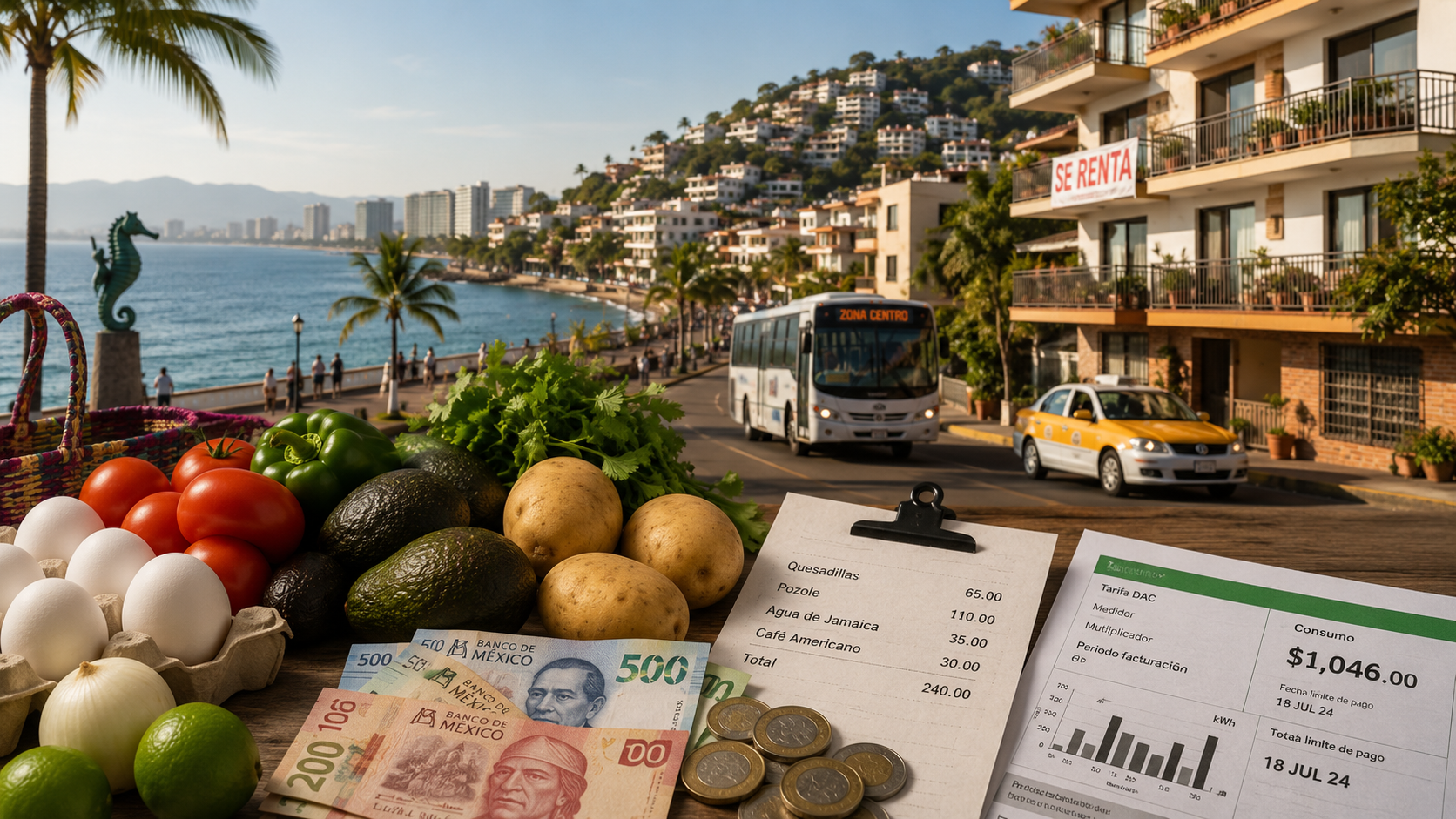
Mexico’s annual inflation rate fell to 3.37 percent in June, down from 4.32 percent a year earlier, but the expenses that feel most persistent in Puerto Vallarta are still moving faster. Service prices were 4.49 percent higher than a year earlier, while food, beverages and tobacco were up 5.08 percent in the latest consumer price report .
The grocery aisle offered some relief. Fruit and vegetable prices dropped 8.99 percent during June. Tomatoes fell 38.98 percent, eggs dropped 7.21 percent, serrano chiles declined 26.88 percent, and poblano chiles fell 40.43 percent. Avocados moved the other way, rising 24.53 percent, while potatoes and other tubers increased 9.32 percent.
The peso adds another layer. Banco de México set the July 9 FIX rate at 17.535 pesos per U.S. dollar. At that rate, US$2,000 converts to roughly 35,070 pesos before bank spreads, ATM charges or transfer fees. A shift of only 50 centavos changes that same conversion by 1,000 pesos, enough to alter a utility payment, grocery run or several local trips.
Groceries cooled while services kept climbing
The June produce declines are national averages, so shoppers should not expect identical reductions at every Vallarta market or supermarket. They still offer a useful check. Tomatoes, eggs and fresh chiles are the items most likely to show visible relief this week. Avocados and potatoes deserve a closer look before going into the basket.
Packaged food remains a different story. The annual increase in food, beverages and tobacco stayed above overall inflation, which helps explain why a cart filled with pantry staples may not feel cheaper even when produce does.
Restaurant prices also edged up 0.36 percent in June. One month does not amount to a broad menu shock, but it continues the pressure on fondas, taquerías, cafés and independent restaurants that buy food, pay electricity and cover rising service costs. Lower tomato or chile prices may help briefly, while rent, payroll and utilities remain harder to trim.
Rent and transport still shape the monthly total
Housing services rose 3.62 percent over the year, and the rent component increased by 0.34 percent in June. Puerto Vallarta can run well above a national pattern when a lease is tied to a high-demand neighborhood, furnished inventory or short-term rental competition.
The useful comparison is the complete monthly cost, rather than rent alone. VallartaDaily’s neighborhood rental guide recommends matching a location to your daily routine. A cheaper home farther inland may add bus, taxi or app-based rides. Higher rent near work, medical appointments, or regular errands can reduce transport spending.
Puerto Vallarta’s regular bus fare has been 11 pesos since April 1. The fare change remains a steadier budget reference than taxis or ride apps, where rain, traffic, pickup location and demand can change the price within minutes.
Electricity can erase a cheaper grocery week
July humidity often moves attention from food prices to the CFE bill. Residents should check the tariff code and kilowatt-hour use printed on each statement. Under CFE’s high-consumption rules , an account under tariff 1C can move into the costly DAC category once its average monthly use exceeds 850 kilowatt-hours.
That threshold is based on average consumption, rather than one unusually high bill. Tracking kilowatt-hours each billing cycle provides a clearer warning than comparing pesos alone, since billing periods, seasonal subsidies, and usage can all vary.
A broader Puerto Vallarta living-cost baseline helps place these weekly movements in context. This week’s numbers show cheaper fresh produce, continued pressure in services, and a strong peso that reduces the spending power of dollar income. Save one receipt, one transport quote and the kilowatt-hour total from the latest bill. Next week’s comparison starts there.