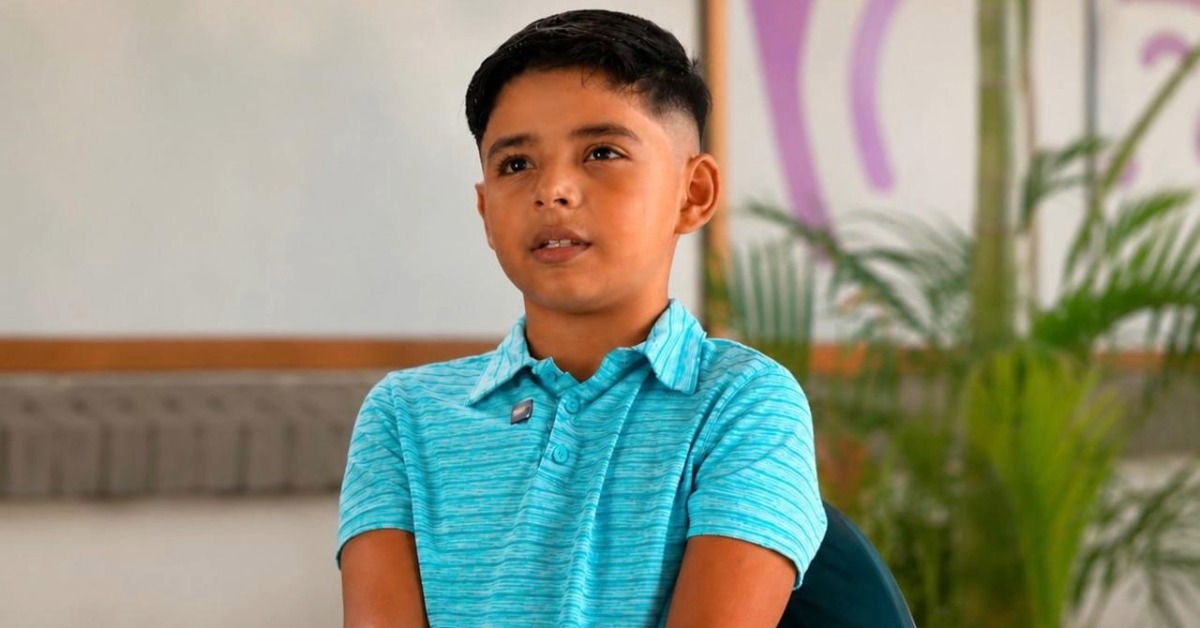
Puerto Vallarta, Jalisco, June 19, 2026 – A Puerto Vallarta student will represent the city in a state-level oratory contest in Guadalajara after receiving municipal and DIF support for travel and related expenses.
The student, identified locally as Mateo, earned a place in the Jalisco competition after advancing through earlier academic stages. Local coverage of the DIF Vallarta support reported that the assistance helped the student and his family travel to the state capital.
The case is small in size but meaningful. For students outside Guadalajara, reaching a state contest often depends on more than talent. Travel costs, timing, and family logistics can decide whether a student actually gets to compete.
A state contest built around public speaking
The Jalisco Education Secretariat launched the 2026 oratory contest “Voces, historia y tradición: expresión de identidad al estilo Jalisco” (Voices, history and tradition: expression of identity in the Jalisco style) for students in fourth, fifth, and sixth grade, as well as all three years of secondary school.
The contest asks students to prepare speeches of three to five minutes, with a clear introduction, development, and closing. The state framed the competition as a way to strengthen oral expression, critical thinking, and historical and cultural identity among young people.
The competition was organized around the 203rd anniversary of Jalisco’s declaration as a free and sovereign state. That gives the contest a civic theme, not just a general public-speaking exercise.
What the trip means for local students
The state process included several filters before students could reach the final level: school, zone, sector leadership, and educational level. That structure makes each municipal representative part of a wider academic ladder, not just a one-day contest.
For Puerto Vallarta families, the final stage also creates a practical barrier. Guadalajara is far enough away that a contest can require transportation, meals, and at least a full day away from work or school.
That is where local assistance becomes more than a ceremonial gesture. DIF Vallarta’s Trabajo Social and Apoyos Asistenciales programs are designed for families facing temporary vulnerability or unequal access to support.
DIF has also highlighted recent cases in which help enabled local children to participate in academic competitions, including a Puerto Vallarta girl who competed nationally in mental arithmetic.
The larger education signal
Mateo’s trip comes during a year when education issues have already been part of Puerto Vallarta’s local conversation, from public school resources to questions about education funding. PVDN recently reported on missing education funds tied to a local CENDI, a separate case that shows how closely families watch whether public support reaches students.
This story comes on the other side of that same public-interest line. It shows a direct, visible use of local support for one student’s academic opportunity.
The state contest also carries financial incentives. Jalisco announced awards for three winners at each level: first place received 35,000 pesos, second place 21,000 pesos, and third place 10,500 pesos.
A local voice on a bigger stage
Public speaking contests can feel old-fashioned beside tablets, apps, and digital classrooms. But for students, oratory still tests skills that matter in real life: memory, confidence, argument, pacing, and the ability to stand in front of adults and be heard.
Mateo’s participation gives one local student a place in a statewide academic event. For other families, it also shows that help with the last mile — the bus, the hotel, the meal, the permission to miss work — can be the difference between qualifying and actually showing up.