Heavy rains ruptured a Pemex pipeline in northern Veracruz, sending crude into the Río Pantepec and pushing a sheen toward Tuxpan. Federal forces and Pemex say the spill is contained, the duct is repaired, and work crews are recovering product and cleaning riverbanks. Local media estimate the release at roughly four million liters, though Pemex has not confirmed a total. What is confirmed is a fast, multi-agency response on the water and in the air, and a cleanup that will take time even after the line resumes operations.
Heavy rains in northern Veracruz ruptured a Pemex pipeline, sending crude into the Río Pantepec, fouling stretches near Álamo and pushing it downstream toward Tuxpan. Federal authorities say the spill is now contained with barriers and skimmers as crews work the river and its banks. Pemex reports the affected duct has been repaired and restarted safely.
Veracruz oil spill
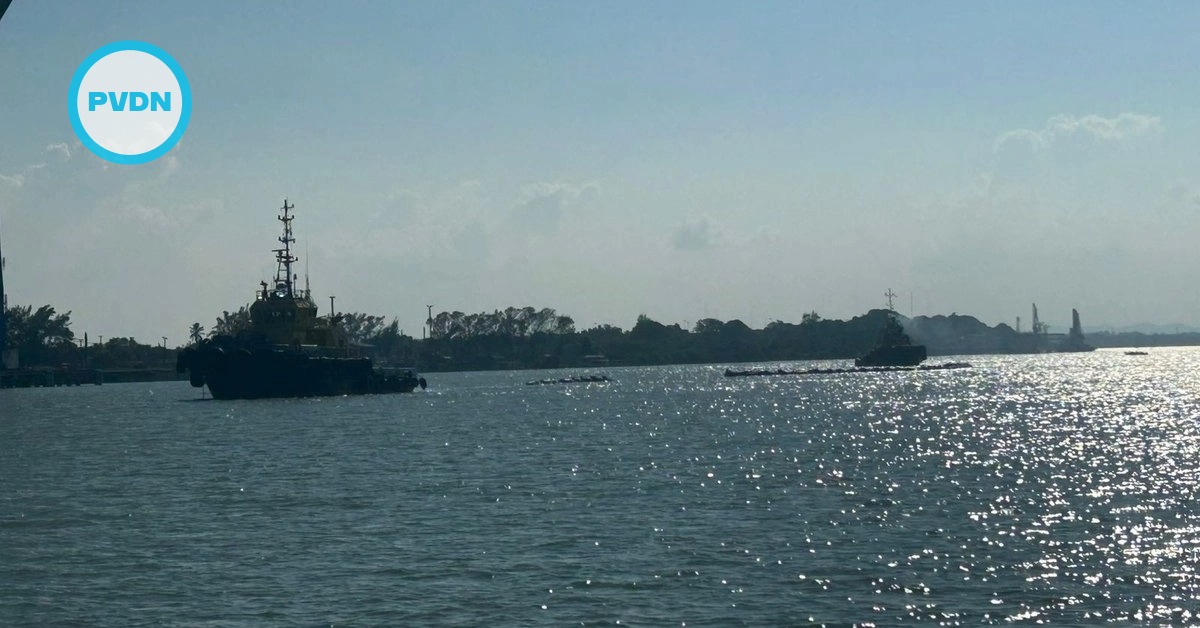
The Navy activated its regional contingency plan and deployed aircraft, boats, drones, and ground units to track and contain the slick along the Pantepec. That action concentrates on Álamo Temapache and Tuxpan, where the river meets the Gulf. The containment posture, according to Navy briefings reported by La Jornada, includes daily overflights and river patrols while crews install and tend barriers in high-risk bends and confluences.
Pemex says the 30-inch Poza Rica–Madero line was damaged by extraordinary rains. The company reports the rupture is fixed and the system is operating again under safety protocols. Recovery teams are working on the water and shorelines, where oil pooled after floods carried it into low-lying areas. The company’s statement frames this as a priority for industrial safety and environmental protection, with a focus on the eight-kilometer impact zone reported after the breach.
One key number in public debate is volume. A local report by Latinus estimates roughly 4 million liters released—about 30,000 barrels—based on field accounts and images gathered after the floods. Pemex has not endorsed a total volume; officials say the count will come from recovery logs and shoreline assessments. Still, the Latinus figure underscores the scale of the response on a river that drains straight into the Gulf.
Cleanup, monitoring, and water safety
On the ground, crews are skimming product from still backwaters, cutting out oiled vegetation, and lifting contaminated debris left behind by the floods. Municipal workers and contractors are shuttling boom and absorbents to key choke points. In Tuxpan, local authorities say they are protecting municipal intakes with barriers and constant sampling as a precaution during the cleanup phase. That step matters: once floodwaters recede, any trapped oil can re-mobilize with new rain, so the Navy and Pemex are pairing river patrols with shoreline checks.
Pemex says operations resumed only after safety checks and pressure tests. The early recovery tally—measured in collected liquids and contaminated solids—will grow as crews work eddies, lagoons, and marshy banks. Hearst outlets publishing AP material reported that the company had recovered more than 180,000 liters as of Tuesday, while keeping the total-spill estimate pending. The broader context is brutal flooding across east-central Mexico and the pressure that it puts on pipelines, access roads, and first responders.
For river communities, the near-term picture is mixed. Containment and the repaired line reduce immediate risk, but cleanup will stretch on. Fishers and riverside residents will watch for oiled banks, smells, and sheen that signal pockets of trapped crude. Authorities say monitoring will continue by air and water while Pemex finances remediation. The state’s environmental files will determine longer-term restoration once responders finish the emergency phase. For now, the message is steady: the spill is contained, the line is fixed, and the river needs work—day after day—until it runs clear again.