A 250-kilo seafood hold in a Puerto Vallarta market may sound like a routine inspection. It is more than that. The case shows how Mexican authorities try to stop illegal catch from moving from boats and trucks into public markets. It also comes during Lent, when seafood draws extra attention in Mexico. What officials found, what the legal origin means, and what could happen next help explain why this small local operation matters beyond a single market aisle.
What happened in Palmar de Aramara
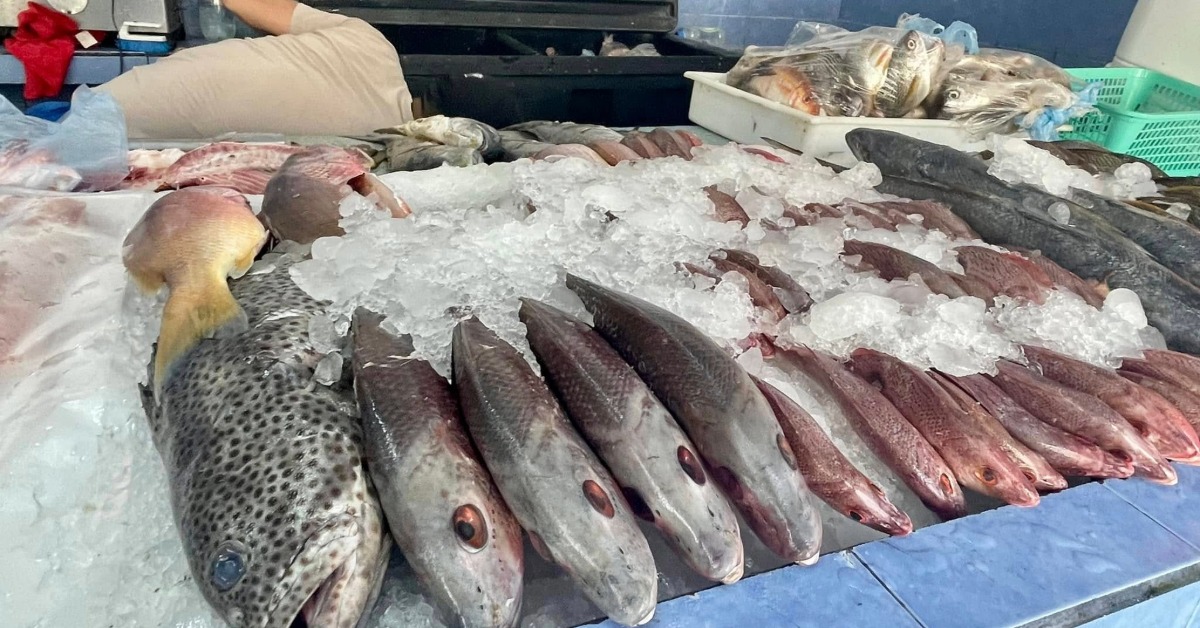
On March 25, Navy personnel and inspectors from CONAPESCA, Mexico’s federal fisheries authority, carried out a land surveillance tour at the Palmar de Aramara market in Puerto Vallarta. During that inspection, they retained 250 kilos of marine product after sellers could not present documents proving its legal origin.
Authorities said the action was part of ongoing efforts to combat illegal, unreported, and unregulated fishing. Inspectors prepared the corresponding inspection and deposit records. The initial report did not identify the species involved, name the sellers, or say whether criminal conduct was alleged. It described the measure as a retención precautoria, which is a provisional hold rather than a final loss of the product.
Why paperwork matters
For many readers, the central question is simple. Why can seafood be held in a market if it is already on display? Under Mexican fishing law, seafood and aquaculture products must be traceable. Their origin can be shown through documents such as landing notices, harvest or production records, import permits, or a guía de pesca, depending on the case.
That requirement matters because enforcement does not stop at the dock. Authorities also check trucks, warehouses, markets, and restaurants. The purpose is to prevent illegally caught products from entering lawful commerce. A fish counter may look ordinary to a shopper, but for inspectors, the real issue is whether the product can be tied to a legal catch, harvest, or import route.
Why this matters in Puerto Vallarta
The timing also matters. The case comes during Lent, when seafood receives more official attention in Mexico, and public agencies focus on supply, commercialization, and consumer confidence. That does not automatically mean the product was poached. It does mean inspections can carry more weight because seafood is moving more visibly through markets and restaurants.
Puerto Vallarta has seen similar enforcement before. In March 2023, authorities reported separate precautionary holds of seafood in the city after transporters could not prove the legal origin. That history suggests the latest operation was not an isolated sweep. It fits a broader pattern of federal inspections aimed at following seafood from capture or harvest to the point of sale.
For international readers, this is the part that often gets missed. Anti-poaching enforcement in Mexico does not only happen offshore. It also happens on land, through traceability checks and document reviews. In a tourism city, that matters more than regulators. Fishers, vendors, restaurants, and consumers all depend on trust in the seafood chain. When authorities question origin, they are also questioning whether legal producers are being protected from unfair competition.
What happens next
A retención precautoria usually opens an administrative review, not an instant conclusion. Sellers or handlers can be asked to prove the product’s origin and whether it moved through the required legal channels. In this case, the product was reported to remain in the inspected party’s custody while authorities review the matter.
What happens after that depends on the paperwork. If the legal origin is proven, the hold can be resolved. If it is not, CONAPESCA’s legal area can determine the product’s status and any administrative consequences. For now, the case is a reminder that in Mexico, seafood is judged by more than freshness, price, or appearance. It is also judged by whether its path to the market can be documented.