Puerto Vallarta has heard big promises on water before, which is why SEAPAL’s new 900 million peso proposal deserves a closer look. The plan goes beyond routine repairs and points to new intake and treatment works linked to the Ameca River. That could matter for neighborhoods that face recurring low pressure and outages, especially in the dry season. But the headline number tells only part of the story. The larger question is whether Vallarta can fund, build, and sustain the project fast enough to make a visible difference.
A bigger proposal than a routine upgrade
SEAPAL Vallarta says it plans to spend more than 900 million pesos on a multi-stage water project meant to reduce Puerto Vallarta’s supply problems. The proposal centers on new intake and treatment infrastructure tied to the Ameca River, an area that already plays a critical role in the city’s water system.
According to the reported outline, the first phase would seek 450 million pesos from the state government. That first stage would focus on a new potabilization plant, which is expected to account for the largest share of early spending. SEAPAL would also put up roughly 100 million pesos for complementary works, including vertical galleries. The larger project is divided into three phases and would also include a derivative on the river’s left bank.
That is an important distinction. This does not sound like another small repair package or a short-term response to a broken line. It reads as an attempt to add or stabilize source capacity in a city where water problems have become a recurring part of daily life for many neighborhoods.
Why the Ameca River matters so much
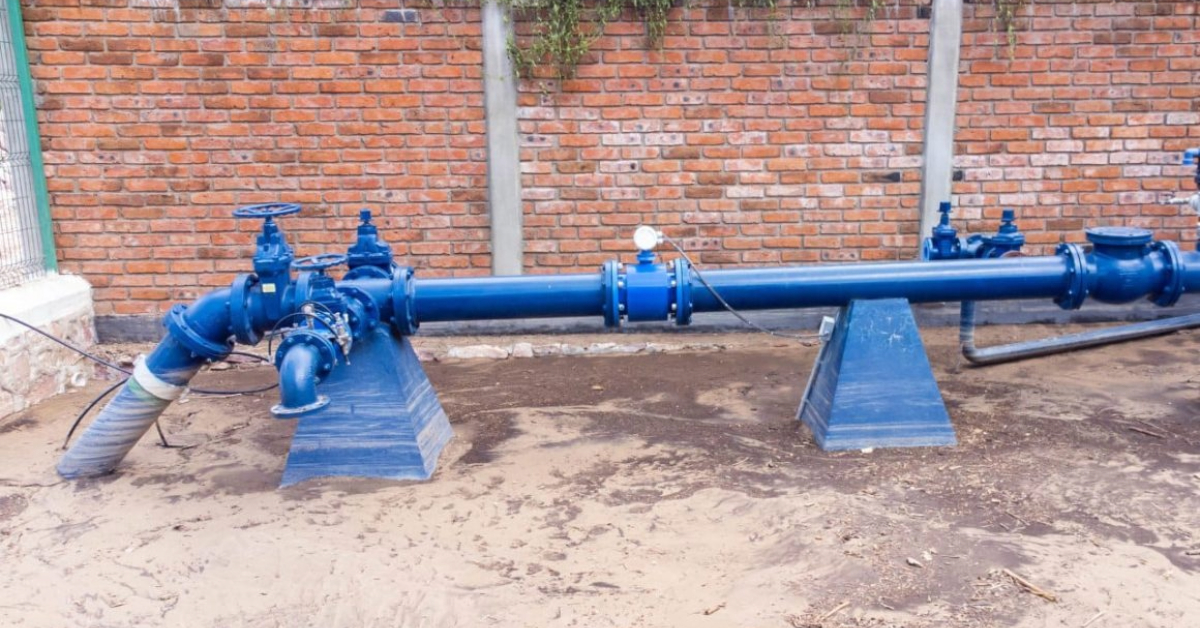
The Ameca basin is already central to how Puerto Vallarta gets water to homes and businesses. SEAPAL has said that wells in that corridor, including the Radial well and wells 37, 38, and 39, help feed the Cerro del Machete potabilization system. That system processes about 450 liters per second for the northern part of the city and the upper area of El Pitillal.
That helps explain why even temporary disruptions in the area can ripple across the city. In January, SEAPAL warned that electrical work in the Ameca River zone would force a temporary halt in key wells that together contribute about 350 liters per second. The warning affected dozens of neighborhoods. The episode showed how sensitive the system can be when a few strategic sources are interrupted.
For readers who are not used to following local utility issues, that is the key background. Vallarta’s water debate is not only about whether the city has water. It is also about where that water comes from, how much pressure the current sources can handle, and how resilient the system is when a well, pump, or power line goes down.
The project comes as the system is already under strain
SEAPAL says it now sends about 109.3 million liters of drinking water a day through 2,969 kilometers of pipe, using 40 supply sources and five potabilization plants. That is a large and complex system for any city to manage. It also means that visible shortages are often the result of pressure across many parts of the network, not a single failure.
The utility has also said that more than 85 percent of the water consumed in Vallarta comes from deep wells. That matters because well-based systems face seasonal pressure, especially during the dry months. SEAPAL said in 2025 that it was operating at full installed capacity and dealing with wear from sustained high demand. It also warned that lower well levels, warmer weather, Easter demand, and delayed rains could further tighten conditions.
Seen in that context, the new 900 million peso proposal looks less like a surprise and more like an admission that the current system is being pushed hard. The city can still function on its existing network, but the margin for error appears thin.
What is still unclear
The project may be ambitious, but it has not yet been fully explained to the public. There is still no detailed timeline for the three phases. There is no full financing map for the entire package. There is also no public technical breakdown yet of how much additional supply the project is expected to deliver once it is built.
Those gaps matter. A big budget figure can make a project sound settled when it is still in an early political stage. In this case, the first test will be whether the Jalisco state government agrees to fund the opening phase. After that, residents will need to see design details, bidding steps, permitting progress, and construction schedules before the proposal can be judged as a real solution rather than a promising outline.
That caution is especially important in Vallarta because the city is dealing with more than one water-related infrastructure problem at once.
This is part of a broader infrastructure backlog
The new potable water proposal should not be confused with another major need identified by SEAPAL Vallarta in late 2024. At that time, the utility said the North II treatment plant and the Centro-Norte collector required more than 1 billion pesos in urgent rehabilitation. That earlier warning focused on wastewater and sanitation infrastructure, not the new Ameca River supply project.
Still, the two stories belong in the same frame. One point to the challenge of securing and processing enough drinking water. The other points to the cost of collecting and treating wastewater in a growing coastal city. Together, they suggest that Vallarta is not dealing with one isolated bottleneck. It is dealing with years of accumulated infrastructure pressure across the full water cycle.
That is why this story matters beyond utility politics. Water reliability shapes household routines, property maintenance, tourism operations, public health, and the long-term livability of the city.
Why residents should pay attention now
For many foreign residents, water infrastructure becomes visible only when taps slow down or service stops. But the real story begins much earlier, at the level of source capacity, pumping reliability, treatment limits, and local authorities’ ability to finance upgrades before stress becomes chronic disruption.
The 900 million peso headline is large enough to matter. It shows that SEAPAL is talking in terms of structural investment, not just emergency fixes. But the number alone does not prove that Vallarta’s water problem is close to solved. What happens next will matter more than the announcement itself.
If the first phase moves forward, residents should watch for concrete signs of progress: state backing, technical documents, procurement steps, and a clearer explanation of how much new supply or stability the project would add. Until then, the proposal is best understood as a serious attempt to address a real problem, but not yet a finished answer.