Federal inspectors sealed a tourism project in Abalá after finding cleared jungle, excavation work, and direct intervention in a cenote. The case is local, but the stakes are wider. In Yucatán, development disputes often turn on groundwater, permits, and the limits of tourism expansion in fragile landscapes. For readers outside Mexico, this shutdown offers a clear example of how environmental enforcement works when a project moves ahead before federal review is complete.
Federal inspectors shut the site in Abalá
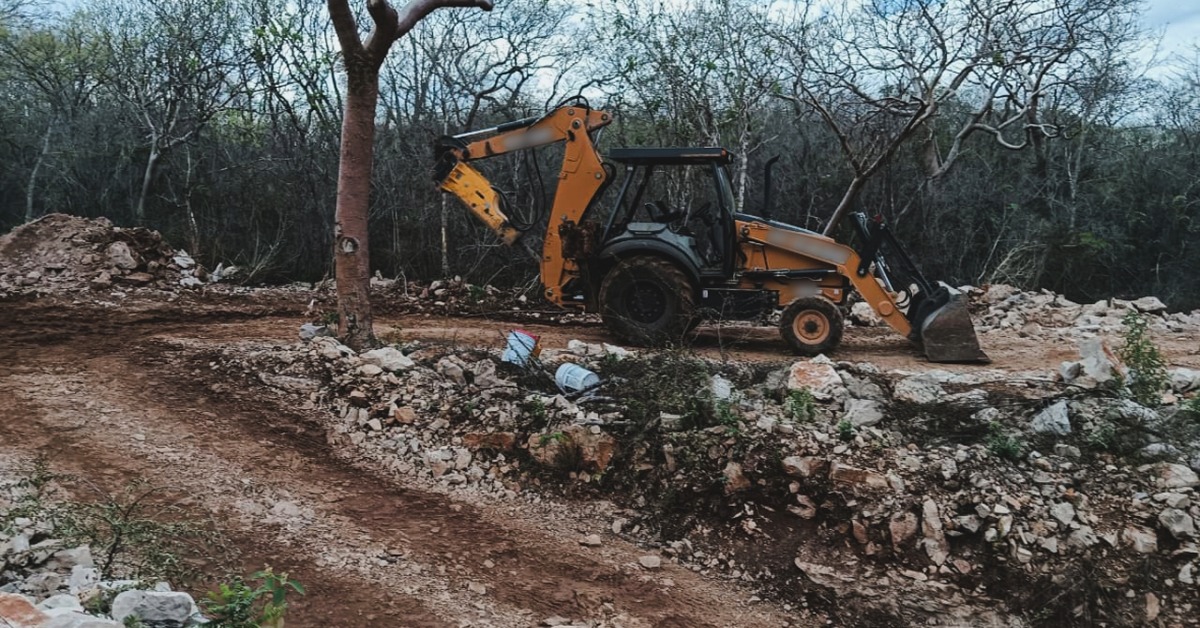
A tourism project in Abalá, Yucatán, was temporarily shut down after federal inspectors found direct impacts on 10,750 square meters of jungle and a cenote. Authorities said the site showed several works already underway, including excavation, a new access road, and intervention in the cenote itself.
Inspectors also reported the removal of native vegetation. The affected area included tree species common in the region’s dry forest. Officials said the project lacked the required environmental authorization from federal authorities, making the site subject to an immediate closure order.
Why the closure matters
For many readers, the key issue is not only the clearing of land. It is that the work appears to have advanced before federal environmental review was completed. In Mexico, projects that can affect ecosystems, water systems, or natural vegetation may require prior review from Semarnat, the federal environment ministry, through an impact authorization process.
That requirement matters because a permit is supposed to come before the heavy work starts. Once roads are opened, earth is moved, and water features are altered, the environmental damage can be harder to reverse. In this case, the shutdown signals that officials believe the project crossed that line.
Why a cenote raises the stakes
A cenote is not just a swimming hole or a tourist attraction. In Yucatán, cenotes are openings into a broad underground water system that supplies communities, supports ecosystems, and shapes daily life across the peninsula. That makes any direct intervention more serious than a normal construction dispute.
The Yucatán Peninsula sits on porous limestone. Water moves through that geology quickly, with less natural filtration than in many other regions. That is why contamination or physical disturbance at the surface can carry wider risks below ground. When inspectors describe work such as cenote perforation and excavation intended to connect water points, it points to more than a land-use violation. It raises questions about groundwater protection.
A tourism story with broader meaning
Abalá is already part of Yucatán’s cenote tourism map, which helps explain why this case matters beyond one property. Across the state, tourism growth has pushed deeper into landscapes marketed for nature, water access, and rural experiences. That can bring in income and visitors, but it also puts pressure on environmentally fragile places.
This case clearly shows the basic tension. Tourism development is still encouraged in much of Yucatán, but not on a build-first, explain-later basis. For foreign residents, retirees, and long-stay visitors, that distinction matters. Cenotes are not separate from local life. They are tied to the same water system, environmental health, and development choices that shape the region’s future.
What readers should watch next
The shutdown does not end the larger issue. The important question now is whether the project can show it had lawful authorization for the work already carried out, or whether the case moves toward sanctions and restoration demands. Either way, the closure already sends a message.
In Yucatán, tourism growth, water protection, and environmental enforcement are increasingly colliding. This case in Abalá is one of the clearest recent examples. It shows how quickly a tourism project can become an environmental story when a cenote and native jungle are disturbed before regulators sign off.
Deep Dive:
Semarnat approves a six-story beachfront development in Yucatán despite environmental risks