Puerto Vallarta and Mexico News

Puerto Vallarta and Mexico News

Semarnat Clears 926-Room Resort North of Playa del Carmen

Playa del Carmen Week in Review: What Residents Need to Know

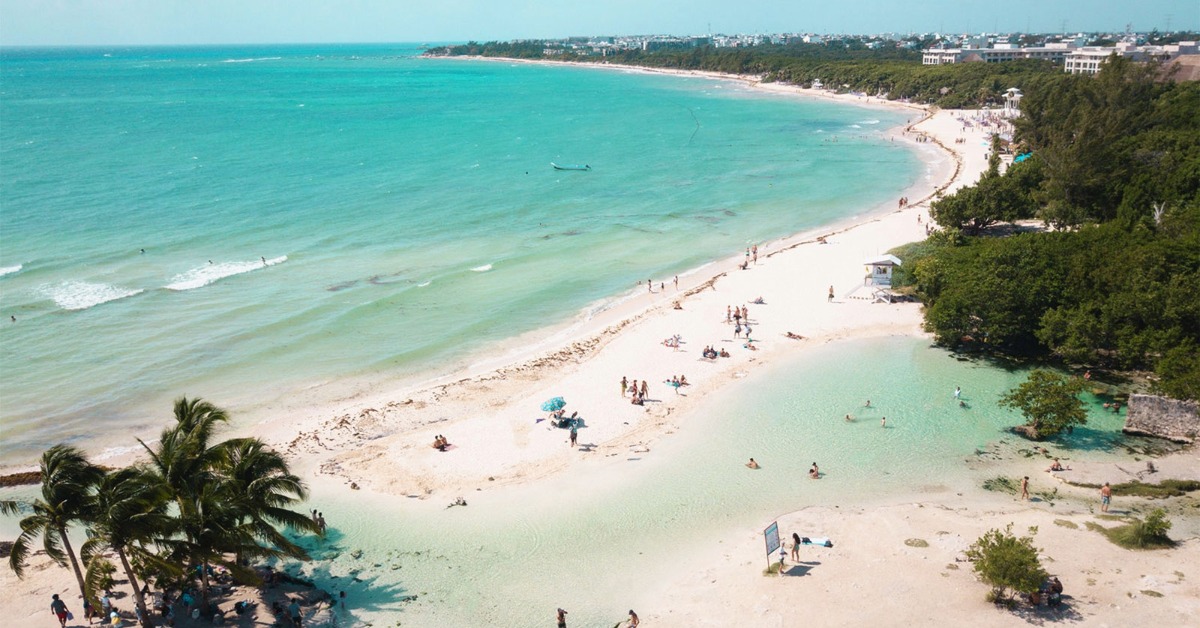
Playa del Carmen’s week from April 19 to 25 brought a mix of government programs, public safety updates, education plans, business enforcement, and neighborhood concerns. It was not one major story, but several smaller ones that show where the city is heading.

For residents, including foreign homeowners and long-term visitors, the week offered signals about tourism policy, street commerce, public services, education, and the pressures of growth.

The city remains one of the busiest urban centers in the Riviera Maya. That means decisions about transportation, permits, public safety, and development can quickly affect daily life. This week, several of those issues moved simultaneously.

Tourism and public safety stayed near the center of the agenda

The week opened with attention on tourist safety and emergency response. Municipal officials presented Playa del Carmen’s response capacity to a German consular delegation, including civil protection services, tourist assistance, and emergency coordination.

The visit matters because Playa del Carmen depends heavily on international visitors. For foreign residents, it also points to the importance of having clear emergency channels in a city with a large non-Mexican population.

The city also promoted a new tourism strategy focused on experiences and higher-value travel segments. That reflects a broader effort to move beyond beach tourism alone. Officials are trying to position Playa del Carmen as a destination with culture, gastronomy, wellness, nature, and events.

That approach could help local businesses, but it also raises the same question the city has faced for years: how to grow tourism without making daily life harder for residents.

Education moved forward with a new CBTIS plan

One of the week’s more practical announcements was the approval and signing of a land donation for a new CBTIS high school in Playa del Carmen. The planned campus would be located near Avenida Constituyentes and Loros.

For a fast-growing city, education capacity is not a small issue. More families living in Playa del Carmen means more demand for public schools, technical training, and youth services.

A new technical high school could also support the local labor market. Playa del Carmen’s economy depends on hospitality, construction, services, maintenance, administration, and small businesses. Technical education can help students enter those fields with stronger skills.

The project is still at the planning stage. The next questions will be funding, construction timing, and how quickly the new campus can open to students.

Street vendor rules could affect up to 1,800 permits

Another issue to watch is the city’s review of street vendor permits. Local reporting said that between 1,500 and 1,800 vendors could be removed from the registry for failing to complete the required regularization process.

This is a sensitive issue in Playa del Carmen. Street commerce is part of the local economy, especially in tourist zones and busy neighborhoods. But it also creates pressure on sidewalks, public space, inspections, and competition with formal businesses.

For residents and visitors, enforcement can change the look and flow of key areas. For vendors, it may affect household income. For established businesses, it could be seen as part of a broader push for order and clearer rules.

The coming week may show whether the city moves from warning to enforcement, and whether affected vendors seek extensions, appeals, or new negotiations.

Local economy programs focused on small business and jobs

The city also pushed several programs aimed at local economic activity. The Mercado Hecho en Playa was launched as a weekend space for local producers at Parque Leona Vicario.

Officials also promoted business brigades that visited areas including Villas del Sol, Colosio, El Petén, La Guadalupana, and Puerto Aventuras. The goal was to connect small businesses with training, promotion, supplier links, and municipal services.

In Puerto Aventuras, a municipal employment fair offered more than 300 vacancies. That matters because many workers in the municipality spend time and money traveling for job opportunities or paperwork.

For foreign residents, these programs may seem local in a narrow sense. But they affect the city’s broader stability. A stronger small-business base can reduce dependence on large tourism employers and help neighborhoods develop their own economic life.

Environment and public space returned to the conversation

Environmental work also appeared during the week. Youth programs tied to Earth Day focused on public-space recovery, murals, and environmental awareness.

Separately, Playa del Carmen continued promoting greener public spaces, including reforestation work along Boulevard Playa del Carmen. These efforts are small compared with the city’s growth pressures, but they show where public messaging is moving.

The larger issue is still the balance between development and environmental protection. Playa del Carmen is expanding in a coastal region already dealing with sargassum, heat, water demand, beach erosion, and pressure on jungle areas.

These topics are not abstract for residents. They affect shade, flooding, beach quality, traffic, construction, tourism, and long-term property values.

Housing and development concerns remained active

Housing complaints also returned to public attention. Residents of the Porto Alto subdivision revived claims of home defects and a lack of response from the developer.

These disputes matter because Playa del Carmen has grown quickly through large housing projects on the inland side of the city. Many families live far from the beach and tourism zones, in developments where infrastructure, transportation, and construction quality can become long-term issues.

The week also brought attention to a proposed water park project at Hard Rock Riviera Maya. The project was described as requiring a land-use change for part of a larger property.

For residents, development stories are worth watching because they often come with secondary effects. These can include more traffic, more workers, new service demands, and environmental review questions.

Public services and social programs reached several groups

The city also promoted identity-document services through the program Tu Identidad Sin Tanto Choro, aimed at helping residents in areas with social lag obtain basic documents.

That may sound administrative, but identity papers are essential for school, work, health services, and many government programs. In communities with rapid migration from other parts of Mexico, documentation gaps can become a real barrier.

The DIF also delivered vehicle placards for people with disabilities. Officials said 67 people benefited in the latest delivery, while 130 placards have been issued so far in 2026.

These programs may not dominate headlines, but they are part of the city’s attempt to keep up with population growth and social demand.

Crime, transport and emergency incidents kept residents alert

The week also included several public-safety and incident reports. A fire in the Industrial neighborhood brought firefighters and police to secure the area. Another report involved a small fire at a restaurant.

Transportation-related concerns also surfaced. Two separate reports involved taxi drivers: one accused in an assault after a store-closing dispute, and another detained while allegedly trying to sell a stolen tablet linked to passengers’ luggage.

These cases should not be treated as proof of a broader trend on their own. But they do show why transport conduct, customer safety, and enforcement remain recurring issues in Playa del Carmen.

In a tourist-heavy city, trust in transportation is part of the local economy. It affects visitors, workers, and residents who depend on taxis when public transit is limited.

What to watch next week

The next week should bring more clarity on vendor permit enforcement, especially if the city begins removing vendors from the active registry. Business owners and residents near high-traffic areas may see changes first.

The May 1 Labor Day holiday and related civic activity could also affect traffic and public services. Residents should watch for route changes, closures, or schedule adjustments if local events are announced.

Education will remain another issue to follow. The CBTIS land donation is only one step. Families will now be looking for details on construction, capacity, and opening timelines.

Tourism will remain active as Playa del Carmen continues to prepare for larger 2026 events, including regional promotion tied to the World Cup and cultural projects such as the Ya’axché corridor.

For now, the week’s main message is that Playa del Carmen is managing growth on several fronts at once. Tourism remains the economic engine, but the city’s next stage will depend on schools, permits, safety, housing, transport, and neighborhood services catching up with that growth.

Related Posts

Lake Chapala and Ajijic Week in Review: What Residents Need to Know

Ajijic and Lake Chapala saw movement on cable work, transit, tourism, lake levels, sports, health...
Cancun beach restoration

Cancún Week in Review: What Residents Need to Know

Cancún’s week brought anniversary events, bridge updates, planning debates, health investments, sargassum prep and public...

Mérida Week in Review: What Residents Need to Know

Mérida’s week brought heat warnings, tourism plans, public projects, safety data, and coming events from...
San Miguel de Allende weighs Casa Europa hub proposal

San Miguel de Allende Week in Review: What Residents Need to Know

San Miguel de Allende saw roadwork concerns, water cleanup efforts, tourism events, heat and a...