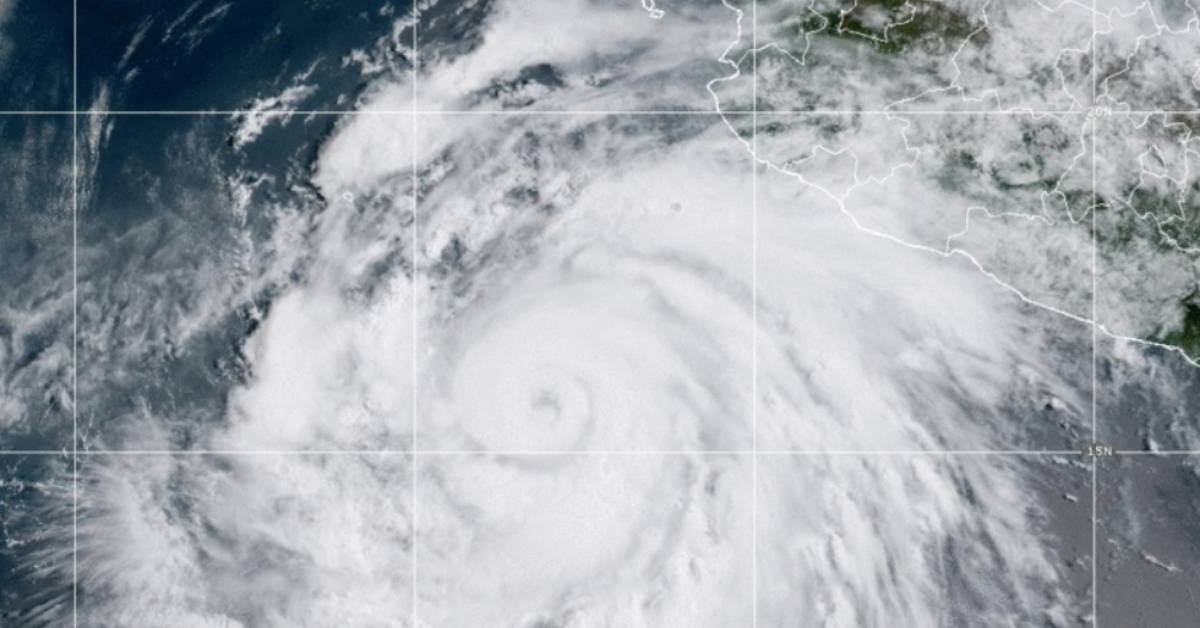
Puerto Vallarta is heading into the 2026 Pacific cyclone season with an active forecast, a familiar coastal risk, and a clear reminder that preparation starts before the first storm forms.
The official season in the eastern Pacific runs from May 15 through November 30. That includes the waters off Mexico’s Pacific coast, where storms can develop, strengthen, curve offshore, or move close enough to affect Jalisco with rain, wind, waves, and dangerous surf.
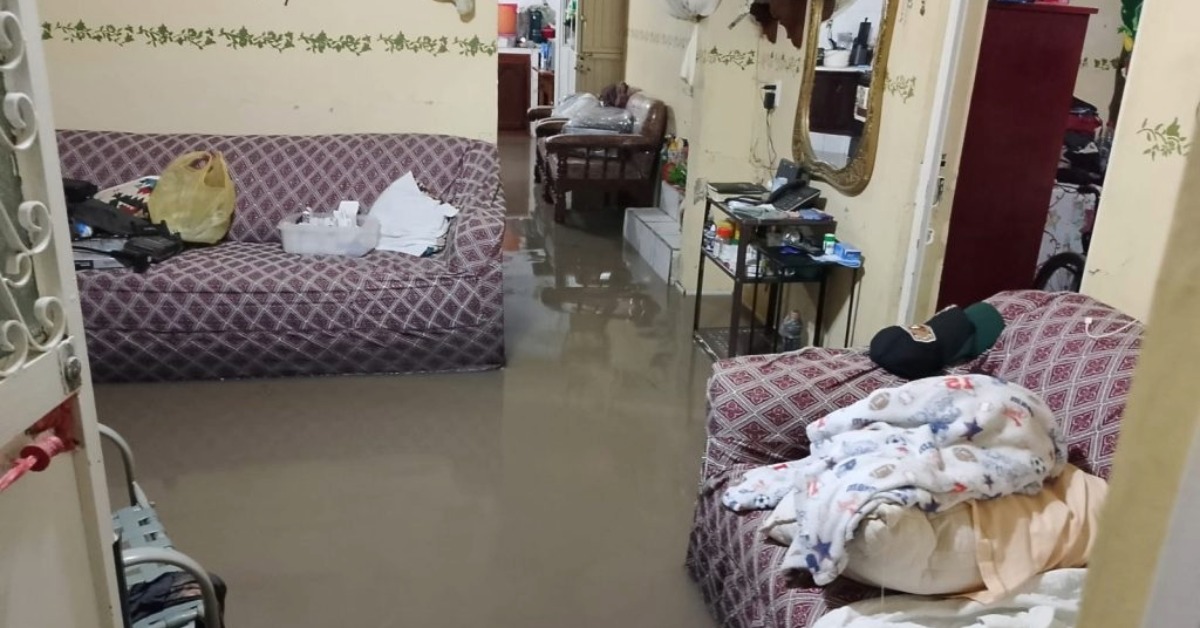
For Puerto Vallarta, the concern is not only whether a hurricane makes landfall. The city’s biggest storm problems often come from heavy rain, swollen rivers, street flooding, landslides, high tides, rough seas, and temporary closures of beaches or navigation.
Mexico’s weather outlook for 2026 calls for 18 to 21 named systems in the Pacific. Of those, 9 to 10 are expected to become tropical storms, 5 to 6 could become Category 1 or 2 hurricanes, and 4 to 5 could reach major hurricane strength.
That does not mean Puerto Vallarta will be hit by every storm, or even by one. Seasonal forecasts describe overall activity across a large ocean basin. They do not predict exact landfalls months in advance.
Still, the numbers matter. A more active season increases the likelihood that residents, businesses, and visitors will experience at least some storm-related impacts. In Puerto Vallarta, even a storm passing offshore can affect daily life.
What the 2026 Pacific forecast says
The early outlook points to a Pacific season above the long-term average. The main number to watch is the forecast of 18 to 21 named tropical cyclones in the Pacific.
A named system begins at tropical storm strength. That means the system has organized circulation and sustained winds strong enough to be classified as more than a tropical depression.
Some storms remain far from land. Others track parallel to the coast. A smaller number of moves brings rain, dangerous surf, or stronger local effects.
For 2026, forecasters expect roughly half of the named Pacific systems to remain tropical storms. Several are expected to become hurricanes, and a smaller group could become major hurricanes.
A major hurricane means Category 3 or higher on the Saffir-Simpson scale. That classification is based on sustained wind speed. It does not measure rainfall, flooding, or storm surge.
That distinction is important for Puerto Vallarta. A lower-category system can still create serious local problems if it moves slowly, drops heavy rain, or pushes high waves into the bay.
The forecast also points to the development of El Niño conditions as a factor to watch. El Niño can influence ocean temperatures, wind patterns, and storm behavior. Its impact is not simple, and it does not guarantee a direct hit on Jalisco.
The safer takeaway is practical. A busy basin means more chances for storms to form. Puerto Vallarta residents should use May as preparation time, not as a deadline to begin paying attention.
Puerto Vallarta’s storm risk is not only wind
Many people think of hurricanes as a wind event. That is understandable. Hurricane categories are based on wind, and the strongest storms often make headlines because of their wind speed.
In Puerto Vallarta, however, the most common storm danger is often water.
The city sits between the Pacific, Banderas Bay, river channels, and steep terrain. Rainfall from tropical systems can run down from the mountains and collect quickly in low areas. Streets can flood before a storm center gets anywhere near the city.

The Cuale River, the Ameca River area, arroyos, drainage channels, and low-lying colonias all become more important during the rainy season. So do bridges, underpasses, hillside roads, and routes that connect coastal communities.
Strong surf is another concern. Storms can produce large waves and rip currents even when they stay offshore. That can lead to red flags on beaches, restrictions on small boats, and closures for tours or fishing trips.
Cruise operations, marina activity, water taxis, beach restaurants, and coastal vendors may also be affected by rough sea conditions. For tourists, that can mean canceled activities. For local workers, it can mean lost income.
This is why Puerto Vallarta’s storm preparation cannot be reduced to one question: “Will a hurricane hit?” The better question is whether the city is ready for rain, runoff, surf, and short-notice disruptions.
Why Banderas Bay changes the local picture
Puerto Vallarta benefits from its geography in some ways. Banderas Bay and the Sierra Madre can shape how storms affect the city. The mountains can weaken some systems once they move inland, while the bay can reduce direct ocean exposure in some areas.
But that protection has limits. The same mountains that help shield the coast can also amplify rainfall. When moist tropical air rises over steep terrain, rain can become heavier.
That rain does not stay in the hills. It moves downhill through rivers, streams, gullies, and streets. In a city with rapid growth, paved surfaces, and dense neighborhoods, runoff can build quickly.
The bay also does not remove the risk of waves or coastal flooding. High surf, storm-driven water levels, and unusually high tides can affect the Malecón, beach zones, and low coastal roads.
For visitors, this can be confusing. A storm may look far away on a map, yet beaches may still be unsafe. Boats may be restricted even under partly cloudy skies. A hotel zone may look calm while inland roads flood.
Local warnings are therefore more useful than guesswork. During the season, residents should follow official weather updates, beach flags, port status notices, and municipal guidance.

A reminder from recent seasons
Puerto Vallarta does not need a direct major hurricane landfall to experience damage.
Recent years have shown how rain and waves can affect the city. Storm systems have brought flooding, damaged homes and businesses, forced temporary shelter operations, closed navigation, and raised warnings along the coast.
In 2025, storm-related flooding affected hundreds of homes and businesses in Puerto Vallarta. Navigation restrictions and beach warnings were also used when tropical systems approached or passed near the region.
Older storms remain part of the local memory. Hurricane Patricia in 2015 became one of the strongest storms ever observed in the eastern Pacific before weakening and making landfall south of Puerto Vallarta. Hurricane Nora in 2021 brought serious flooding and damage in Jalisco, including impacts around Puerto Vallarta.
These examples do not mean 2026 will repeat those events. Every season is different. Every storm has its own track, speed, structure, and rainfall pattern.
They do show one lesson clearly. Puerto Vallarta’s storm risk is real even when the city avoids the worst-case scenario.
A storm does not need to be the strongest on record to disrupt power, damage roads, flood ground-floor homes, close beaches, or affect travel plans.
What residents should prepare before storms form
The best time to prepare is before a storm appears on the forecast map. Once a system is moving toward the coast, stores get crowded, roads become busier, and reliable supplies can disappear quickly.
For Puerto Vallarta residents, preparation starts at home. People should know whether their property is in a low-lying area, near a river, close to an arroyo, or on a hillside with drainage problems.
Homes and condos should be checked for roof leaks, loose outdoor items, clogged drains, and weak windows. Balconies should be cleared before high winds arrive. Rooftop objects can become hazards.
People living on ground floors should think carefully about where they store documents, electronics, medication, and pet supplies. Floodwater does not need to be deep to damage property.
A basic emergency supply should include drinking water, shelf-stable food, flashlights, batteries, phone power banks, essential medications, pet food, first-aid supplies, and copies of important documents.
Foreign residents should also keep immigration documents, insurance papers, bank information, and emergency contacts in a waterproof folder. A digital backup is useful, but it should not be the only copy.
It is also wise to keep some cash available. Power outages and internet failures can make card payments difficult, especially after a major storm.
What visitors and seasonal residents should know
Puerto Vallarta receives tourists year-round, including during the rainy and cyclone season. Most visits are not interrupted by hurricanes, but travelers should understand the season before making plans.
Travel insurance is worth considering, especially for trips between August and October. Those months are often more active in the eastern Pacific. Policies vary, so travelers should read the details before buying.
Visitors should also avoid relying only on weather icons from a phone app. A simple thunderstorm symbol does not explain surf danger, flood risk, or official restrictions.
Hotels and rental hosts should be able to explain their storm procedures. Guests should ask where to go during severe weather, how alerts are shared, and what happens if roads or flights are disrupted.
People staying in hillside rentals should pay attention to access roads. A beautiful view can also mean steeper streets and more runoff during heavy rain.
Visitors should never enter the ocean during red-flag conditions. This applies even to strong swimmers. Rip currents and storm surf can become dangerous before the weather looks severe on land.
Tour cancellations should also be taken seriously. If a boat operator, port authority, or Civil Protection office restricts activity, the decision is usually tied to safety conditions that may not be obvious from shore.
Why official alerts matter more than social media rumors
Storm season brings a flood of information. Some of it is useful. Some of it is outdated, exaggerated, or wrong.
In Puerto Vallarta, official sources matter because conditions can change quickly by neighborhood and along the coastline. A national forecast may explain the storm. A local warning explains what people should do where they are.
Jalisco has been promoting Jalisco Alerta, an official early-warning app tied to the state Civil Protection. The app is designed to send alerts based on location and risk level. It can also provide daily forecasts and official prevention information.
That does not replace common sense, but it helps reduce confusion. A resident in Puerto Vallarta does not need every warning for the entire state. They need timely information for their area.
Mariners, tour operators, and anyone planning boat travel should also check port status. Mexico’s maritime authorities maintain information on port openings and closures through official channels.
During storms, the most reliable approach is simple. Follow official weather bulletins, municipal Civil Protection updates, beach flag guidance, and port instructions. Treat viral posts with caution unless they match verified information.
This is especially important for foreign residents who may not follow Spanish-language government accounts every day. Translation tools can help, but official sources should still be the starting point.
The tourism economy also has a stake
Cyclone season is not only a public safety issue. In Puerto Vallarta, it is also an economic issue.
The city depends heavily on tourism, restaurants, tours, beach activity, transportation, hotels, and short-term rentals. Storms can interrupt all of those sectors, even without major structural damage.
A few days of rough seas can affect fishing, diving, snorkeling, water taxis, beach vendors, and boat tours. Heavy rain can reduce restaurant traffic. Flooded streets can delay workers and supplies.
For small businesses, preparation is often the difference between a short interruption and a longer recovery. Owners should know how to protect equipment, secure outdoor furniture, preserve records, and contact employees.
Restaurants and shops in flood-prone areas should think about where to move inventory when a storm is forecast. Even shallow water can ruin stock, furniture, refrigeration systems, and electrical equipment.
Property managers also need clear communication plans. Many foreign owners are not in Puerto Vallarta full-time. They may depend on local managers to secure units, update guests, and check damage after a storm.
A city that prepares well can recover faster. That matters to residents, workers, visitors, and the broader local economy.
The season starts in May, but the risk changes over time
The Pacific season officially starts May 15, but not every month carries the same level of risk for Puerto Vallarta.
Early-season storms often form farther south. Some remain offshore or affect southern Mexico. As the season develops, steering patterns and ocean conditions can bring more systems closer to Mexico’s central and northern Pacific coast.
For Jalisco and Nayarit, late summer and autumn often deserve close attention. September and October can be especially important months, though storms can form before or after that period.
This timing matters for planning. Residents should not wait until September to prepare. But they should also not relax after the first few quiet weeks of the season.
A slow start does not mean a safe season. A busy start does not mean Puerto Vallarta will take a direct hit. The real task is steady monitoring from May through November.
Preparedness should become routine. Check supplies at the start of the season. Review them again in mid-summer. Pay closer attention when the forecast shows a disturbance south or southwest of Mexico.
What a practical Puerto Vallarta storm plan looks like
A useful storm plan does not need to be complicated. It needs to be realistic.
Every household should know where to get official information, where to go if evacuation is advised, and how to communicate if cell service becomes weak. Families should decide in advance who checks on older relatives, neighbors, or pets.
People who live near rivers or low areas should know the safest route out of their neighborhood. That route should avoid underpasses, fast-moving water, and roads known to flood.
Drivers should avoid crossing flooded streets. Water can be deeper or faster than it looks. It can also hide open manholes, damaged pavement, or strong currents.
Pet owners should prepare carriers, leashes, food, medication, and vaccination records. Shelters and emergency accommodations may have rules, and planning ahead reduces stress.
Condo boards and homeowner associations should also review pumps, generators, roof drains, elevators, and emergency lighting. A building’s storm plan should not exist only in a file.
For foreigners who are still learning local systems, it helps to know basic Spanish storm terms. Words like huracán, tormenta tropical, inundación, deslave, oleaje, alerta, refugio and evacuación may appear in official updates.
Understanding those terms can save time when conditions change.
A calm season is possible, but preparation is still the right move
Seasonal forecasts are not destiny. Puerto Vallarta could pass through 2026 with limited storm impacts. Many storms may stay offshore or weaken before affecting Jalisco.
But preparation is not wasted if the season is quiet. Emergency supplies also help during power outages, water interruptions, landslides, road closures, and strong local storms.
The goal is not fear. It is readiness.
Puerto Vallarta has lived through enough rainy seasons to know that the risk is manageable when people pay attention early. The city’s coastal setting is part of its appeal, but it also requires respect for weather and water.
The 2026 Pacific forecast gives residents a reason to prepare now. It also gives businesses, property owners, and visitors time to make practical decisions before the first named storm enters the map.
For a city built around the bay, the mountains, and the ocean, cyclone season is part of the yearly rhythm. The safest approach is to treat it that way: plan early, follow official guidance, and take every storm seriously, even when it does not become a headline hurricane.