The animals removed from Animalandia Maya are no longer on Playa del Carmen’s Fifth Avenue, but their case is still unfolding. Six large cats are under veterinary supervision at Aktun Chen Park, while 10 primates remain in specialized care at an authorized wildlife management site. Authorities say the animals are in quarantine as legal and rehabilitation processes move forward, raising new questions about animal-photo businesses, wildlife oversight, and tourist-facing attractions in the Riviera Maya.
Animalandia animals remain under care after Playa del Carmen raid
Six large cats and 10 primates rescued from Animalandia Maya remain under specialized care in Quintana Roo as authorities continue the legal and rehabilitation process tied to the case.
The animals were removed from a business that operated on Fifth Avenue in Playa del Carmen, one of the city’s busiest tourist corridors. The site had offered photo interactions with exotic animals, a practice that had drawn complaints from residents, visitors, and animal-welfare advocates.
State officials said the six felines are being held at Aktun Chen Park in Akumal. The animals remain in quarantine, with controlled feeding, veterinary monitoring, and medical treatment while their legal status is resolved.
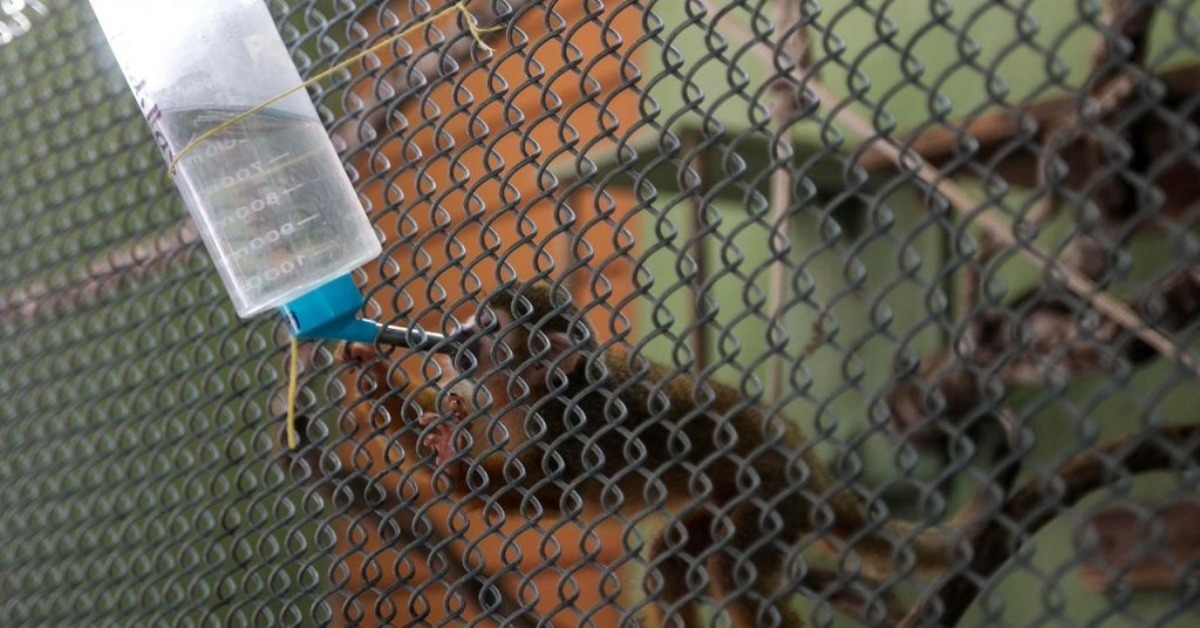
A separate group of 10 primates and related rescued wildlife remains under care at an authorized Unidad de Manejo Ambiental, or UMA. Officials said that the group includes spider monkeys, capuchins, squirrel monkeys, a tamarin, and martuchas. They are also in quarantine and being evaluated by specialists.
The case has drawn attention because it connects several issues that matter in tourist areas: wildlife handling, commercial animal encounters, enforcement of animal-cruelty laws, and the responsibility of businesses that market these experiences to visitors.
What authorities say happened at Animalandia Maya
The case began with an operation at Animalandia Maya, where authorities reported finding 16 animals in conditions they described as inadequate.
The animals included large cats and primates that were allegedly being used in photo sessions with customers. Authorities said the business operated in a high-traffic commercial area, where visitors could pose with animals for pictures.
During the inspection, officials reported cages that were too small for the animals’ size. They also cited trash buildup and a lack of specialized technical staff for the handling of wildlife. Investigators also reported the use of products unsuitable for animal feeding, including human-consumption milk.
Five people were detained after the raid, including the reported owner of the business. Authorities said the case is being handled under allegations tied to animal cruelty or mistreatment, while the rescued animals remain in temporary care.
The animals were divided between specialized facilities after the operation. The felines went to Aktun Chen Park, while the primates and other rescued wildlife were placed at the Monkey Sanctuary under an authorized management framework.
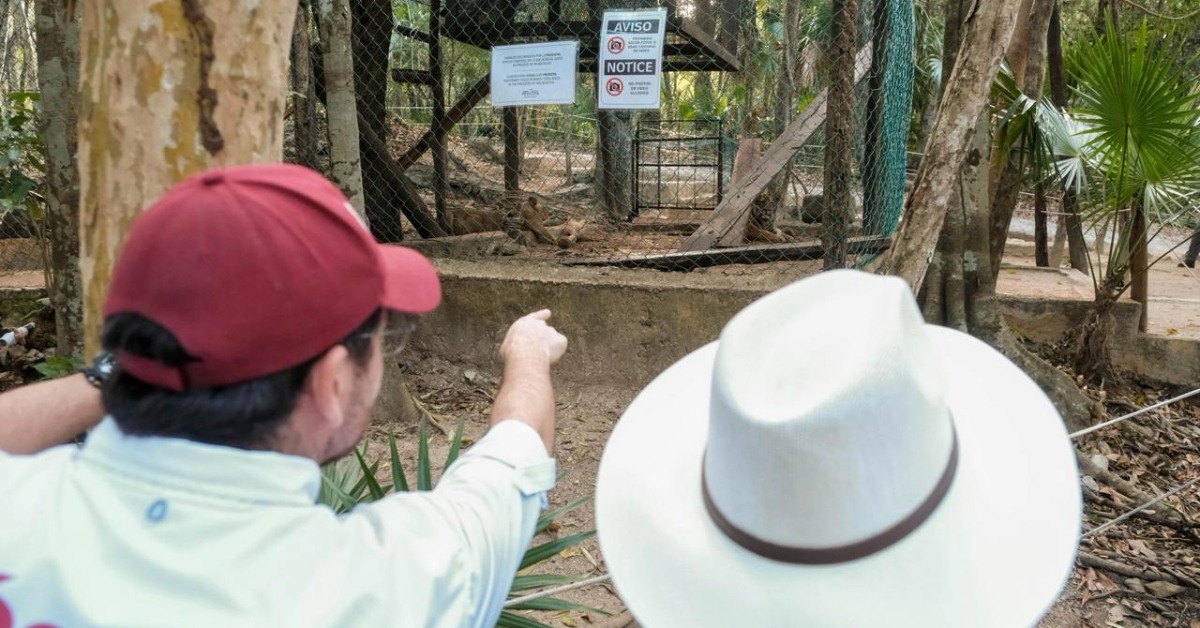
The health check on the six large cats
The six large cats are now under veterinary observation at Aktun Chen Park. State officials said the animals are being fed under controlled conditions and monitored by specialists while their recovery is evaluated.
Officials said the felines were decomposed by federal environmental authorities and moved to the site as a temporary measure. According to state officials, the location is authorized to handle wildlife by federal environmental authorities.
The care plan includes medical attention, supervised feeding, and ongoing checks. Some of the youngest animals showed signs of malnutrition when rescued, according to authorities. Those animals are now receiving treatment and a diet designed to support recovery.
The goal at this stage is not public exhibition. It is stabilization. Rescued wildlife cases often require a quarantine period before authorities can decide what comes next. That process helps specialists check for disease, stress-related problems, malnutrition, injury, or behavioral damage.
For animals that have been handled by humans or used in commercial settings, rehabilitation can be complicated. Large cats raised or exposed to people may not be able to return to the wild. Authorities must weigh health, safety, legal custody, and long-term welfare before choosing a final destination.
The primates remain in specialized care
The 10 animals described by state officials as primates remain in a restricted area inside the Monkey Sanctuary. Officials said the group is being cared for at an authorized UMA while the legal process continues.
A UMA is a registered wildlife management unit in Mexico. These spaces operate under an approved management plan and can be used for conservation, rescue, rehabilitation, education, or regulated wildlife handling.
In this case, officials said the animals are in quarantine and under specialized medical evaluation. That step is important because primates can experience stress, malnutrition, injuries, and behavioral changes after captivity or improper handling.
State officials said the rehabilitation protocol has three main stages. First comes the rescue and securing of the animals. Then comes quarantine and health evaluation. The final stage is relocation to an appropriate space, depending on the animals’ condition and the legal outcome.
That final step may take time. Authorities must determine whether each animal can be moved, where it can legally be placed, and what type of long-term care is best suited for its species and condition.
Why this case stands out in a tourist area
Animal photo businesses are not new in beach destinations. They often appear in areas with heavy foot traffic, where tourists are looking for quick vacation memories. The problem is that many visitors do not know what happens behind the photo.
Young wild animals may look calm or easy to handle, but that does not mean they are safe, healthy, or being kept under proper conditions. For big cats and primates, close contact with tourists can also create risks for both people and animals.
The Animalandia Maya case is especially notable because it occurred on Fifth Avenue, a central tourist strip in Playa del Carmen. That location placed the business in front of thousands of visitors and residents.
It also shows how enforcement can take years to reach a breaking point. Local reporting and earlier complaints had already raised questions about the business. Animal-welfare groups and residents had pushed for action before the raid.
For foreign residents and visitors, the case is a reminder that not every animal encounter promoted in a tourist zone is ethical or properly managed. The safest choice is to avoid attractions that offer direct contact, paid photos, or handling of wild animals.
What happens next for the rescued animals
The next steps depend on the animals’ health and the legal process. For now, officials say the rescued animals remain in temporary care while specialists continue evaluations.
The felines are receiving veterinary attention at Aktun Chen Park. The primates and related rescued wildlife are being held at the Monkey Sanctuary under an authorized UMA. Both groups are in quarantine.
Authorities have said the animals could later be moved to other appropriate spaces. That decision will depend on medical findings, permits, species-specific needs, and the outcome of the case.
The legal side may also take time. Prosecutors must determine the role of the detained individuals and whether charges will move forward. Environmental authorities must also determine the proper custody and final placement of the animals.
For now, the public part of the case has shifted from the raid itself to the animals’ condition. The immediate question is whether they can recover from the conditions reported at the business.
A wider test for wildlife enforcement in Quintana Roo
Quintana Roo’s economy depends heavily on tourism. That makes wildlife enforcement more complicated when animals are used in attractions aimed at visitors.
The state has promoted a stronger stance against animal mistreatment and wildlife trafficking. Officials have also urged citizens to report suspected abuse or illegal handling of animals.
The Animalandia Maya case will test how far that stance goes beyond a single raid. Long-term follow-through matters. That includes the legal case, the animals’ final placement, and future oversight of businesses that use animals in tourist areas.
For Playa del Carmen, the case also raises a broader question about what kind of tourism the city wants to allow on its most visible streets. Wildlife photo businesses may attract quick sales, but they also carry legal, ethical, and reputational risks.
The rescued animals are now away from the public sidewalk and under specialist care. The larger issue is whether enforcement prevents similar cases from reopening under a different name, under a different permit, or under a different tourist pitch.