Residents and visitors to the Mexican Caribbean often anticipate the arrival of warm weather, but seasonal changes also bring an unwanted guest to the coast. A brown macroalgae known as Sargassum is returning to local shores. Environmental authorities in Quintana Roo are stepping up their response to this recurring natural phenomenon. Crews are preparing to install hundreds of meters of specialized ocean barriers just off the coast. The move aims to intercept the seaweed before it reaches the sand. Will this extensive floating net be enough to protect the coastline this season?
Preparing the Coastline
Environmental officials in Quintana Roo plan to install 400 meters of anti-sargassum barriers near Cancun beaches. These floating nets will intercept seaweed before it reaches the shoreline. The state government is organizing the deployment as part of a broader seasonal response. Crews will anchor these mesh structures to the ocean floor. The top section floats on the surface, catching the approaching algae. Specially equipped boats can then collect the trapped biomass directly from the water. This prevents the organic material from piling up on the sand and decomposing. Clearing seaweed from the water is much easier than removing it from the beach. State authorities aim to keep the popular tourist zones completely clear. The deployment schedule depends heavily on local weather conditions and shifting ocean currents. Initial installation will focus on the most vulnerable coastal sections. Protecting these stretches of sand remains a high priority for local planners.
- Cancún plans public party for Nichupté Bridge debut
 Cancún will mark the Nichupté Bridge opening on May 3 as officials prepare a public event for the long-delayed Hotel Zone link.
 - Cancún Week in Review: What Residents Need to Know
 Cancún’s week brought anniversary events, bridge updates, planning debates, health investments, sargassum prep and public safety concerns.
 - Cancún Gets Early Warning on 2026 Hurricane Season
 Conagua expects 11 to 15 Atlantic systems in 2026, prompting Quintana Roo officials to urge early hurricane-season preparation.
Understanding the Algae
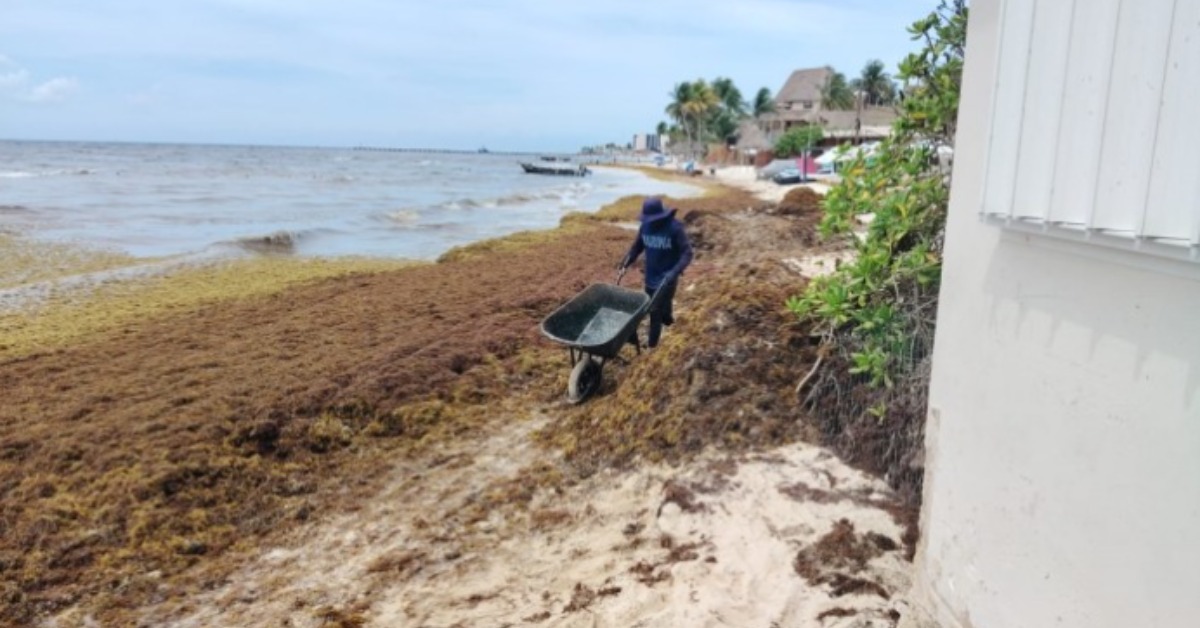
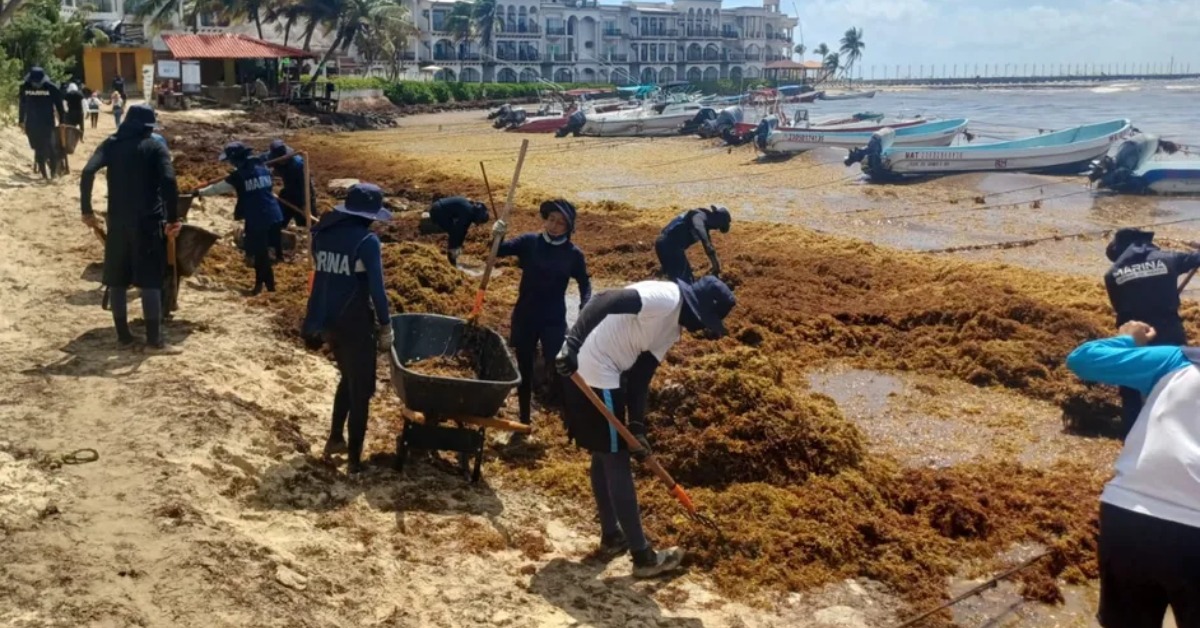
Expats and frequent visitors to the Mexican Caribbean are likely familiar with sargassum seaweed. This brown macroalgae floats in massive, island-like formations across the Atlantic Ocean. The seaweed provides a vital habitat for marine life in the open sea. Ocean currents eventually push these thick mats toward the eastern coastlines of North America. The algae washes ashore and quickly begins to rot under the hot tropical sun. Decaying sargassum releases noxious hydrogen sulfide gas into the surrounding air. This gas smells strongly like rotten eggs and irritates the human respiratory system. Coastal communities face significant logistical challenges when large amounts of seaweed arrive at once. Heavy machinery is often required to haul away the heavy, rotting vegetation. The new offshore barriers aim to minimize these disruptive onshore impacts. Keeping the shoreline clean improves the daily lives of permanent residents.
Shifting to Offshore Management
The annual arrival of sargassum varies greatly from year to year. Ocean temperatures and agricultural nutrient runoff in the Atlantic influence algae growth. Prevailing winds and ocean tides determine exactly where the masses will make landfall. Some beaches remain completely clear while nearby areas are heavily inundated. The installation of these barriers represents a major shift toward offshore management. Coastal municipalities previously relied mostly on slow manual labor and heavy tractors. Heavy tractors can damage the natural beach profile and contribute to rapid coastal erosion. Intercepting the seaweed at sea protects the delicate shoreline ecosystem from this damage. This method also preserves the overall aesthetic appeal of the coastal region. A consistently clean coast is important for the local economy and real estate property values. Many coastal residents rely on the steady flow of seasonal visitors. Preserving the beaches helps maintain a stable community environment.
Maintaining the Defense System
Maintaining the offshore barriers requires constant physical work and logistical coordination. Specially designed collection vessels must empty the ocean nets on a regular schedule. If the floating nets become too full, the seaweed will simply wash over the top. Strong tropical storms can also severely damage the underwater barrier infrastructure. Marine authorities monitor advanced satellite imagery to predict incoming algal blooms. This early warning system helps coastal crews position resources where they are needed most. The 400 meters of netting in Cancun is just one component of the strategy. Other nearby coastal towns in the region utilize similar ocean containment methods. Adapting to this unpredictable natural cycle has become a routine part of coastal management. Officials remain committed to testing new marine technologies to handle the seasonal influx. The long-term goal is to establish a sustainable response to this recurring phenomenon.