U.S. prosecutors charged a high-ranking CJNG figure in a case that spells out how timeshare schemes funnel money from U.S. victims into cartel coffers. The filing names Jalisco call centers and describes a years-long pattern that targeted older Americans with bogus resale promises and “recovery” fees. Treasury and FBI records say these scams grew into a significant revenue line, centered around Puerto Vallarta and Guadalajara. Today’s indictment brings terrorism-linked counts and underscores a shift in enforcement: follow the money, not just the drugs.
CJNG timeshare fraud
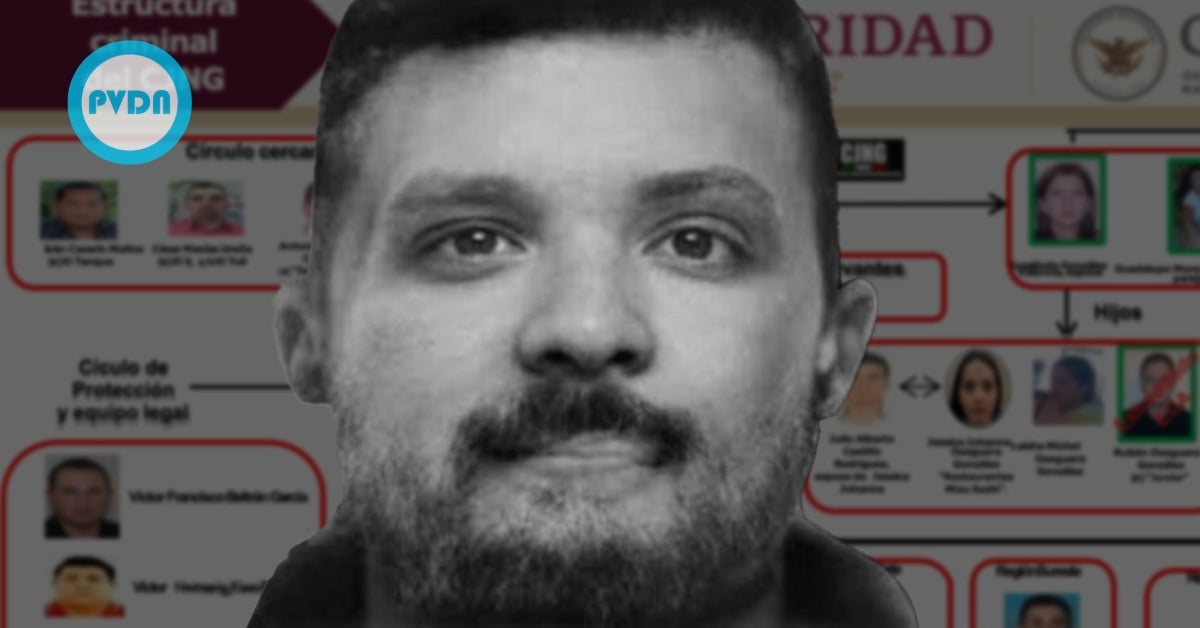
U.S. prosecutors have charged an alleged senior member of the Jalisco New Generation Cartel, saying he helped run a timeshare scheme that targeted Americans and then laundered the proceeds back to the cartel. The indictment, filed in the Eastern District of New York, describes a network of Jalisco call centers that pitched fake buyers, staged closing costs, and then demanded “taxes” or “recovery fees.” The case also names his half-sister as a co-defendant in the operation.
The charges go beyond fraud and money laundering. Prosecutors added terrorism-related counts, arguing the plot “filled the coffers” of a designated foreign terrorist organization. That language reflects a broader U.S. strategy: treat cartel financing streams with the same urgency as other terror threats. The Justice Department says victims numbered in the thousands. The scheme ran for years and focused on people who already owned timeshares, often retirees who were hunting for an exit.
La Jornada reported the case on Monday in its Economy section, noting a broad news cluster and highlighting the mechanism the U.S. filing lays out: scripted telemarketing from Jalisco, staged fees, and repeated “make-you-whole” calls that bled victims dry. The Mexican outlet also identified the accused as a high-ranking CJNG figure and noted the inclusion of a half-sister in the case.
The U.S. government has been building toward this moment. In August, the Treasury Department sanctioned a slate of people and companies around Puerto Vallarta, calling timeshare fraud a CJNG revenue stream dating back to roughly 2012. The advisory described English-fluent boiler rooms that harvested resort data to find targets. Reported losses are staggering: FBI and Treasury materials put the figure near $300 million from 2019 to 2023 alone.
Federal officials say these scams are not a side hustle; they are industrial. The FBI warned last year that CJNG is the dominant cartel in timeshare fraud, based on complaint data and financial tracing. Agents describe a lifecycle that can last years, with fake closings morphing into phony tax bills and then into counterfeit “recovery” services. Today’s indictment echoes that pattern, including the up-sell from a first loss to a second and third.
What today’s filing signals
The case matters for two reasons. First, it puts CJNG timeshare fraud on the same legal plane as other terror-financing crimes. Prosecutors are not only trying to seize profits; they want to cut a faucet that keeps the cartel liquid. Second, it tightens the timeline that officials have traced in public for more than a year: Puerto Vallarta as a hub, Guadalajara as a labor pool, and call centers that move fast when victims hesitate.
The human cost has been visible in Jalisco itself. In 2023, a grisly murder case in Zapopan focused attention on cartel-run call centers after young workers vanished and remains were found in a ravine. Authorities linked the sites to fraudulent telemarketing. The motive was never cleanly stated, but officials and reporters documented a chilling trend: call centers that punish anyone who tries to leave. That history haunts the current case and underscores who gets hurt at both ends of the phone line.
For U.S. victims, the indictment offers a roadmap of what to watch. Many first heard from a “broker” who claimed to have a buyer and a closing date. The pitch was a fee to unlock the sale. When that failed, new callers arrived as supposed lawyers or government officials promising to recover the earlier loss for yet another fee. The money moved through Mexican accounts and then back into CJNG’s financial network, prosecutors allege.
Mexican authorities have not announced parallel arrests tied to this filing, and the DOJ document does not hinge on local cooperation. But Washington’s posture is clear. In recent months, Treasury and State rolled out sanctions aimed at the same ecosystem, while the FBI amplified warnings to Americans who own timeshares in Mexico. Monday’s charges show the enforcement arc: name the players, freeze the pipes, and indict the operators who keep the phones ringing.