Cancún got a better sargassum report than many beachgoers may have expected on Wednesday, with much of the hotel zone staying in the low range. But the broader picture across Quintana Roo was far less even. Some stretches remained under heavier pressure, and the gap between a relatively clean beach and a difficult one can be surprisingly small. Here is what today’s report shows, why conditions shift so quickly, and what residents and visitors should watch before heading to the coast.
Many monitored Cancún beaches stayed in the low range
A daily monitoring report showed light sargassum conditions on many Cancún beaches on Wednesday, offering a better outlook for beachgoers in much of the city. Much of the hotel zone and the nearby public beachfront remained in the green category, indicating low arrivals. Several monitored beaches in Cancún fell into that range, while a smaller group moved into moderate conditions.
The statewide picture was more mixed. The monitoring summary evaluated 140 beaches across Quintana Roo. Of those, 5 had no sargassum, 49 showed very low levels, 23 were moderate, 25 were abundant, and 38 were excessive. That matters because Cancún can look relatively clear while other parts of the state are dealing with a more difficult day. In practical terms, Wednesday brought a modest break for many Cancún beaches, but not for the full Mexican Caribbean coastline.
The cleanest areas were not spread evenly
The report suggested that much of Cancún’s best beach news was concentrated in the main urban and hotel-zone corridor. Beaches such as Las Perlas, Langosta, Tortugas, Caracol, Punta Cancún, Chac Mool, Marlín, and others in that stretch were reported in the low category. Some better-known beaches farther south, including Ballenas and Delfines, were listed as moderate rather than low.
That difference is important for readers who assume all of Cancún moves together. It does not. A beach that looks manageable in the morning can shift quickly with wind, currents, and overnight arrivals. The same report also showed heavier accumulation in parts of Riviera Cancún, including areas near large resort properties, while neighboring municipalities such as Puerto Morelos, parts of Cozumel, and other stretches farther south faced much stronger arrivals. For residents, tourists, and expats planning a beach day, the lesson is simple: one beach report does not describe the whole coast.
Why one beach can look fine while another looks rough
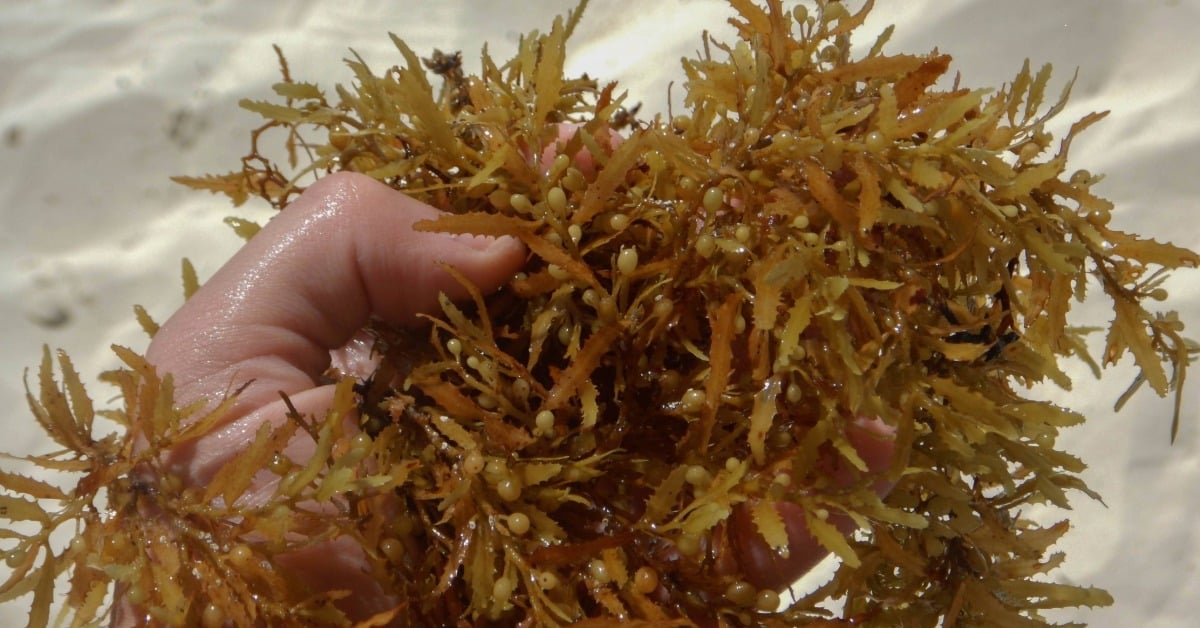
Sargassum is a floating brown macroalgae that drifts in from the Atlantic and Caribbean. Once it reaches shore, the amount that piles up can vary sharply from one beach to the next. That is why the same day can produce a decent beach experience in one part of Cancún and a much rougher one a short drive away.
This is also why readers should be careful with broad forecasts. Regional satellite tools are useful for tracking open-water sargassum, but they do not provide a perfect beach-by-beach prediction. Mexico’s ocean monitoring system has warned that satellite-based detection does not work close to shore at the level needed for a true beach-landing forecast. Community-based and local monitoring systems help fill that gap by adding beach-level observations, but even those are snapshots, not guarantees. The most useful way to read a daily sargassum map is as a same-day guide, not a promise of what conditions will be hours later.
A lighter day in Cancún does not mean the season is easing
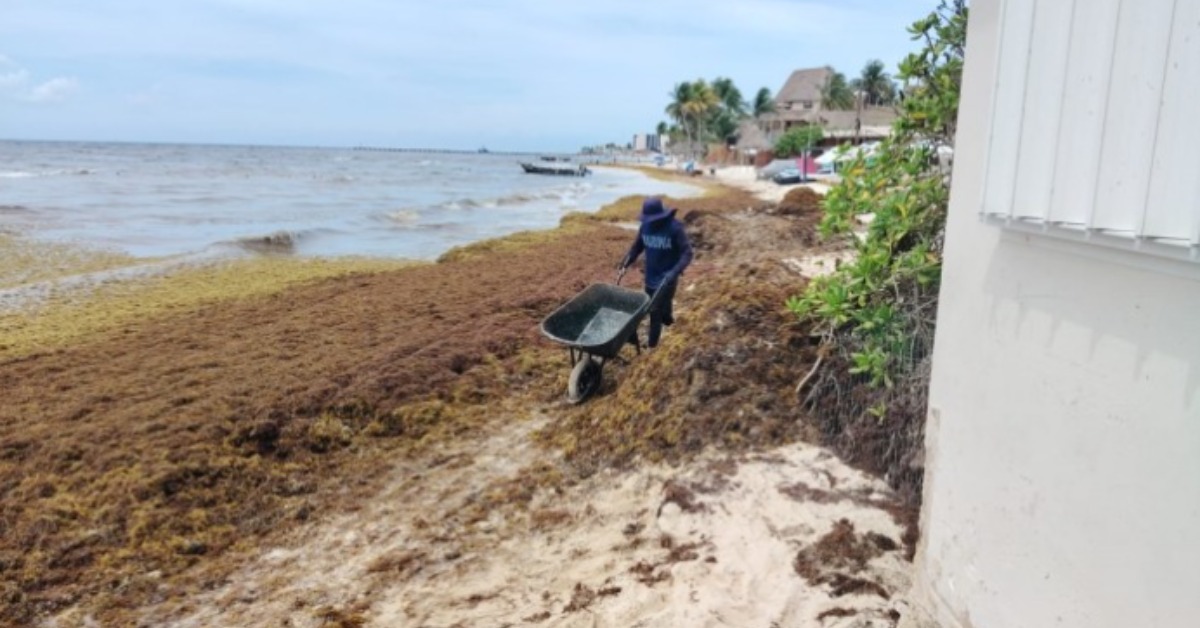
Today’s cleaner conditions on many Cancún beaches should not be read as a sign that the broader 2026 sargassum season is backing off. The season started unusually early this year. Reports in January already showed arrivals in several coastal areas of Quintana Roo, including the state’s south and parts of the Riviera Maya. That early start raised concern because major accumulations usually become more common later in spring and summer.
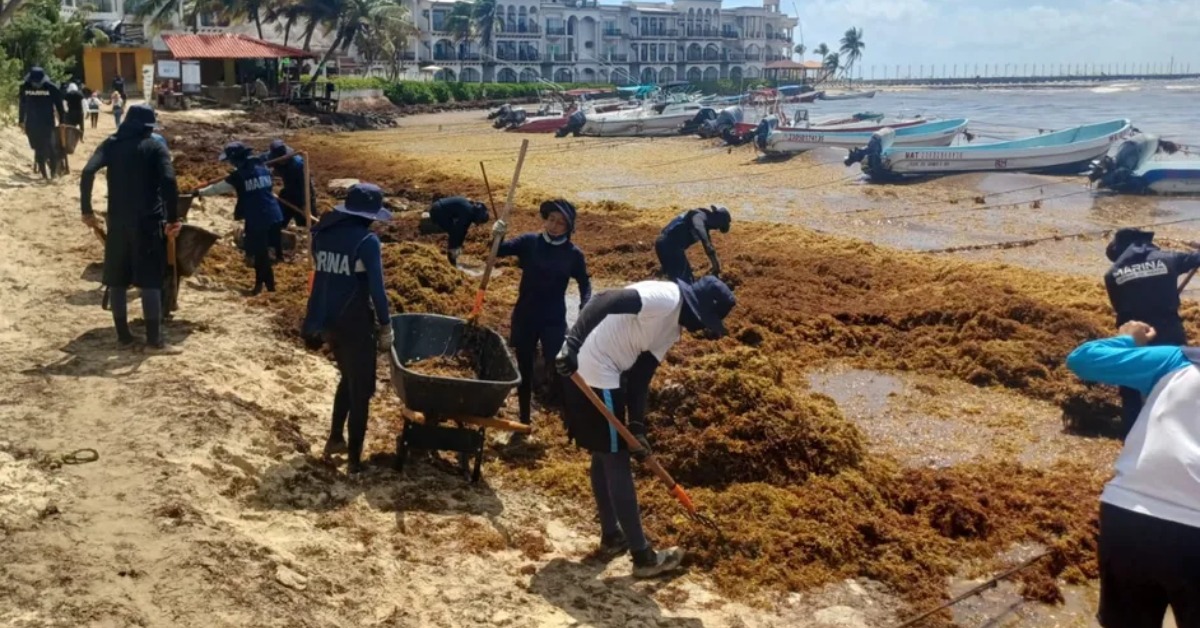
Officials and local governments have already been preparing for that possibility. Municipalities such as Puerto Morelos have held coordination meetings with federal authorities, hotel representatives, and environmental agencies to reduce the impact on beaches and tourism. Cleanup and containment work have also continued in different parts of the state. That response matters because light conditions in Cancún today and heavier conditions elsewhere can both be true simultaneously. The state is dealing with a moving problem, not a fixed one.
What this means for readers planning a beach day
For people living in Cancún or visiting from elsewhere in Mexico, today’s report is better than it could have been. Many of the monitored beaches in Cancún were still in the low-sargassum category, which is often the difference between a manageable beach visit and a frustrating one. But the broader state map is a reminder that the situation remains unstable.
The smartest reading of Wednesday’s update is not that Cancún is clear or that Quintana Roo is overwhelmed. It is that conditions are uneven and highly local. That is the reality of sargassum season. A favorable report for much of Cancún is useful news, especially for international readers trying to make sense of daily beach headlines. It is also only one day in a longer season that already started early and is still shifting from beach to beach.
Deep Dive:
Quintana Roo tries to calm beach fears over sargassum