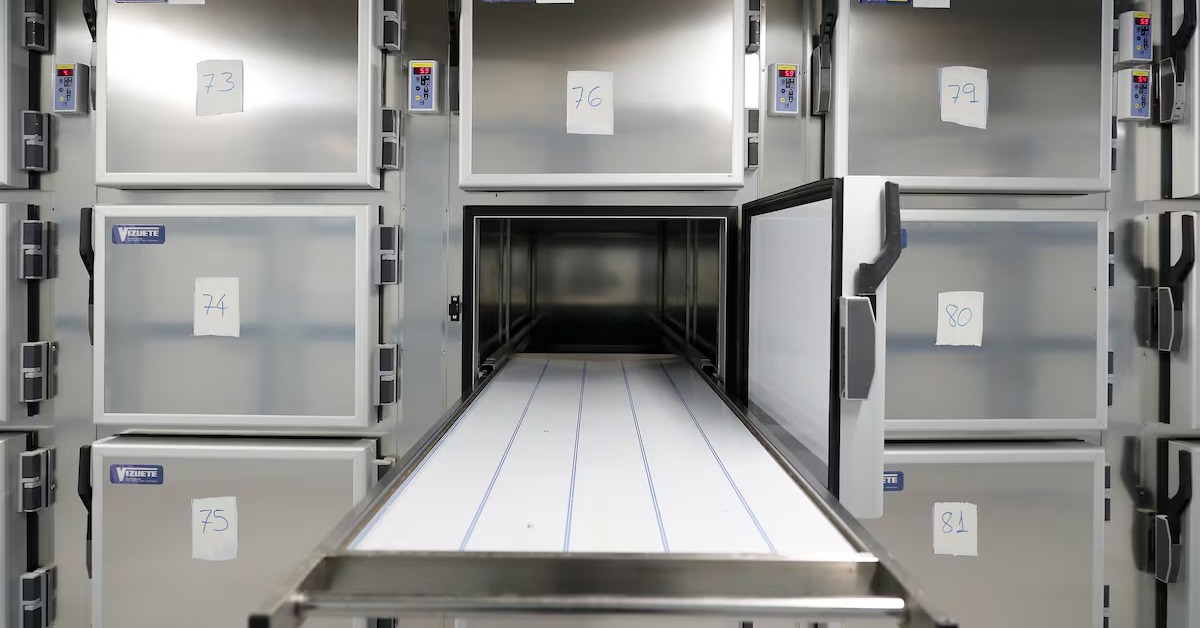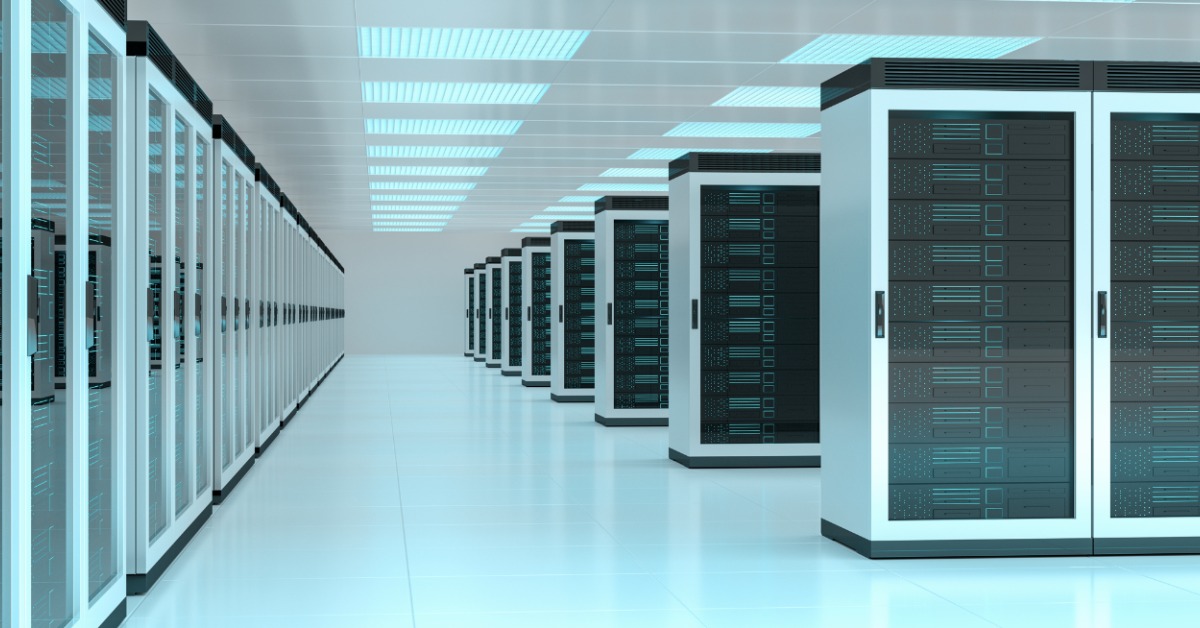
Generative AI is often presented as software, but its growth depends on physical infrastructure. Every chatbot response, image prompt, and automated business task runs through servers housed in data centers. Those centers need electricity to process data, cooling systems to manage heat, and hardware that must be manufactured before it ever reaches a server rack.
A new private-sector report has described generative AI as an energy “black hole,” warning that rapid adoption could sharply increase electricity demand by 2030. The concern is not that AI should be stopped. The concern is that companies, governments, and users are adopting the technology faster than energy systems can plan for it.
The warning comes as AI tools move from novelty to everyday use. Businesses now use them for customer service, marketing, coding, research, and internal operations. Individuals use them to write, translate, summarize, create images, and plan daily tasks. That convenience hides a basic question: how much power should society spend on each digital task?
Why AI uses so much electricity
Traditional software usually follows a set of instructions. Many older forms of artificial intelligence also analyze existing information to make predictions or classify data. Generative AI works differently. It creates new text, images, audio, video, or code by processing large amounts of information through complex models.
That process requires specialized chips, often graphics processing units (GPUs). These chips can handle large calculations, but they also require more power. The larger the model, the more energy is required to train, operate, and respond to user prompts.
The energy question does not end with the model itself. Servers create heat. Heat requires cooling. Cooling may require more electricity and, in some systems, water. Large data centers also need backup power, grid connections, and constant reliability because their clients expect services to work at all hours.
This is why the AI debate is moving beyond Silicon Valley. It is becoming a power-grid, water-use, and planning issue for cities and countries seeking to attract digital investment.
Data centers are becoming a larger electricity user
Global data-center electricity use is already large. Current international estimates place data centers at about 1.5% of global electricity consumption. That may sound small, but the number is growing quickly.
The International Energy Agency estimates that data-center electricity consumption could roughly double by 2030. Its base case projects global data-center demand rising from about 415 terawatt-hours in 2024 to around 945 terawatt-hours by 2030. That would put data centers just under 3% of global electricity use.
The growth is not only from AI. Streaming, cloud storage, business software, cryptocurrency activity, and ordinary internet use also matter. But AI is changing the scale and speed of demand. AI servers are expected to account for a large share of the increase because they require more powerful chips and denser computing capacity.
The challenge is local as much as global. A data center may represent a modest share of national electricity demand, yet place heavy pressure on one city, state, or grid region. That is where the conflict often appears first.
The United States shows what may be coming
The United States offers a warning sign for other markets. Data centers already consume a meaningful share of U.S. electricity. Berkeley Lab found that U.S. data centers used about 4.4% of the nation’s total electricity consumption in 2023. That figure could rise to between 6.7% and 12% by 2028, depending on growth and efficiency.
EPRI has issued an even wider 2030 scenario. It projects U.S. data centers could consume between 9% and 17% of national electricity by 2030. The range reflects uncertainty, but the direction is clear. The sector is becoming one of the country’s major drivers of electricity demand.
That creates practical questions. Who pays for new transmission lines? Should utilities build more gas generation, more renewables, more batteries, or more nuclear capacity? Should data-center operators be required to bring their own clean power? Should communities have more say before large facilities connect to the grid?
These are no longer abstract questions. In several U.S. regions, utilities and regulators are already debating how to serve AI-linked load growth without shifting costs onto households and small businesses.
Mexico has its own version of the same problem
For readers in Mexico, the issue is not distant. Mexico is trying to position itself as a digital infrastructure hub, especially as nearshoring drives more investment in industry and technology. Querétaro has become a key market for data centers, cloud services, and AI-related infrastructure.
Mexico’s data-center sector is still much smaller than the U.S. market. But it is growing, and industry groups have warned that energy availability could become a serious limit. Reports this month said Mexico has about 279 megawatts of installed data-center capacity, with much larger targets for 2030.
That growth brings investment and jobs. It also brings pressure on electricity planning. Large digital facilities need reliable power, strong fiber connections, cooling systems, and predictable permitting. If those pieces are not planned together, projects can face delays, higher costs, or conflict with local communities.
For Mexico, the AI energy debate connects with broader national questions. The country is trying to expand manufacturing, attract technology investment, and manage electricity demand simultaneously. Adding large AI-linked loads makes that balancing act more complicated.
Water and hardware are part of the footprint
Electricity is only one part of AI’s environmental impact. Water use is also important because some data centers use water for cooling. Even when facilities use less water on site, the hardware itself has an environmental footprint.
Servers require semiconductors, minerals, metals, and complex global supply chains. Manufacturing the chips and equipment can create emissions before the equipment is ever plugged in. This is often called the embodied impact of technology.
That distinction matters because a company may claim a data center is efficient once it is operating, while omitting the environmental costs of manufacturing the hardware. A complete view must include electricity, cooling, water, hardware production, and the eventual disposal of electronic waste.
This does not mean all AI use is wasteful. AI can also help reduce energy use in buildings, improve logistics, support medical research, and optimize power grids. The problem is not the existence of AI. The problem is using the largest models for tasks that do not need them.
The next debate is smarter use, not no use
The most practical solution may be a more selective approach to AI. Not every task requires a large frontier model. Simple customer questions, internal summaries, and routine office tasks may be handled by smaller models or traditional software. Larger models can be reserved for complex work that needs deeper reasoning.
That approach is sometimes called right-sizing. It means matching the tool to the job. A person would not use a cargo truck to carry a sandwich. In the same way, a company may not need its most powerful AI system to answer a basic form question.
Businesses can also audit their AI use. They can ask which tools create value, which tasks are unnecessary, and which providers disclose energy and water impacts. Governments can require better reporting from data-center operators. Utilities can plan for demand before projects are already waiting for power.
For ordinary users, the impact of one prompt is small. But billions of prompts create a system-level effect. That does not mean people should feel guilty for using AI. It means the technology should be treated as a real resource user, not as magic happening somewhere out of sight.
Why this matters for everyday readers
Most readers will not build a data center or train an AI model. But the consequences can still reach them. Electricity demand can affect grid planning, utility investment, environmental policy, and, in some regions, energy costs.
For expats and residents in Mexico, the issue may show up in development debates. A region that attracts data centers may gain investment, jobs, and digital infrastructure. It may also face questions about electricity supply, water use, and whether public planning is keeping up.
AI is now part of daily life. It can translate a document, summarize a government announcement, help a small business write ads, or help a retiree understand paperwork in another language. Those benefits are real. So are the costs behind them.
The next phase of the AI boom will not only be about smarter chatbots. It will be about whether energy systems, regulators, and companies can make the technology useful without turning it into another unmanaged strain on public infrastructure.