A new academic analysis warns that climate-linked extreme weather could increase mortality in Mexico by heightening health risks following disasters such as cyclones, floods, heavy rain, and extreme temperatures.
The study, titled “Climate Change and Health in Mexico,” was prepared by José Alberto Lara Pulido of the Center for Transdisciplinary University Studies for Sustainability at Universidad Iberoamericana. It estimates that mortality from several causes can rise by around 15 percent following climate-related disasters.
The warning is important for Mexico’s coastal communities, including areas exposed to Pacific hurricanes, storm surge, flooding, and landslides. It also matters for inland cities, where extreme heat, heavy rain, and poor drainage can create serious health risks.
The study does not say every disaster will affect every community in the same way. Risk depends on the type of event, local infrastructure, access to health care, and the vulnerability of the people affected.
Why the health risk can continue after the storm
A common mistake is to think the danger ends when the rain stops or the wind dies down. The study argues that the health impact can last for weeks.
After a disaster, people may face contaminated water, damaged homes, mold, power outages, heat exposure, blocked roads, and delayed medical care. These conditions can worsen existing illnesses and create new ones.
The analysis found that some mortality effects can last up to two months after an event. That makes preparation and follow-up care just as important as the emergency response itself.
For older adults, children, and people with chronic illnesses, the danger can be greater. A person with respiratory disease, heart problems, limited mobility, or weak access to medical services may be more exposed after a flood or heat wave.
That point matters for many foreign residents in Mexico. Some retirees live in coastal or warm-weather communities where hurricanes, flooding, and heat are part of life. Others may not have family nearby, may not speak Spanish well, or may not be familiar with local emergency systems.
What the study found
The study reviewed disaster declarations and mortality data in Mexico from recent years. It examined whether deaths from several causes changed following extreme events.
The findings point to several areas of concern. Mortality from accidents can rise sharply after tropical cyclones. Respiratory deaths can increase after storms, flooding, and moisture-related damage. Viral and intestinal diseases can also become more serious when water systems are affected.
The analysis also links disasters with a rise in deaths related to mental health conditions. This reflects a wider public health reality. Disasters can cause stress, displacement, loss of income, and interruptions in medical treatment.
Heat is another major concern. Higher temperatures can worsen respiratory illness, increase allergens, and help pathogens spread through food and water. Heat can also be dangerous for outdoor workers, older adults, and people living in homes without good ventilation or cooling.
Mexico’s geography makes the issue more complex. The country has long coastlines along the Pacific, the Gulf of Mexico, and the Caribbean. It also has mountain communities, flood-prone cities, drought-affected regions, and dense urban areas where heat can build quickly.
Why coastal communities should pay attention
For places such as Puerto Vallarta, Los Cabos, Acapulco, Manzanillo, Cancún, and the Riviera Maya, the study is not an abstract climate warning. It connects directly to everyday risks.
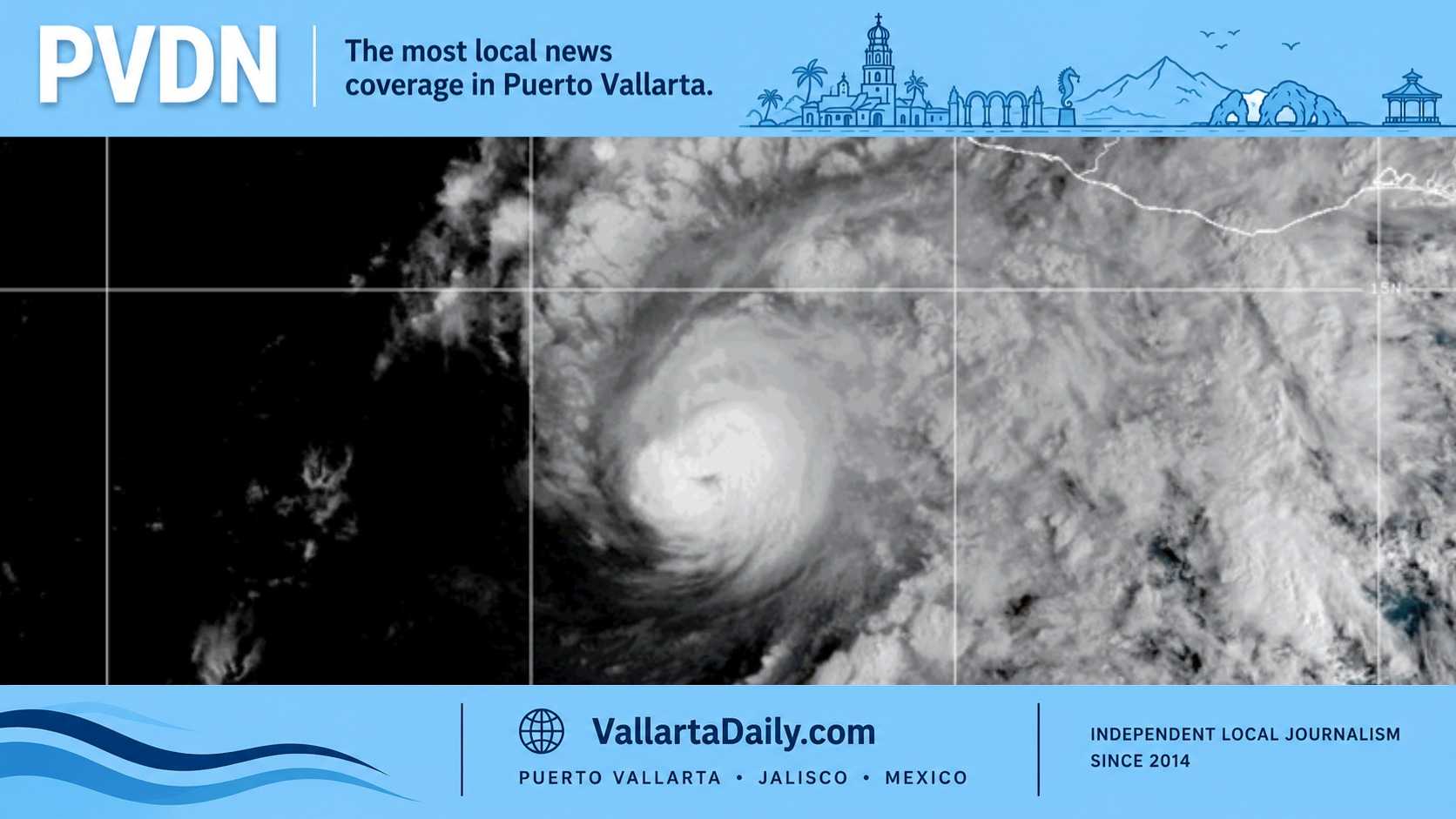
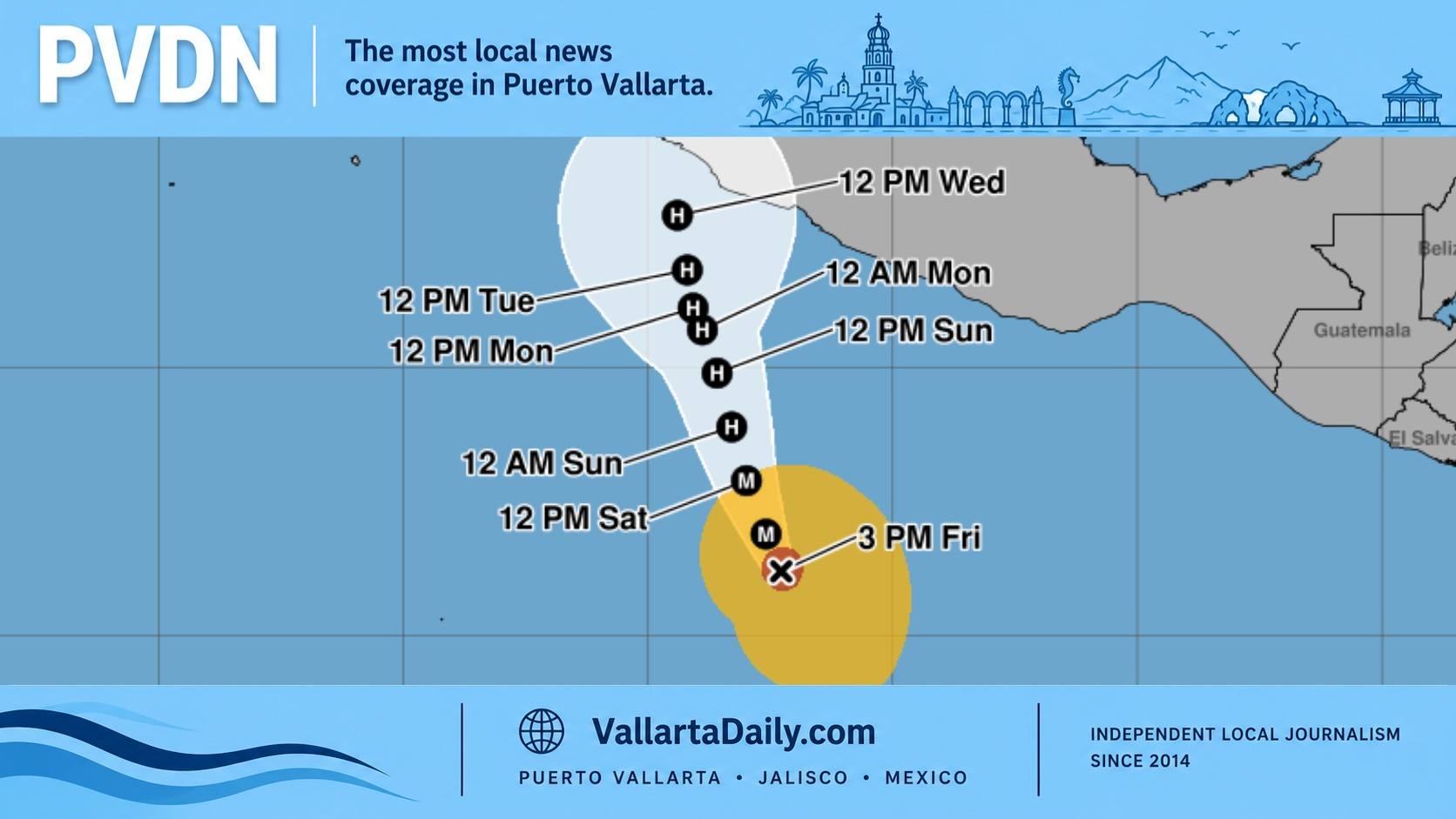
A tropical storm does not need to make a direct hit to cause problems. Heavy rain can flood streets, overflow rivers, trigger landslides, and damage roads. Strong surf and storm surge can affect beaches, marinas, and low-lying neighborhoods.
In many coastal cities, growth has outpaced drainage, road planning, and hillside protection. That makes heavy rain more dangerous. Informal settlements and older homes may be especially exposed.
Puerto Vallarta and the Bay of Banderas have added risks because the region sits between the Pacific and the Sierra Madre. Heavy rainfall can move quickly from the mountains into urban areas. That can create flooding, mudslides, and road closures even when the storm center remains offshore.
The timing also matters. Mexico’s Pacific hurricane season begins May 15 and runs through November 30. The Atlantic season begins June 1 and also ends November 30. That gives coastal residents a long period during which preparation should stay active.
Climate change is becoming a health issue
The study’s broader message is that climate change is also a health issue. It affects more than beaches, forests, wildlife, or infrastructure.
Extreme weather can interrupt medicine supplies, close clinics, delay emergency care, and expose people to unsafe water. It can also worsen air quality, food safety, and mental health.
For public officials, this means climate planning cannot be limited to disaster cleanup. It needs to include hospitals, clinics, public warning systems, drainage, shelters, emergency transportation, and follow-up care.
For residents, the lesson is more practical. People should know their local risks before an emergency happens. That includes knowing evacuation routes, local shelter locations, emergency numbers, and how to receive official alerts.
Foreign residents should also consider language and documentation. Keeping copies of passports, residency cards, insurance papers, prescriptions, and medical records can make a major difference after a disaster.
Prevention may matter more than response
The study argues that Mexico needs to focus more on prevention and adaptation, rather than on emergency response after damage occurs.
That means stronger infrastructure, better early-warning systems, public health planning, and greater attention to vulnerable communities. It also means connecting climate policy with health policy.
A flood-control project is not only a public works issue. It can also reduce disease and injury. A heat-warning system is not only a weather service. It can help prevent deaths among older adults and outdoor workers.
The same applies to coastal planning. Where homes, hotels, and roads are built can affect how many people are exposed to storm surge, flooding, and landslides.
For Mexico’s tourism regions, the stakes are high. Local economies often depend on beaches, roads, airports, restaurants, and hotels working normally. When extreme weather damages those systems, the effects reach workers, visitors, businesses, and residents.
What residents can take from the warning
The study does not mean every storm or heat wave will lead to a major health crisis. It does mean the risk is measurable and should be taken seriously.
Residents in hurricane and flood zones should review emergency plans before the rainy season begins. People with medical conditions should keep prescriptions current and have a plan for power outages or clinic closures.
Older adults living alone may need a check-in plan with neighbors or friends. Pet owners should know which shelters or hotels accept animals. People in flood-prone areas should avoid driving through water, even when it looks shallow.
For newcomers to Mexico, official alerts are especially important. Weather rumors spread quickly online, and they are not always accurate. Local civil protection offices, Mexico’s weather service, and municipal announcements should be the main sources during an emergency.
The study’s message is clear: the danger from climate extremes does not end with the event itself. The health effects can continue long after the headlines move on.