X

Latest Mexico news on storms and preparedness.
Two basins hit Mexico. In the Atlantic/Caribbean, season runs June 1–November 30. In the Eastern Pacific, it runs May 15–November 30. Activity can still occur outside those windows, but those are the official seasons.
National guidance comes from Mexico’s Servicio Meteorológico Nacional and Protección Civil. For basin-wide forecasting and advisories, the NOAA National Hurricane Center is the gold standard; Mexico also uses the SIAT-CT color-coded system for local preparedness messaging. Link your “Track storms” button to NHC advisories and add a secondary link to SIAT-CT guidance.
Storm track, intensity, forward speed, rainfall, and surge potential matter more than category alone.

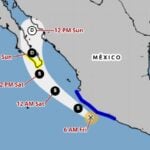
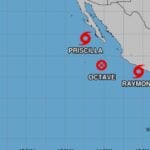
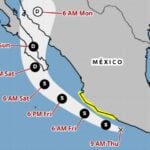
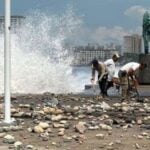
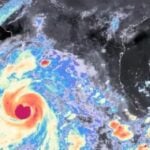
Mexico straddles two hurricane basins, so storm season is a fact of life. Along the Pacific, systems build fast and can run up the coast. In the Gulf and Caribbean, tracks bend toward the Yucatán and Veracruz–Tamaulipas shoreline. Our Mexico hurricanes page explains what those forecasts mean, what risks matter most, and how to prepare without panic.
Season timing guides the odds. The Eastern Pacific season runs mid-May to late November. The Atlantic runs June through November. Peaks vary by coast, but late summer into early fall brings the most activity. Warm water and weak wind shear fuel rapid changes, so a “tropical storm” at dawn can be a hurricane by night.
Know the hazards. The Saffir–Simpson scale measures wind, not water. Yet water—storm surge and inland flooding—causes most damage and deaths. Surge piles the sea into low-lying coasts. Rainfall turns hillsides and river valleys dangerous far from landfall. Winds topple trees, snap power lines, and peel roofs. Tornadoes can spin up in outer bands, especially on the Gulf side.
Read the forecast cone correctly. The cone shows where the center might travel, not the edge of impacts. Dangerous rain and wind can reach far outside it. “Watches” mean possible conditions in 48 hours; “warnings” mean likely conditions in 36 hours or less. Local civil protection agencies issue evacuation orders, shelter locations, and bridge or road closures. Follow those first.
Preparation is practical. Before season, trim trees, clear drains, and check roof fasteners. Photograph documents and store copies in the cloud. Keep water, shelf-stable food, meds, a flashlight, batteries, a radio, and cash. Charge power banks. Top off your gas tank. If you live in a surge zone, plan where you’ll go and how you’ll get there. Pets need carriers, food, and proof of vaccines for shelters and hotels.
During a threat, act early. Secure patio furniture and propane tanks. Move a car to higher ground. Freeze bottles of water to help a fridge ride out an outage. If officials advise leaving, go before roads flood. If you stay, shelter in an interior room away from windows. After the eye passes, winds reverse—don’t step outside until authorities say it’s safe.
Tourism adds moving parts. Resorts on the Pacific and Caribbean coasts run hurricane plans with generators, water reserves, and safe rooms. Guests should read the in-room instructions, keep ID handy, and follow staff briefings. Flights can shift quickly; rebook through the airline app and monitor airport advisories, not rumors.
Recovery starts with safety. Avoid floodwater and downed lines. Ventilate spaces before running generators. Document damage with time-stamped photos and keep receipts for repairs. Community groups often organize cleanups and supply drives—listen for city notices on where to help or receive aid.
Hurricanes are natural. Disasters are built. Good codes, clear warnings, and ready households turn a headline storm into a manageable emergency. That’s the focus of our Mexico hurricanes coverage—straight facts, timely updates, and steps that keep people first.
We report storm track, intensity, forward speed, rainfall, and surge potential.