Puerto Vallarta News

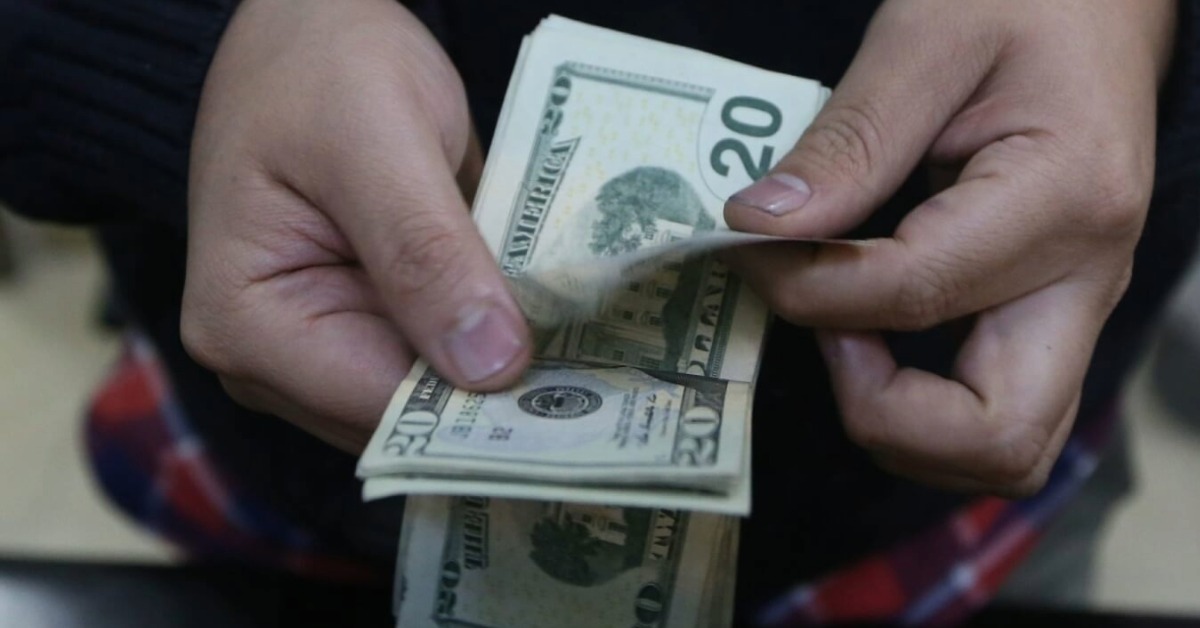












 The Cartel Tax Mexico Companies Fear Is Reaching 20% Consultants warn that cartel extortion of up to 20% is pushing security costs higher and turning organized crime into an economic risk.
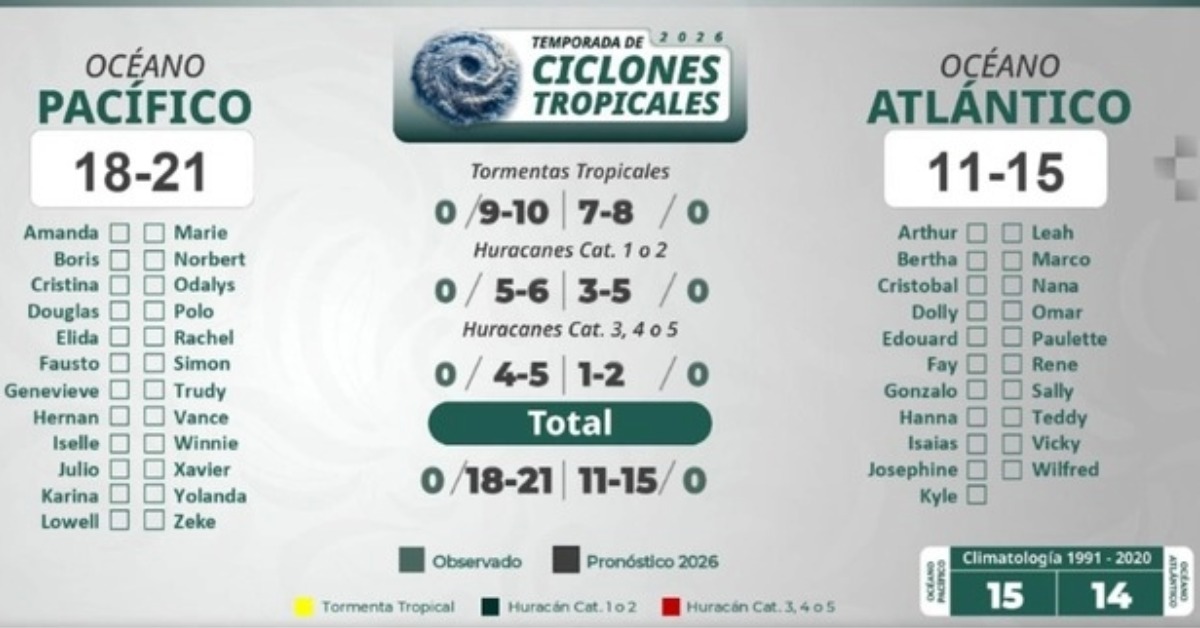
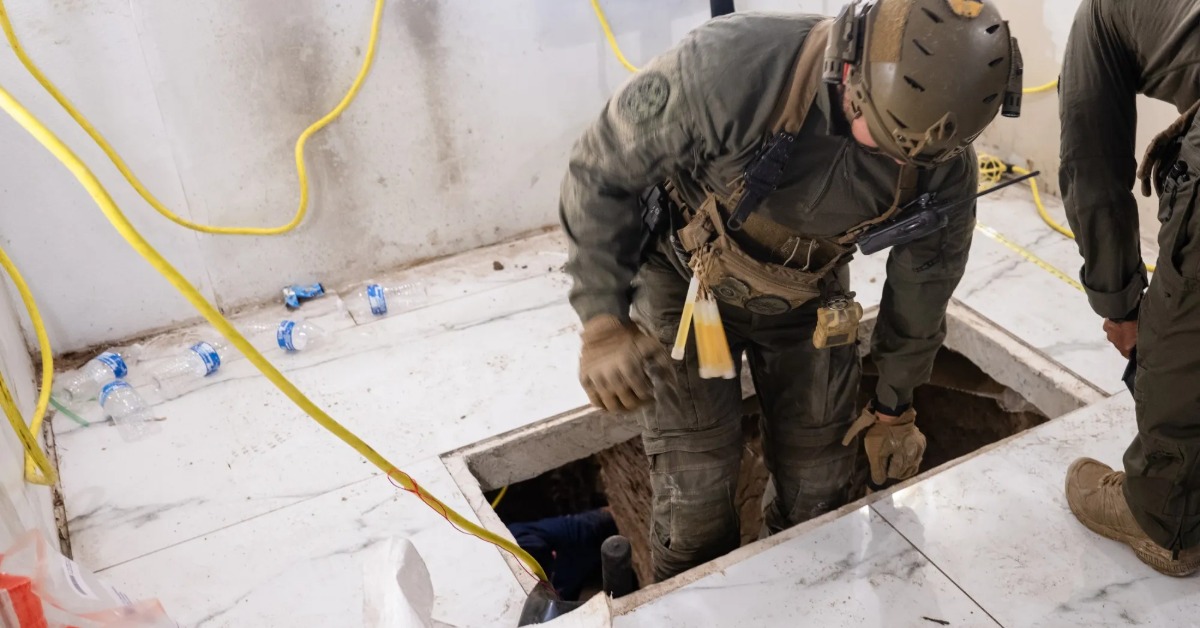
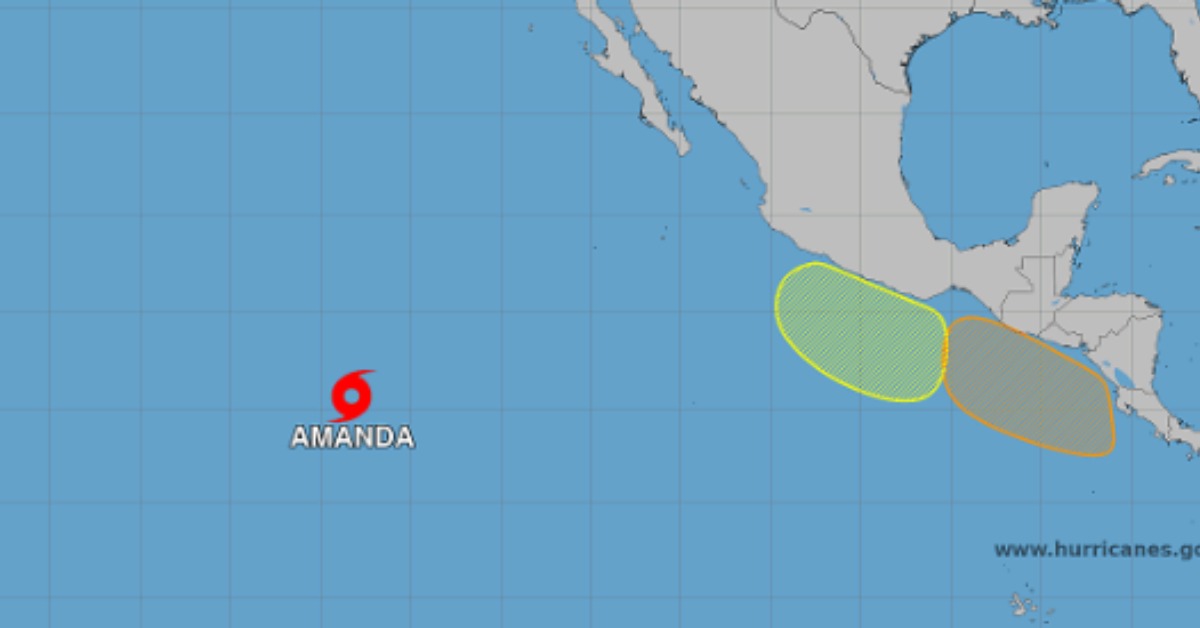 Tropical Storm Amanda is here, and Mexico is watching two more systems Forecasters are tracking two new Pacific systems near southern Mexico as Amanda becomes the first named storm of the 2026 season.Inside the fake store hiding a CJNG cocaine tunnel U.S. prosecutors charged four people after finding more than one ton of cocaine and a fortified tunnel linking Tijuana to Otay Mesa.
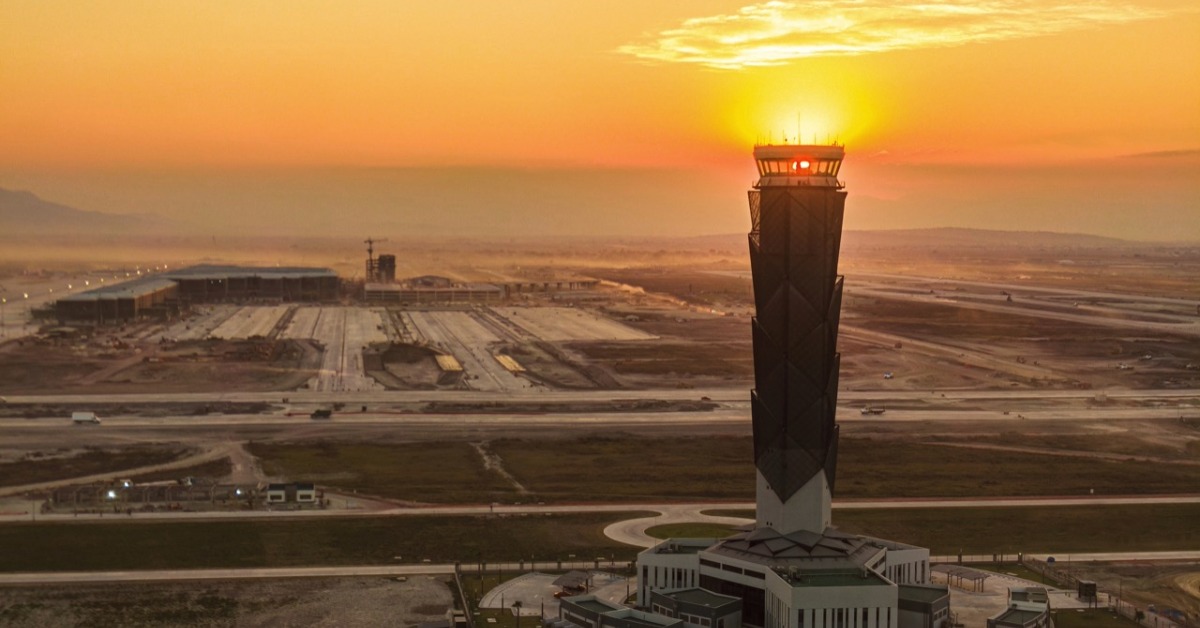
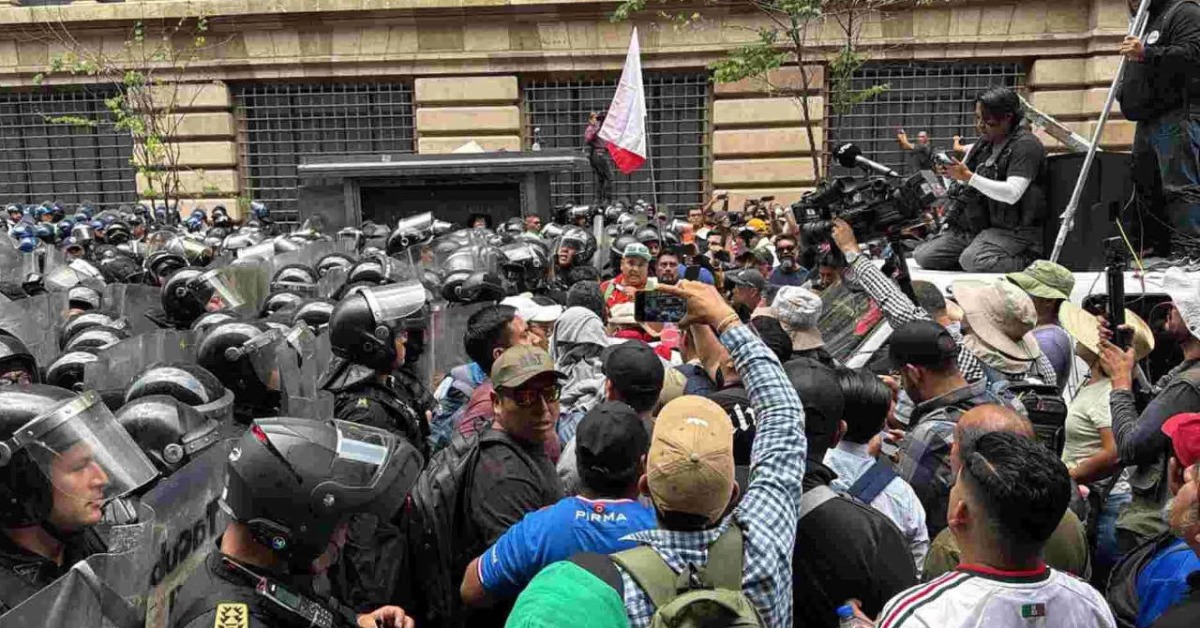 Mexico City Teacher Protests Could Make World Cup Travel Messy Mexico City teacher protests have become a travel watch as a CNTE strike builds days before the World Cup opener and Zócalo fan events.
 Woman Dies After Wave Pulls Her Out in Nuevo Nayarit A woman died after being swept into the ocean near Villa Varadero in Nuevo Nayarit during a period of rough surf warnings in the bay.
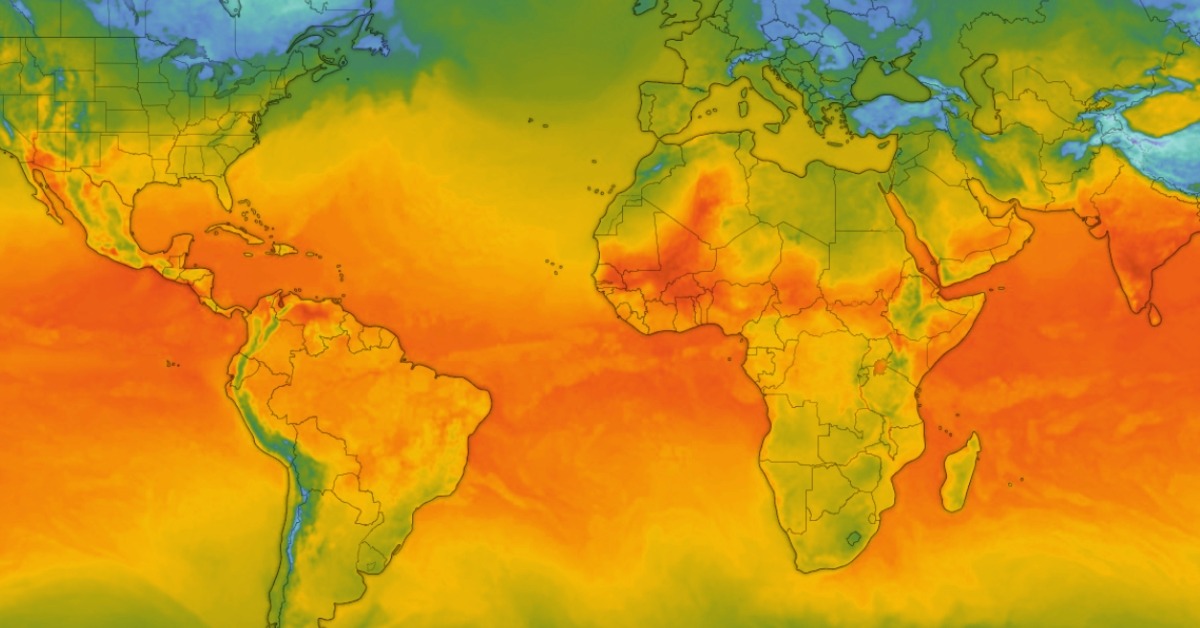 WMO El Niño Warning Raises Climate Risks for Mexico WMO says El Niño is developing, raising risks for heat, drought, heavy rain and Pacific storm activity as Mexico tracks the shift.U.S. Air Arrivals to Mexico Fall for First Time Since 2021 Foreign air arrivals from the U.S. to Mexico fell 6.1% from January to April, the first post-pandemic recovery decline for tourism.
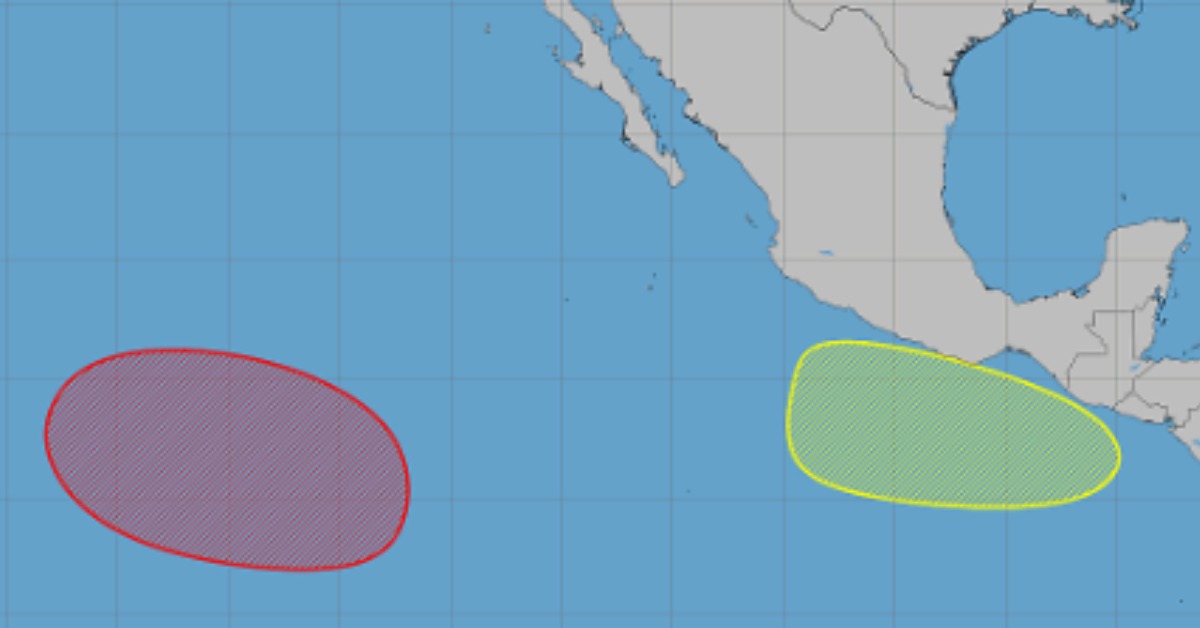 Pacific Hurricane Watch Grows With Two New Systems Forecasters are tracking two Pacific disturbances, including one likely to become a tropical depression southwest of Baja California.
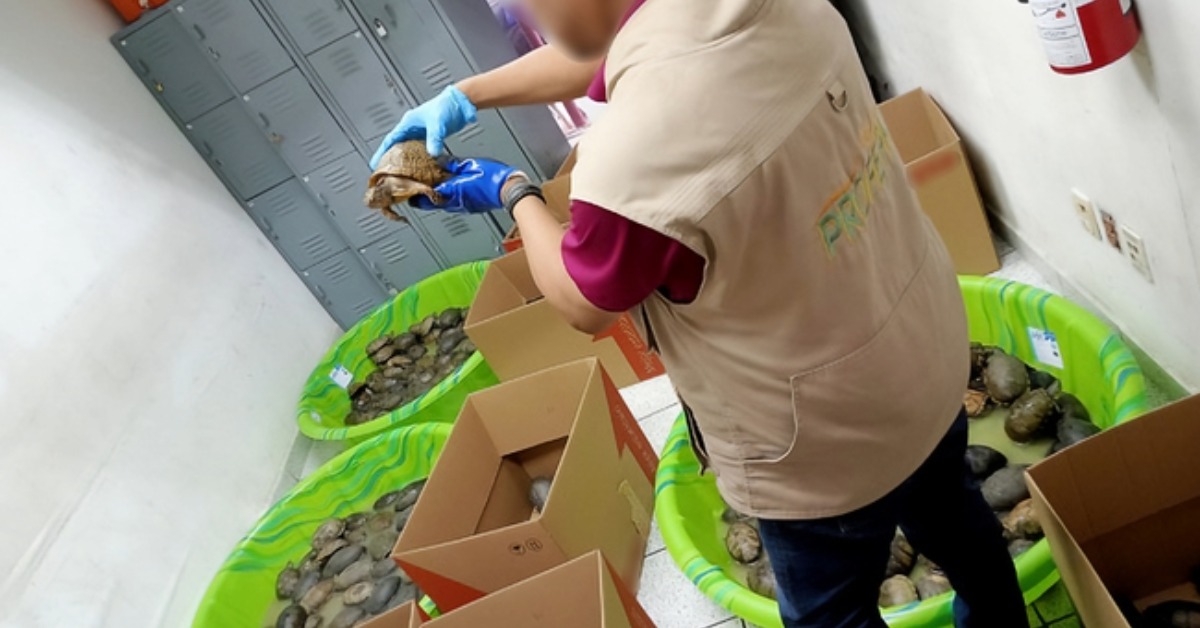 350 Turtles Shipped as Toys Were Found in Mexico Parcel Profepa seized 350 freshwater turtles sent as toys in Matamoros. Officials said 25 were dead and protected species were involved.
 The Canada Job Offer That Took Nayarit Workers’ Money Nayarit officials say about 160 people were defrauded through fake Canada construction job offers tied to social media recruiters.