

















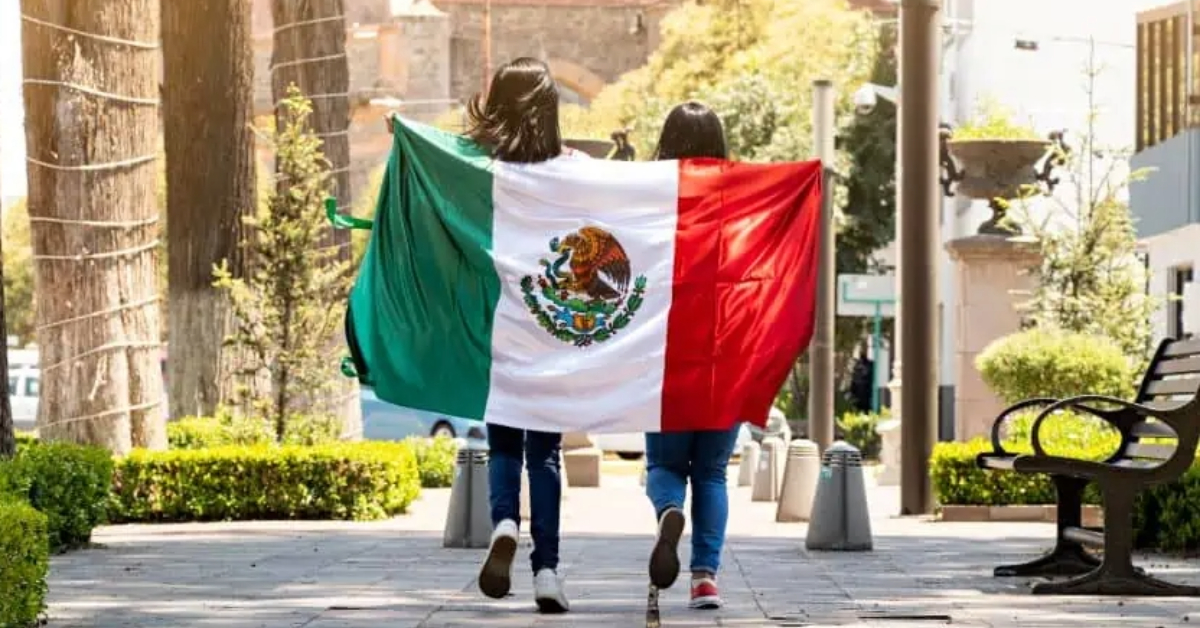
 Foreign Residents Say Mexico Feels Safer Than Home A new expat safety survey finds foreign residents in Mexico feel safer in their communities than in their previous home countries.Mexico Retail Sales Lose Momentum After February Drop Mexico’s retail sales fell 0.9% in February, as weaker grocery demand offset stronger online and specialty sales across Mexico.
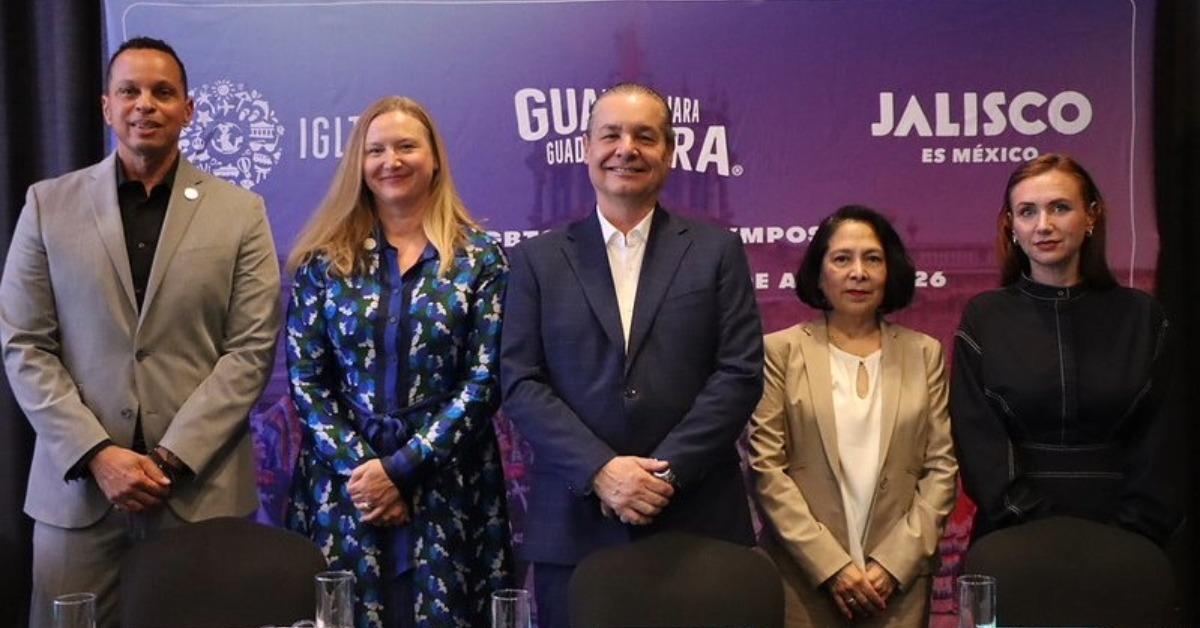
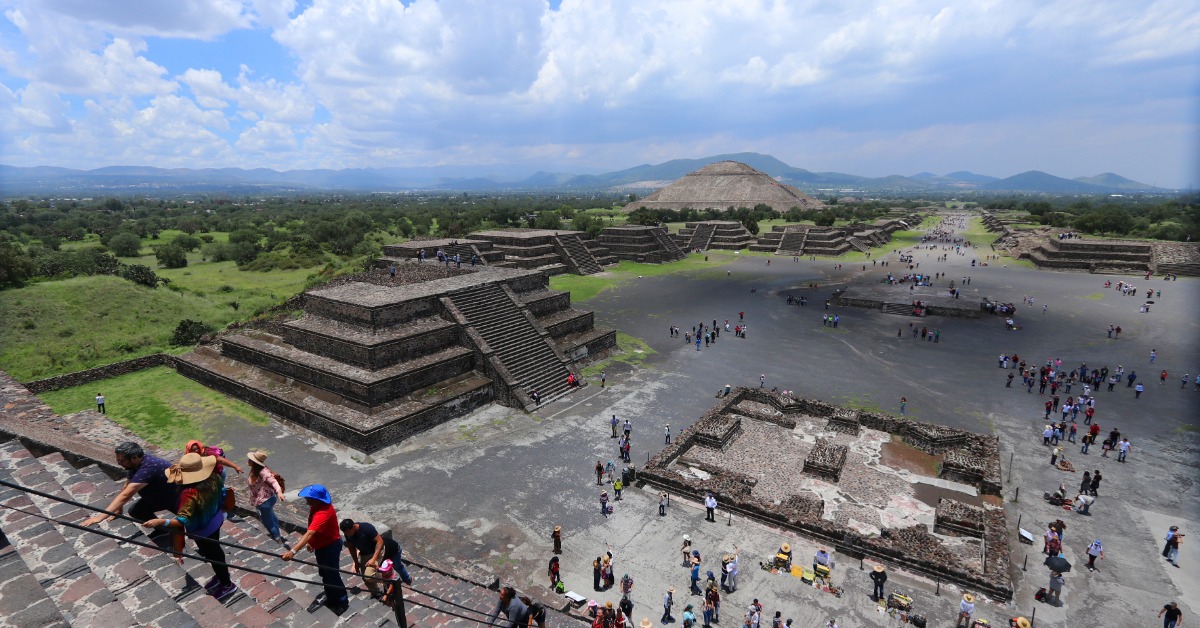 Teotihuacán attack shakes confidence in Mexico travel After the Teotihuacán shooting, tourism leaders urged joint action to protect traveler confidence as Mexico prepares for World Cup 2026.
 Costa Nayarit Megaproject Puts Nayarit Coast on the Map A 20 billion peso Costa Nayarit project in Compostela would add homes, hotels, a marina and golf to the Pacific corridor.Mexican Cartels Hire Colombian Ex Soldiers for Skills Mexican cartels are recruiting Colombian ex-soldiers for combat, explosives, intelligence and drone skills, raising security concerns.
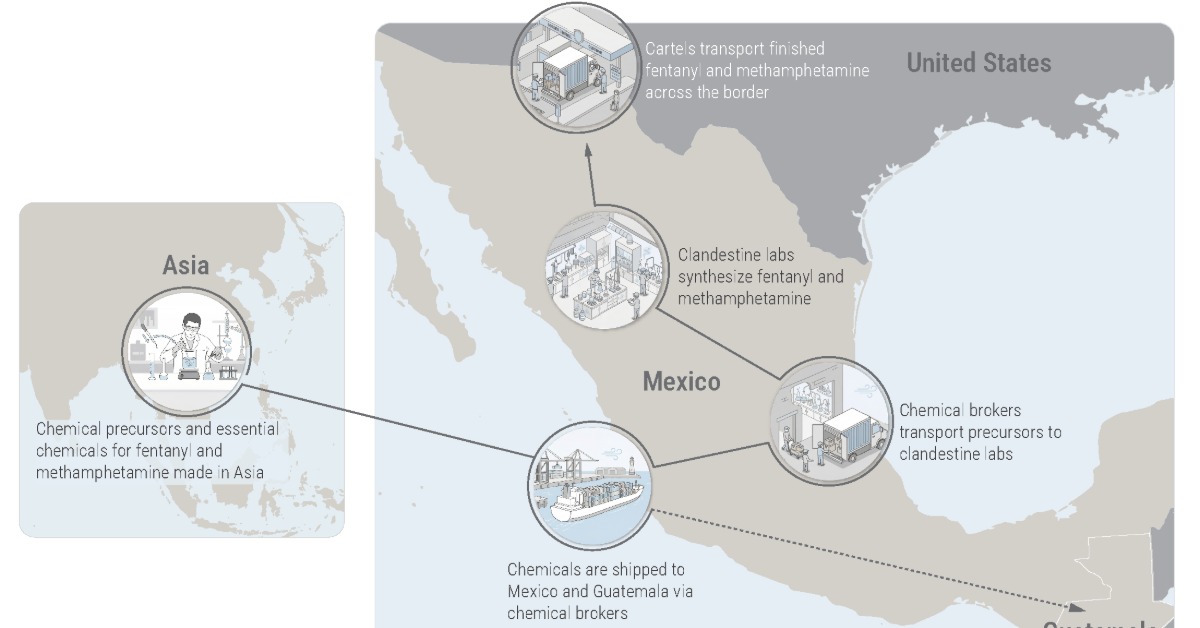 U.S. sanctions 23 in Sinaloa opioid supply network Treasury targeted 23 people and companies tied to the Sinaloa Cartel, tracing how chemicals move from Asia into Mexico’s drug pipeline.
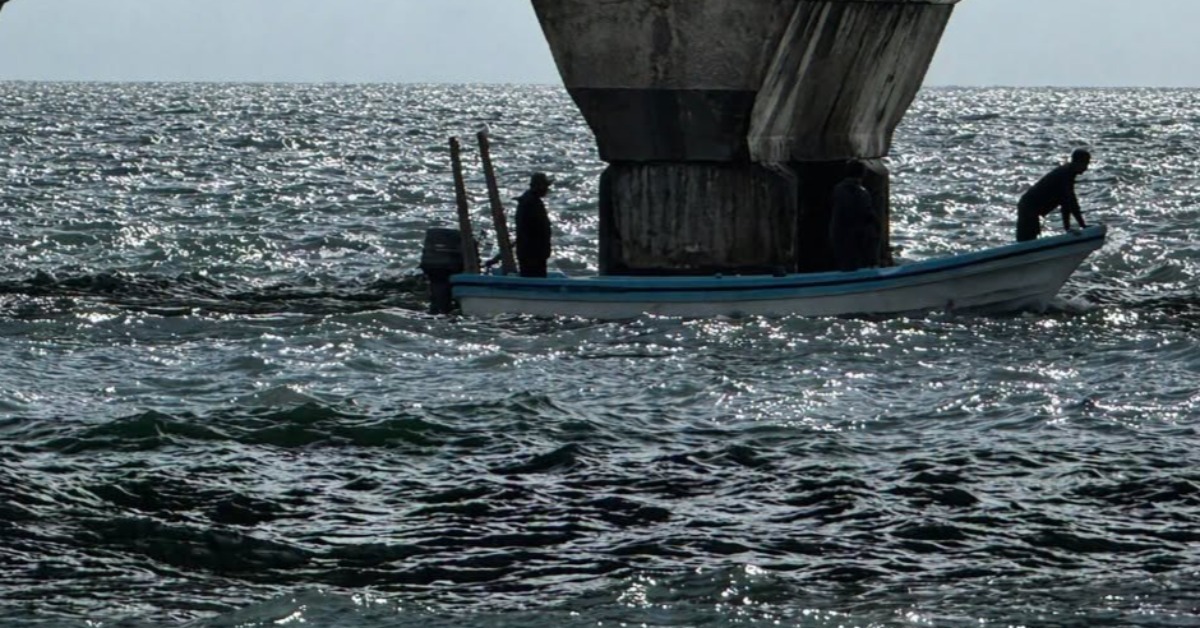 Pemex spill tally points to a deeper Mexico problem Pemex recorded 3,951 spills from 2020 to 2025, suggesting the latest Gulf leak is part of a wider pattern, not a one-off event.
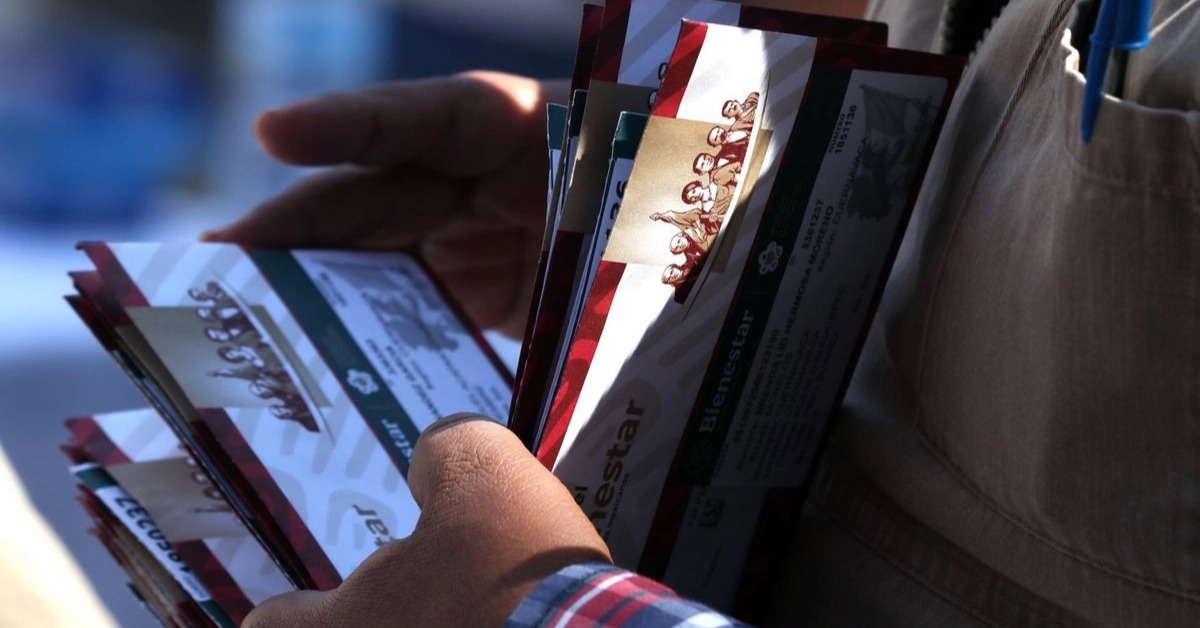 CIDH report warns on killings of LGBTQ people in Mexico A new CIDH report says Mexico has made social-policy gains, but killings of trans women and other LGBTQ people remain a serious concern.
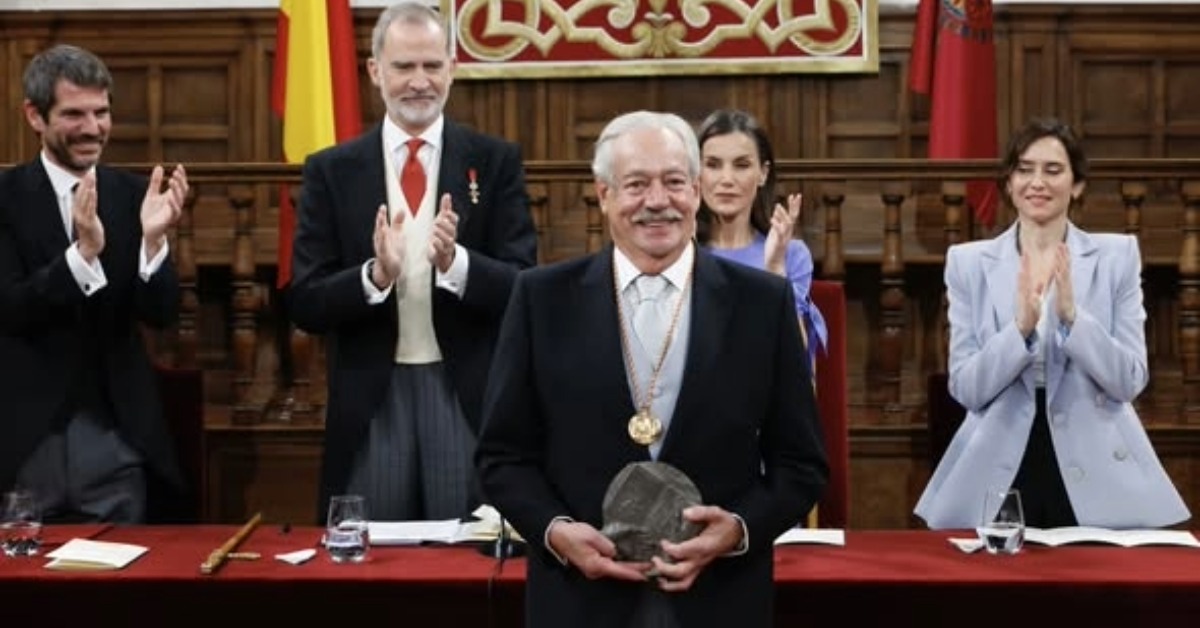 Gonzalo Celorio becomes Mexico’s seventh Cervantes winner Mexican author Gonzalo Celorio has received the 2025 Cervantes Prize, joining a rare national group and spotlighting Mexico’s literary legacy.
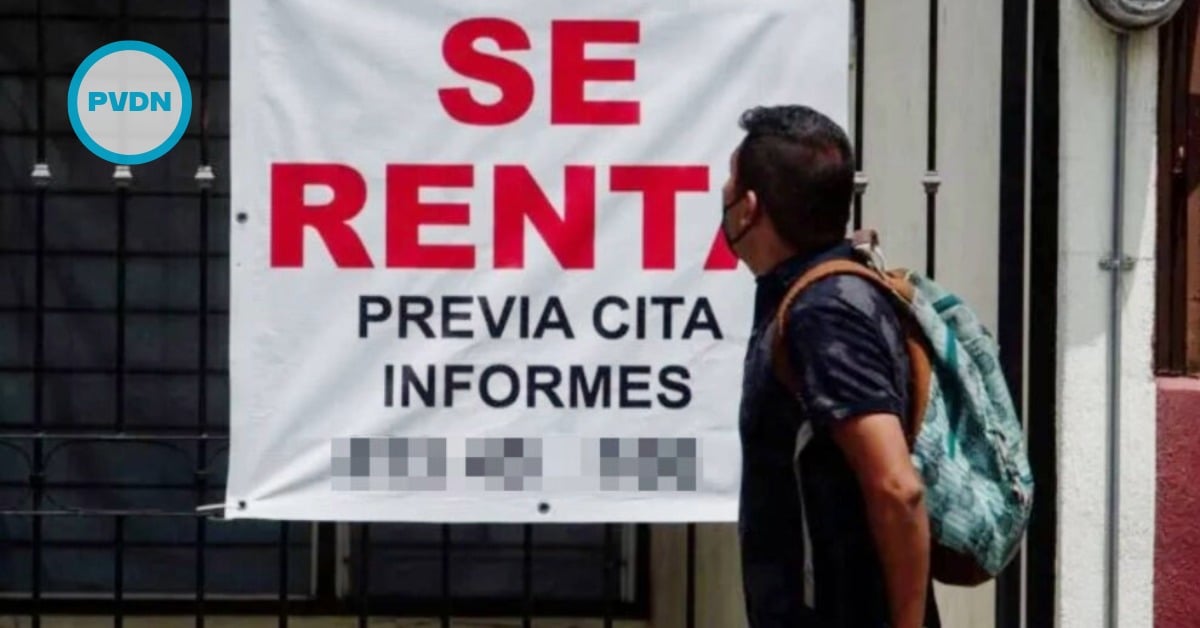 Cheap Rentals in Mexico Are Getting Harder to Find Mexico’s rental market is split between costly online listings and cheaper informal options, making affordable apartments harder to find.