Mexico’s housing market kept getting more expensive in early 2026, and the biggest jumps were not limited to the country’s largest cities. New federal mortgage data shows prices rose well above inflation, with several tourism and fast-growth states leading the increase. For buyers, renters, retirees, and foreign residents watching the market, the numbers point to a familiar problem: housing costs are still outpacing many household budgets.
Mexico housing prices rose 8.7% in first quarter, SHF says
Mexico’s housing prices rose 8.7% in the first quarter of 2026 compared with the same period last year, according to the federal mortgage agency Sociedad Hipotecaria Federal, known as SHF.
The increase applies to homes purchased with mortgage credit, making the index a useful measure of formal housing transactions. It does not capture every cash purchase or informal deal. Still, it gives a clear look at where prices are moving in the mortgage-backed market.
SHF placed the average home value at about 2.02 million pesos. The median appraisal value was about 1.33 million pesos, meaning half of the mortgage-backed transactions were below that amount and half were above it.
Coastal and fast-growth states led the increase
The strongest price increases were reported in states with active tourism, migration, and housing demand. Quintana Roo posted the largest annual increase at 13.4%, followed by Jalisco at 12.6% and Nayarit at 11.8%.
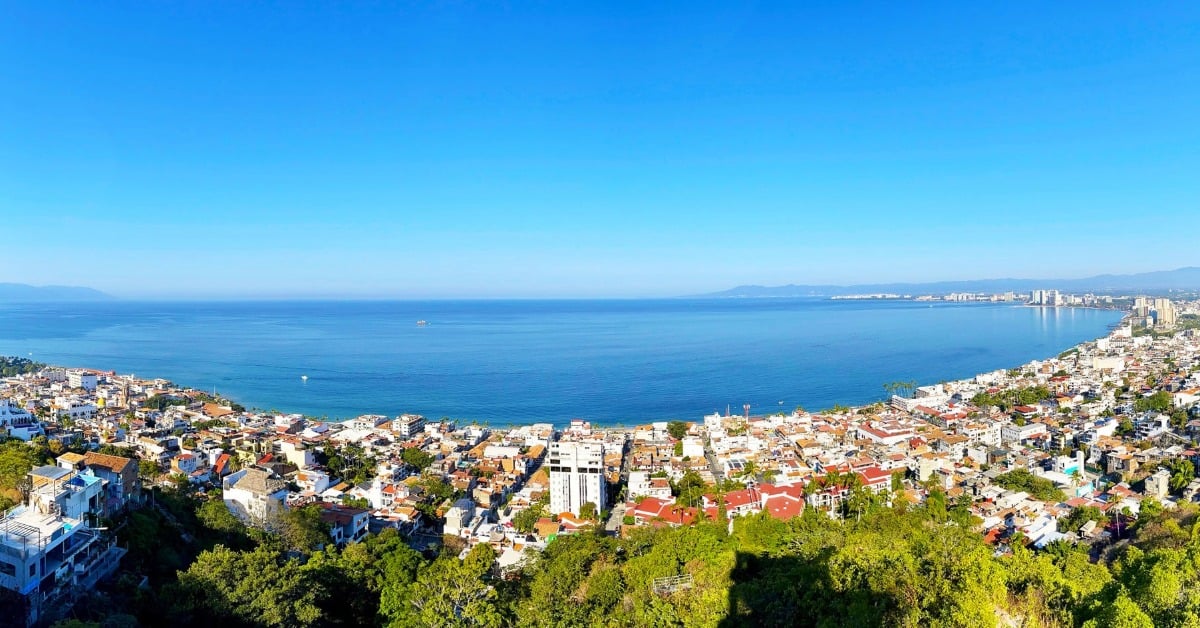
Those states matter to many foreign residents because they include markets tied to Cancún, the Riviera Maya, Puerto Vallarta, Bahía de Banderas, and other areas with strong interest from retirees, remote workers, and second-home buyers.
Aguascalientes followed with an 11.7% increase, while Tamaulipas rose 11.3%. At the lower end, Mexico City increased by 4.5%, Durango by 4.9%, Tlaxcala by 5%, and Zacatecas by 5.8%.
New and used homes both became more expensive
SHF reported that new homes rose 9.1%, while used homes increased 8.3% during the same period.
Single-family houses rose 9.2%, while condominiums and apartments increased 8.2%. The economic-social housing segment saw the sharpest rise at 11%, while the middle and residential segments rose 7.5%.
That difference is important because it shows price pressure is not limited to luxury homes or resort markets. Lower-cost housing is also becoming more expensive, affecting local workers, first-time buyers, and renters who already face limited options.
Inflation and mortgage costs remain part of the pressure
The housing increase came as annual inflation reached 4.6%, while the number of permanent workers registered with IMSS increased by 1.2% from March 2025 to March 2026.
SHF also pointed to modest economic growth, with Mexico’s GDP rising 0.1% in the first quarter compared with the same period last year.
Mortgage costs remain a major factor. Separate housing market analysis has noted that mortgage interest rates remain high enough to limit access to credit, even as broader interest rates ease. For many buyers, the issue is not only the sticker price of a home. It is the monthly payment needed to buy it.
What the numbers show for foreign residents
For expats and foreign buyers, the latest SHF figures reinforce a trend already visible in many Mexican cities and beach markets. Homes in popular areas continue to appreciate at a faster rate than general inflation.
That can benefit current owners, especially those who bought years ago. But it can also make buying harder for new arrivals, retirees on fixed incomes, and local residents competing in the same market.
In places such as Jalisco, Nayarit, and Quintana Roo, housing demand is shaped by more than local salaries. Tourism, migration, investment buying, short-term rentals, and second-home purchases can all influence prices.
The first-quarter data does not mean every neighborhood is rising at the same pace. It does show that Mexico’s formal housing market remains under price pressure, especially in states where demand is tied to population growth and tourism-driven investment.