A new development has surfaced in one of Colombia’s most infamous chapters: a drug trafficker tied to the 1994 murder of soccer star Andrés Escobar has been slain. President Gustavo Petro announced that Santiago Gallón, a figure long suspected of Escobar’s killing, was murdered in Mexico. The news has raised questions about what Gallón was doing abroad and how his violent end unfolded. It also rekindles painful memories of the tragedy that shook Colombia’s soccer world decades ago—an event that still casts a long shadow.
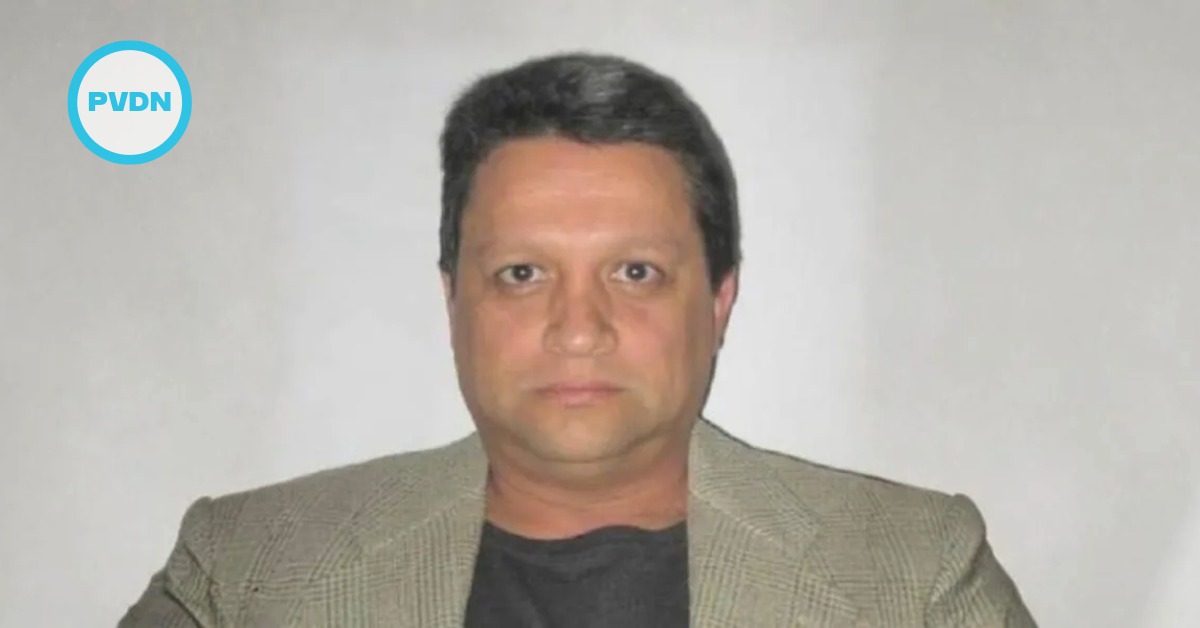
Santiago Gallón Henao – a Colombian drug trafficker accused of orchestrating the 1994 murder of soccer star Andrés Escobar – has been shot dead in Mexico. President Gustavo Petro confirmed Gallón’s killing, marking the end of a decades-old saga that entwined sports, crime, and politics.
President Petro Confirms Assassination
Petro revealed Gallón’s death publicly on Friday, stating that the former drug lord was gunned down in Mexico the day before. In a brief message on X (formerly Twitter), the Colombian leader wrote, “Yesterday they murdered Santiago Gallón in Mexico,” confirming rumors that had begun to swirl. Mexican authorities later indicated that Gallón was shot to death at a restaurant in Huixquilucan – a municipality on the outskirts of Mexico City – while he was reportedly meeting with local ranchers. The identity and motives of the assailants remain unknown. Gallón had been living in Mexico for some time, keeping a low profile despite his notorious past.
Ties to a Notorious Sports Murder
Santiago Gallón’s name is known for his connection to one of Colombia’s darkest moments in sports history. Andrés Escobar, a beloved defender for Colombia’s national soccer team, was murdered in Medellín on July 2, 1994 – just ten days after his own-goal contributed to Colombia’s elimination from the World Cup.
Gallón, a wealthy figure with suspected criminal ties, and his brother Pedro were present at the nightclub where Escobar went that night. According to investigations, the Gallón brothers confronted and taunted Escobar over the World Cup debacle. As Escobar attempted to leave, the brothers’ bodyguard, Humberto Muñoz, opened fire and shot the 27-year-old footballer six times. Escobar died from his wounds, and the murder sent shockwaves through Colombia and the international sports community. Petro has noted that Escobar’s assassination “shattered Colombia’s international image” at the time, underscoring how deeply the tragedy scarred the nation.
Limited Justice and Criminal Continuation
In the aftermath of Escobar’s killing, justice was limited. Muñoz, the gunman, confessed and received a 43-year prison sentence, but he was released after serving only 11 years. Santiago Gallón and his brother were investigated for instigating and covering up the crime. However, they avoided serious punishment, spending only 15 months in detention for their roles in concealing evidence. Many Colombians saw this outcome as a sign of the era’s impunity, where powerful narco figures often escaped full accountability.
Gallón’s criminal career did not end with the Escobar case. By the late 1990s and early 2000s, he had become a financier for right-wing paramilitary groups during Colombia’s armed conflict. He was a known supporter of the AUC (United Self-Defense Forces of Colombia), a paramilitary coalition implicated in atrocities against civilians. In 2010, Gallón was finally convicted for his paramilitary ties – but served only a short prison term of about three years. His prominence in the underworld persisted: in 2015, the U.S. Treasury Department placed the Gallón family on a blacklist for alleged involvement in “La Oficina de Envigado,” a Medellín-based crime syndicate that arose from the remnants of Pablo Escobar’s cartel. One of Santiago’s brothers, José Gallón, was even extradited to the United States in 2011 over dealings with Mexican drug lord Joaquín “El Chapo” Guzmán.
Political Connections and Life in Hiding
Santiago Gallón’s name has also surfaced in Colombian political scandals. In 2007, a rising opposition senator named Gustavo Petro publicly accused the Gallón family, along with associates of then-President Álvaro Uribe, of forming a shadowy paramilitary group called the “Bloque Metro” in Antioquia. Petro’s allegations linked Gallón to the convergence of organized crime and politics, suggesting that figures like him not only thrived in the drug trade but also influenced local power structures. Although Gallón always presented himself as a cattle rancher and businessman, his alleged ties to Uribe’s circle and to illegal militias cemented his image as a symbol of Colombia’s turbulent nexus between narco-trafficking and politics.
Facing legal heat in Colombia – he was arrested on fresh drug trafficking charges in 2018 – Gallón eventually slipped out of the spotlight. He relocated to Mexico sometime after this arrest, possibly seeking refuge or new illicit opportunities. In Mexico, he kept a low profile under the guise of ranching. Yet, as this week’s events suggest, his past was never far behind.
When President Petro announced Gallón’s assassination, he framed it as the coda of a long, notorious story. The killing of Santiago Gallón on foreign soil closes another chapter of Colombia’s narco-era lore, even as it raises fresh questions. It is unclear whether Gallón was targeted due to underworld score-settling, personal vengeance related to the Escobar case, or other criminal entanglements. Mexican investigators have not disclosed any suspects or motives, and Petro’s statement did not provide details. For Colombians, however, the demise of a figure tied to one of their most painful memories is a stark reminder of how the violent legacy of the 1990s still echoes today.
With information from N+, Colombia Reports, SWI swissinfo, Univision Noticias