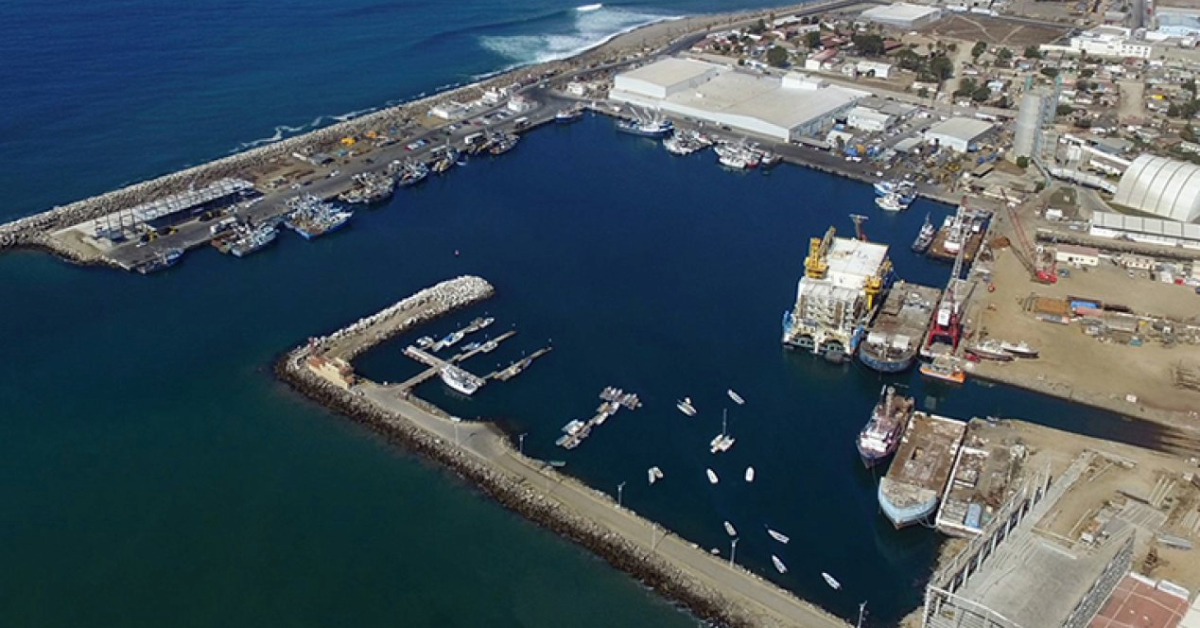
Hotel and wine leaders warn that the El Sauzal port expansion plan lacks clear mobility and zoning details and risks Ensenada’s tourist and agricultural zones.
Representatives of the hotel and wine sectors in the region have voiced concern over the planned expansion of the port at El Sauzal de Rodríguez. They say that gaps in mobility planning and territorial regulation threaten both local communities and the famed Valle de Guadalupe.
The Mexican Association of Hotels and Motels of Ensenada (AMHME) and the Baja California ProVino Committee issued statements to the press this past Thursday and Friday, respectively. Their announcements came amid protests organized by the Ensenada Digna group, which has rallied against the project in recent weeks. The plan traces back to a December 5, 2024 announcement of a 5.745 billion peso investment to overhaul both the urban port in Ensenada and the docking facilities at El Sauzal. During President Claudia Sheinbaum Pardo’s visit on Saturday, July 12, she pledged that “we’re not going to do anything that the people don’t want,” a comment both sectors now cite as a call for authorities to reassess community needs.
El Sauzal port expansion raises sector worries
In a meeting with Admiral Luis Javier Robinson Portillo Villanueva, general director of the National Port System Administration (Asipona) in Ensenada, Andrés Martínez Bremer, president of AMHME, pressed for details on how the freight railroad between El Sauzal and Tecate will integrate with the city’s infrastructure. He warned that transforming the drive into an industrial corridor could undermine the Valle de Guadalupe’s agricultural and tourist identity.
“Members of the association worry that an industrial cargo port at the city entrance will alter the landscape that visitors associate with our wine region,” Martínez Bremer said. He added that the group agreed to form roundtable discussions to track progress on both the railroad and the port expansion.
Asipona’s proposal for a 98.7‑kilometer Tecate–El Sauzal railroad would carry both general freight and tourism services. Officials tout the line as a way to boost regional connectivity, but the hotel sector remains skeptical until they see a comprehensive plan for traffic flow, environmental safeguards, and urban zoning.
Wenceslao Martínez Payán, president of ProVino, echoed these concerns in his statement. He noted that the Port of Ensenada currently handles more than 400,000 TEUs per year, straining roads and local infrastructure. Makeshift container yards have sprung up in El Sauzal and along the entrance to the Valle de Guadalupe, causing traffic jams and visual pollution in areas that once welcomed wine tourists.
He said the plan to more than triple capacity to 1.3 million TEUs annually raises “legitimate concern” among residents and businesses. Without clear investment in bypass routes, highways, and urban development, both sectors fear the expansion will squeeze the very activities that drive regional growth.
Martínez Payán stressed that ProVino does not oppose logistics development itself. “We support balanced growth, but we reject unilateral decisions that ignore the productive vocations that fuel our region,” he said. He called for a detailed mobility master plan and an inter‑institutional dialogue table to align port goals with community priorities.
Both the AMHME and ProVino committee recommend that authorities publish complementary investment plans for roads and urban planning before any construction begins. They urge a strategy that safeguards vineyards, hotels, and tourist routes while modernizing port facilities. If stakeholders can agree on a path forward, it could preserve Ensenada’s appeal as a gateway to Baja California’s top wine destination.
Ensenada, El Sauzal port expansion, Valle de Guadalupe, hotel sector, wine sector, logistics, tourism