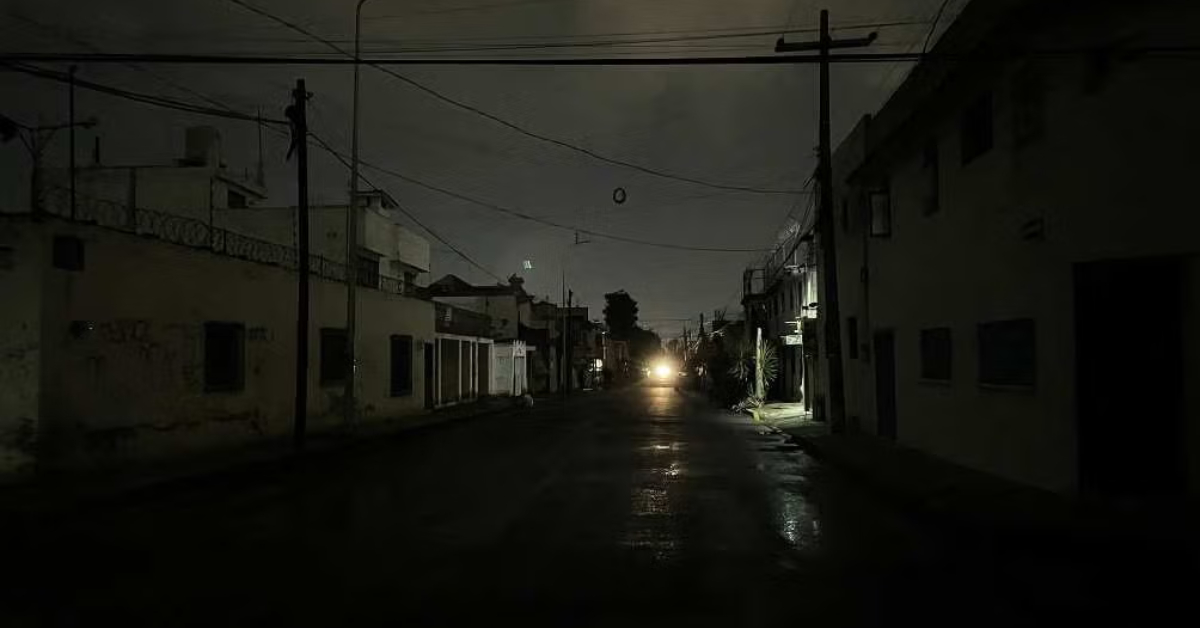
Rising electricity demand in Mexico, growing 3 percent annually, now outpaces supply as infrastructure upgrades and private investment lag.
In May 2024, blackouts left 5.8 million people without power, reigniting debate over Mexico’s capacity to meet a rising appetite for electricity. The government insists the system never teetered on collapse and remains stable. Experts, however, warn the country’s grid is on alert as demand climbs about 3 percent each year while infrastructure upgrades lag behind.
Fernando Zendejas Reyes, former Undersecretary of Electricity at the Ministry of Energy (SENER), argues public policy has hampered private investment in new generating plants. “They have slowed down private investment, calling it treason when the Federal Electricity Commission (CFE) doesn’t hold a monopoly on generation,” he says. He adds that scarce funding has gone into CFE projects that are not yet operational and into the purchase of 13 plants from Iberdrola.
Rising electricity demand in Mexico outpaces supply
Peak daily demand now reaches 53,000 megawatts, typically at night when 49 million users switch on lights, appliances and air conditioners. Until recently, the CFE could only generate 45,000 MW of that total, relying on private generators to cover the shortfall. After acquiring the Iberdrola facilities, CFE capacity now matches the peak, while private capacity has fallen to around 38,000 MW.
Emilia Calleja Alor, director of the CFE, notes, “We have a total of 92,014 MW of effective capacity across our system, with CFE accounting for 45,117 MW.” She emphasizes CFE’s central role in ensuring reliable power for homes and industry.
The government projects generating capacity will climb 31.5 percent—an additional 29,074 MW—over the six‑year term. Of those gains, 24 percent stem from unfinished projects inherited from the previous administration, 54 percent from new state‑led ventures, and only 22 percent from private players. Luz Elena González Escobar, Secretary of Energy, says Mexico has “regained control of its electrical system” and restored CFE as a cornerstone of national development and sovereignty.
Analysts call the expansion plan promising yet caution that timelines may slip and budget constraints will persist. “The targets sound positive, but not all plants will come online as scheduled,” warns one industry consultant. They urge the government to offer clearer incentives for private investment rather than relying solely on public funds.
Zendejas Reyes agrees that public budgets cannot cover every need. “Let’s not blame CFE for doing the heavy lifting when the public budget isn’t enough,” he says, urging authorities to balance state and private roles in meeting the country’s growing energy requirements.
As Mexico’s economy expands and more households gain access to electricity, pressure on the grid will only intensify. Without timely upgrades and a more open policy toward private participation, blackouts like those in May 2024 may become a recurring challenge.
blackouts, CFE, electricity demand, energy infrastructure, Mexico