What looks like salon waste became part of an environmental response this weekend in Playa del Carmen. Volunteers, stylists, and residents joined a hair collection drive tied to the Gulf of Mexico hydrocarbon cleanup effort, turning a routine haircut into a small act of marine protection. The result was more than 20 kilos collected locally, plus more from Cozumel. The story is also a window into how citizen-led environmental action works in Mexico when a coastal crisis spreads far beyond the places directly hit.
A local campaign with a national target
A weekend collection drive in Playa del Carmen gathered more than 20 kilos of hair for use in environmental cleanup linked to recent hydrocarbon contamination in the Gulf of Mexico. Organizers said the effort, called “Ayudar está de pelos,” brought together seven stylists, 12 volunteers, and 138 haircuts. They also reported collecting another 6 kilos in Cozumel.
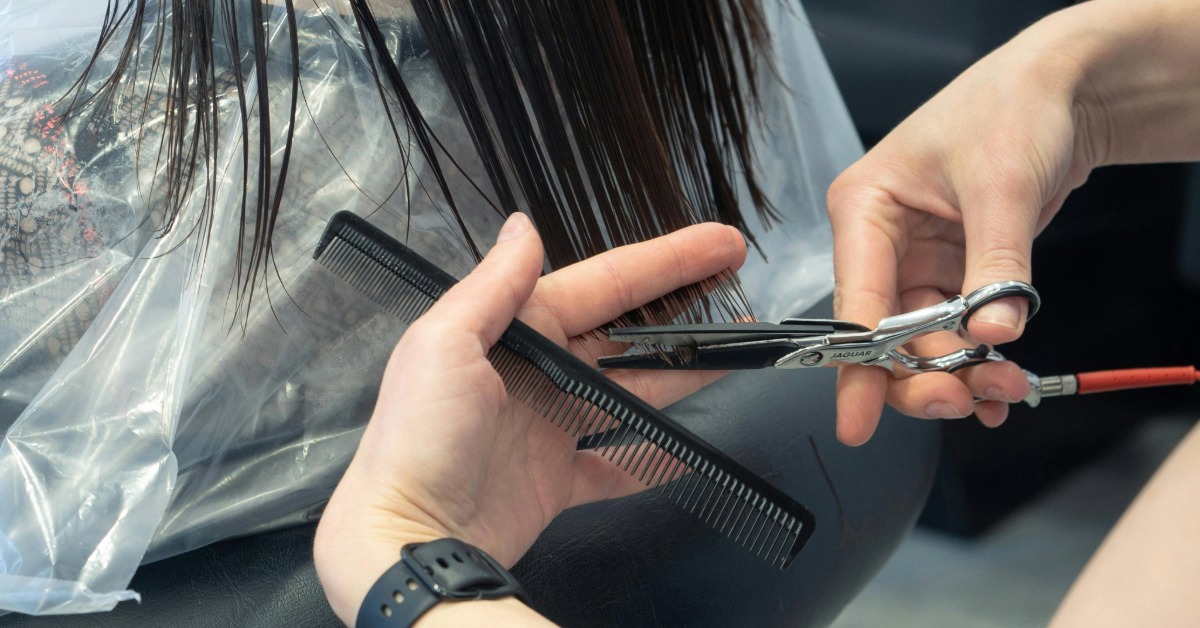
The campaign may sound unusual, but its goal is simple. Hair that would normally be discarded is being saved, packed, and turned into absorbent barriers that can help capture petroleum residues in water. Organizers framed the event as a way for residents to take part in a concrete response to an environmental problem that has mostly unfolded far from Quintana Roo, but has drawn concern across the country.
Why hair is being collected
The idea behind the campaign is that human hair can absorb oil. That property has made it useful in small-scale cleanup efforts for years. Hair is packed into tubes, mats, or mesh barriers, which can be placed where oily residue accumulates. Supporters of the method say it is accessible, biodegradable, and easy to source through salons, barbershops, and household donations.
That does not mean hair solves a spill on its own. Large marine contamination events still require heavy equipment, monitoring, containment barriers, inspections, and official cleanup teams. What hair collection offers is a low-cost support material that citizens can quickly help supply. In that sense, the Playa del Carmen drive was less about symbolism than logistics. It turned a public call for help into a stockpile of material that can be used in a targeted way.
The wider Gulf emergency behind the effort
The Playa del Carmen collection is part of a broader civic response to the Gulf contamination reported since early March. Federal authorities activated contingency protocols after hydrocarbons were detected on beaches in Veracruz and Tabasco. Later, officials said the contamination was tied to three sources: an illegal discharge from a ship under investigation, plus two natural hydrocarbon seeps near Coatzacoalcos and Cantarell.
That official explanation matters because it shows why the cleanup has been complicated. This has not been presented as a single, neatly defined event with a single confirmed source and a single cleanup front. It has involved shoreline monitoring, containment work, inspections, and a continuing effort to determine responsibility where possible. For readers outside the Gulf states, that background helps explain why hair drives have appeared in cities and towns far from Veracruz beaches. The response has spread because the concern has spread.
Why this matters in Playa del Carmen
For Playa del Carmen, the story lands in a place where marine health is never abstract. Coastal communities in Quintana Roo live with repeated debates over beaches, reefs, runoff, waste, and the tourism economy that depends on clean water and public confidence. Even when the contamination is not local, the subject is familiar. Residents understand that once marine ecosystems are under pressure, the economic effects can travel faster than the pollution itself.
That helps explain the response. A haircut campaign is easy to join. It asks for little, avoids partisan language, and gives people a visible way to participate. It also connects everyday life to a larger environmental chain. Something as ordinary as salon clippings becomes part of a discussion about shipping, fossil fuels, marine monitoring, and coastal protection. For international readers, that may be the most useful takeaway. In Mexico, environmental response is often not only institutional. It is also intensely local and community-driven.
What happens next
Organizers said the campaign in Playa del Carmen will continue through April 25, with donations accepted at the café inside Parque La Ceiba in the Ejido neighborhood. They asked that hair be clean, dry, and stored in good condition. They also said pet fur can be donated.
Whether the material collected in Quintana Roo makes a large practical difference will depend on how it is processed and where it is ultimately deployed. But the immediate result is already clear. The event turned public concern into measurable participation. More than 20 kilos in one weekend is not a cleanup by itself. It is evidence that a coastal city better known for tourism can also mobilize around a wider environmental emergency.