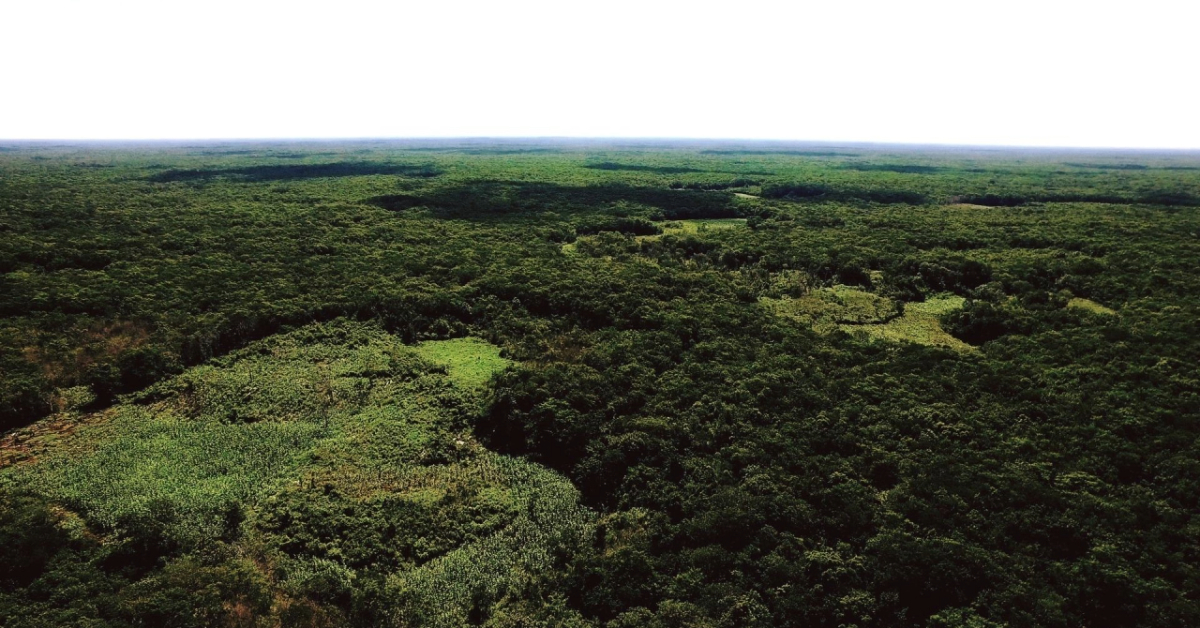
Earlier this month, the Federal Attorney for Environmental Protection (Profepa) announced it has begun filing criminal charges against several Mennonite communities for the unauthorized clearing of more than 2,600 hectares of native forest in the Yucatán Peninsula. Inspectors uncovered large stretches of clear‑cut land during operations from late May through mid‑June, prompting Profepa to refer seven cases to the Special Prosecutor’s Office for Environmental Crimes (FEIDA).
Mennonite illegal forest clearing investigation
Between May 28 and June 14, Profepa agents combed properties across Campeche, Quintana Roo and Yucatán, using aerial surveys and on‑the‑ground inspections to document widespread removal of trees and undergrowth. At least 39.6 hectares in Tekax, Yucatán, were subject to immediate closure after investigators found leveled soil and heavy‑machinery tracks. Overall, the agency identified seven sites where unauthorized land‑use changes violated environmental protection laws.
Profepa’s findings included the clear‑felling of protected species such as mahogany, Florida thatch palm (Thrinax radiata) and rare orchids like Zumaia loddigesii. The agency also confiscated over 108 square meters of round and squared timber. In a joint statement, Profepa and FEIDA confirmed two criminal complaints have already been lodged, with five more to follow as evidence collection concludes.
Environment Minister Alicia Bárcena has condemned the scale of destruction, calling it “a very serious environmental problem” for the peninsula. Bárcena noted that some community members resisted inspections—and in some instances, even brandished weapons—to prevent officials from accessing their lands. Quintana Roo’s environment chief, Óscar Rébora, said his office is preparing an eighth case and exploring strategies to evict offenders and restore the damaged areas.
Why it matters
- Ecosystem loss: Clearing 2,600 ha in one operation threatens biodiversity and disrupts wildlife corridors.
- Legal precedent: Criminal complaints mark a shift from administrative fines to potential prison sentences and property confiscation.
- Community impact: Illegal clearing can devastate local apiaries; Profepa linked heavy pesticide use to recent mass bee die‑offs.
The Mennonite population in southeastern Mexico has expanded from traditional settlements in Chihuahua into new ranching and farming areas, often clashing with conservation priorities. Authorities say the expansion has accelerated in recent years, with some groups clearing jungle to plant crops and pasture cattle—activities requiring explicit land‑use permits.
In parallel, Semarnat (the Environment Ministry) has launched a program with Indigenous and apiarist groups to bolster bee protection amid concerns that pesticide runoff from cleared lands is contributing to die‑offs. Officials stress that while certain agrochemicals are legal, their unregulated application in deforested zones poses grave risks to soil health and pollinators.
Legal experts note that if those responsible are convicted under Mexico’s environmental laws, they face prison terms, steep fines and potential loss of property rights. The cases will test the government’s resolve to enforce protections in the face of powerful agrarian interests.
For local communities and environmental advocates, Profepa’s move signals that Mexico will prosecute large‑scale habitat destruction, not just issue administrative sanctions. As recovery plans and eviction strategies take shape, the focus now shifts to rehabilitation efforts—from replanting native tree species to repairing soil and reintegrating displaced wildlife.
By pursuing criminal charges instead of only administrative penalties, federal authorities aim to deter future clear‑cutting and reinforce the principle that no group—regardless of cultural or religious background—is above environmental law. Ultimately, the Mennonite illegal forest clearing cases will set a benchmark for how Mexico balances rural development with the urgent need to conserve rare tropical ecosystems.