Mexico’s coastlines are among the country’s strongest economic assets, drawing tourists, cruise ships, real estate investors, and energy companies. But each new project also raises a difficult question: who protects the coast when development outpaces local trust? A new federal rule on marine seismic exploration and the continuing dispute over Royal Caribbean’s Mahahual project show how environmental review, permits, courts, and community pressure now shape the future of Mexico’s beaches, mangroves, reefs, and marine wildlife.
[adinserter block=”3″]
Mexico’s Coastlines Are Becoming a National Test
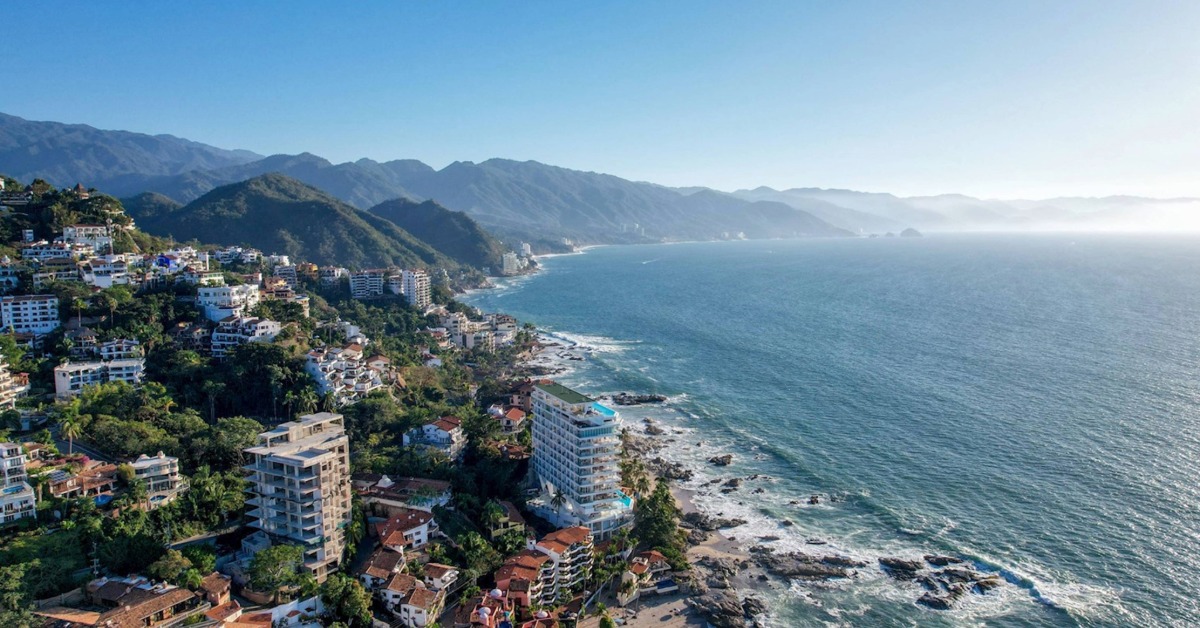
Mexico’s coasts have long carried a large share of the country’s economic promise. They support fishing communities, cruise ports, beach towns, resort corridors, energy exploration, and some of the country’s most valuable real estate.
They also contain fragile systems that do not recover quickly when damaged. Mangroves, dunes, reefs, seagrass beds, turtle nesting beaches, and marine wildlife habitats all help hold the coast together. They protect communities from storm surge, support fisheries, filter water, and keep tourism destinations attractive.
That is where the conflict begins.
When a major project arrives, it often comes with the language of investment, jobs, tax revenue, and regional development. Those benefits can be real. Tourism and energy are major parts of Mexico’s economy, and coastal towns often need better infrastructure, better employment, and more public services.
But many coastal communities have also seen projects approved with little public understanding, limited consultation, or weak enforcement after the permits are granted. For residents, the issue is not always development itself. It is whether the rules are clear, whether the public has a voice, and whether environmental promises are enforced once the machinery arrives.
That question is now visible on two fronts.
The first is offshore, where Mexico has published a new rule for marine seismic exploration tied to hydrocarbons. The rule is meant to reduce risks to marine mammals, turtles, and sharks during the search for possible oil and gas reserves.
The second is on land, in Mahahual, Quintana Roo, where Royal Caribbean’s planned Perfect Day Mexico project has become a case study in coastal tourism, court challenges, land-use decisions, environmental objections, and the future of cruise development.
Together, they show a broader national issue. Mexico has environmental laws and agencies. It has review processes and technical rules. It has courts that can pause or restart projects. But many residents still feel the system is hard to follow, slow to explain, and often tilted toward big investors.
The New Offshore Rule Adds One More Layer of Protection
Mexico’s new NOM-021-ASEA-2026 applies to marine seismic surveys used for surface recognition and hydrocarbon exploration.
Seismic exploration is not drilling. It is a method used to study what may be under the seabed. In simple terms, vessels generate acoustic energy that travels through the water and into geological layers below. The reflected signals help companies and regulators understand whether an area may contain oil or gas.
That process can be disruptive because sound travels far underwater. Marine animals use sound to navigate, hunt, communicate, avoid predators, and migrate. High-intensity acoustic activity can cause stress or confusion, especially when surveys are conducted near sensitive species or protected areas.
The new rule sets requirements for industrial safety, operational safety, and environmental protection during marine seismic work. Its stated purpose is to reduce risks to marine life, with special attention to cetaceans, marine turtles, and certain shark species.
The rule requires operators to analyze risks tied to equipment, logistics, and operations. It also requires additional care near Protected Natural Areas, including acoustic-model-based exclusion zones.
Another key point is vessel behavior when protected species are detected. Support vessels must maintain a minimum distance from the species when possible, unless doing so would pose a greater safety risk to the vessel or crew. If a collision or incident occurs, the operator must report details such as the vessel type, speed, heading, whether the operation was underway, and the preventive measures used.
For readers outside the energy sector, the rule may sound technical. But its importance is broader. It shows how Mexico is trying to regulate not only visible coastal construction, but also offshore activities that can affect wildlife before any oil platform or drilling project exists.
It also shows the limits of technical regulation. A rule can set standards, but its real value depends on monitoring, reporting, enforcement, and public confidence.
Tourism Projects Face a Different Kind of Scrutiny
On land, the pressure is different. Tourism projects often affect the coast through construction, zoning, traffic, water use, wastewater, beach access, mangrove alteration, and increased visitor volume.
Mahahual is one of the clearest examples right now.
The town sits on the Caribbean coast of Quintana Roo, south of better-known tourism centers such as Cancún, Playa del Carmen, and Tulum. For years, Mahahual was smaller and quieter than the northern Riviera Maya corridor. It is also linked to the Costa Maya cruise port, making it an important stop for cruise tourism.
Royal Caribbean’s planned Perfect Day Mexico would take that cruise model to a larger scale. The company’s promotional materials describe a major private-destination experience scheduled to open in fall 2027, featuring water slides, pools, beaches, dining areas, and bars.
For the company and supporters, the project represents investment, jobs, and a chance to bring more visitors to southern Quintana Roo. For critics, it raises questions about land use, mangroves, water, sewage, public access, and whether a small coastal community can absorb a project designed around large visitor flows.
The dispute has already moved through the courts.
Earlier this year, a federal judge temporarily suspended land-use changes linked to the project after an amparo filed by the civil association Defendiendo el Derecho a un Medio Ambiente Sano. That challenge argued that the local land-use changes were approved without sufficient public consultation and could affect mangroves, water availability, and local infrastructure.
A later ruling lifted one legal barrier, allowing the project to clear an important court hurdle. But that does not settle every environmental or community question. Large projects often require several layers of authorization, and court rulings may address specific legal acts rather than the full environmental picture.
That is why Mahahual has become more than a local dispute. It is now part of a larger debate over who controls the future of Mexico’s coastline.
[adinserter block=”3″]
How Environmental Review Works in Mexico
Mexico’s main federal environmental review process is the Manifestación de Impacto Ambiental, usually known as the MIA.
A MIA is meant to identify what a project may do to the environment before it moves forward. It can include information about vegetation, wildlife, water, land use, waste, emissions, risk, mitigation measures, and possible alternatives.
For many coastal projects, the key federal agency is Semarnat, the Ministry of Environment and Natural Resources. Semarnat reviews environmental impact filings and can authorize, deny, or approve a project with conditions.
Another federal agency, Profepa, handles environmental inspection and enforcement. In basic terms, Semarnat evaluates and authorizes. Profepa inspects and can impose sanctions when projects lack authorization or violate environmental rules.
For hydrocarbons, ASEA has a specialized role. It regulates industrial safety, operational safety, and environmental protection for the hydrocarbon sector. That is why ASEA, not a tourism agency, is behind the new marine seismic exploration rule.
Municipal governments also play an important role, especially through zoning, land-use plans, construction permits, and local development programs. That is where conflicts often begin. A project may receive local land-use support before the public fully understands what the federal environmental review will require.
Courts can enter the picture through amparo lawsuits. These cases can challenge government acts when residents, organizations, or affected parties argue that rights or legal procedures were violated. In environmental disputes, amparo cases can lead to temporary suspensions, longer pauses, or rulings that force authorities to revisit decisions.
The system is not simple. A project can be locally approved but still needs federal environmental review. It can win one court ruling but still face other permit questions. It can promise mitigation but still be challenged over water, sewage, public access, or wildlife.
That complexity is one reason communities often feel sidelined. By the time a project is publicly visible, many decisions may already have been made in technical filings, municipal votes, or agency procedures that most residents never saw.
[adinserter block=”3″]
Why Mangroves Keep Appearing in These Disputes
Mangroves are central to many coastal fights in Mexico because they sit exactly where developers often want to build: between land and water.
They are also protected for a reason.
Mangroves help stabilize shorelines, reduce erosion, absorb storm surge, support fish nurseries, and filter water. When mangroves are cut, filled, isolated from water flow, or surrounded by poorly planned development, the damage can spread beyond the footprint of a single project.
Mexico has a specific federal standard, NOM-022-SEMARNAT-2003, focused on coastal wetlands in mangrove areas. The rule is meant to guide sustainable use, prevent deterioration, and support conservation and restoration.
In practice, mangrove protection is one of the most contested parts of coastal development. Developers may argue that a project avoids mangrove areas, restores damaged mangroves, or improves wastewater systems. Residents and environmental groups may argue that indirect impacts still matter, including changes in water flow, runoff, road access, visitor pressure, or nearby construction.
This is why the public often hears two very different versions of the same project.
One side may emphasize jobs, investment, modern infrastructure, and environmental mitigation. The other may focus on ecosystems, public access, local water systems, and the risk that once a coastline is transformed, it cannot easily be restored.
Both sides may use the language of sustainability. The real question is whether the permits, studies, inspections, and public process are strong enough to prove it.
Coastal Wildlife Is Part of the Same Debate
The new seismic rule focuses attention on marine wildlife offshore, but the same concern exists on beaches and wetlands.
Mexico’s coastal wildlife includes whales, dolphins, sea turtles, sharks, rays, crocodiles, shorebirds, and reef species. Some are directly protected. Others depend on protected or regulated habitats.
Turtle nesting beaches are a common flashpoint. Even when a project does not remove a nesting area outright, construction lights, heavy machinery, beach reshaping, foot traffic, noise, and obstacles can affect nesting and hatchling survival.
Marine mammals face different pressures offshore. They may be affected by ship traffic, collisions, noise, fishing gear, and industrial activity. Seismic exploration is one part of that risk picture.
Sharks are also part of the new rules’ focus. That matters because shark protection is often discussed in the context of fishing, but industrial activity and habitat disruption can also affect marine ecosystems.
For many readers, the wildlife question may seem separate from tourism. It is not. Mexico’s beach destinations sell access to nature, even when the marketing uses polished resort language. Clear water, reefs, turtles, whales, beaches, and mangroves contribute to the economic value.
When those systems decline, tourism also becomes more fragile.
The Public Beach Question Has Not Gone Away
Mexico’s beaches are public, but public access remains one of the most common complaints in coastal communities.
The legal idea is straightforward. The Zona Federal Marítimo Terrestre, known as Zofemat, is the federal maritime-terrestrial zone along the coast. It is generally understood to be a 20-meter strip of firm, passable land next to the beach.
In practice, access can become complicated when hotels, private developments, marinas, restaurants, clubs, walls, gates, or security posts control the land behind the beach. A beach can be public on paper, but hard to reach in real life.
This issue is not limited to one coast. It appears in the Caribbean, the Pacific, the Gulf, and Baja California. In some places, residents say access has slowly narrowed over the years. In others, a single project can trigger a larger argument about whether a community is being pushed away from its own shoreline.
That is why coastal disputes often expand beyond environmental permits. They become arguments about identity, memory, fairness, and the right to use public space.
For expats living in Mexico, this can be easy to miss at first. A beach club, resort gate, or private access road may look normal from the outside. But for local families, fishermen, guides, and small businesses, access can be tied to work, culture, and daily life.
[adinserter block=”3″]
Jobs and Protection Are Often Framed as Opposites
Developers and public officials often argue that major projects bring employment and infrastructure. Environmental groups often argue that damage to ecosystems can create long-term costs.
Those arguments are usually framed as opposites. In many coastal towns, that framing does not help.
Residents may want jobs and environmental protection. They may want tourism without losing beach access. They may support investment but oppose rushed land-use changes. They may want better wastewater systems, but distrust a project that uses infrastructure promises to justify larger construction.
The real issue is not whether Mexico should develop its coastlines. It already has, and it will continue to do so. The issue is what kind of development is allowed, who benefits, who pays the environmental cost, and who has a meaningful voice before decisions are locked in.
A stronger process would not treat community concerns as an obstacle. It would treat them as evidence that a project needs better explanation, better design, or stronger safeguards.
That is especially important in smaller coastal towns. Large projects can change land prices, rents, water demand, traffic, local businesses, and political power. Even when jobs arrive, a town’s social balance can shift quickly.
Courts Can Pause Projects, But They Cannot Replace Planning
The Mahahual case shows the growing role of courts in coastal development disputes.
An amparo can slow or suspend a project, at least temporarily. It can force authorities to answer legal questions. It can give communities time to organize and make their arguments. It can also expose weak points in how local or federal decisions were made.
But courts are not planning agencies. They usually rule on specific legal questions, deadlines, rights, procedures, or government acts. A project clearing one court hurdle does not automatically mean all environmental concerns disappear. A project being paused by a court does not automatically mean it is illegal in every respect.
This can create confusion for the public.
One ruling may be reported as a major win for opponents. Another may be reported as a major win for the company. Both can be true in narrow legal terms. But the broader question remains: has the project met every environmental, urban planning, water, access, and community obligation?
That is why court coverage should be careful. A legal setback is not always the end of a project. A legal victory is not always a clean bill of health.
[adinserter block=”3″]
The Larger Pattern Along Mexico’s Coasts
The same pattern appears again and again.
A project is announced. It promises investment and jobs. Residents begin asking about permits, water, access, wildlife, or land use. Authorities say the project must follow the law. Environmental groups file complaints or lawsuits. Courts pause or allow parts of the process. Agencies inspect, authorize, sanction, or request more information. Public trust rises or falls depending on what happens next.
This pattern now stretches across tourism, real estate, port expansion, beach clubs, cruise infrastructure, marinas, energy exploration, and public works.
The new ASEA rule shows one response to that pattern: create clearer technical rules before harm occurs. The Mahahual dispute shows another: communities and civil groups using legal pressure after they believe the planning process has failed them.
Both approaches matter. But neither works well without transparency.
For readers, the most important thing is to watch the process, not only the announcement. A glossy project launch does not answer environmental questions. A protest does not automatically prove a violation. A court ruling may settle only one piece of the dispute. The details are usually in permits, impact studies, land-use plans, inspection records, and enforcement decisions.
What To Watch Next
The next stage in Mexico’s coastal development debate will likely involve three questions.
The first question is whether the new marine seismic rule is enforced visibly. Operators will have time to adapt, but the public will need to see whether risk analysis, acoustic modeling, exclusion zones, incident reporting, and species protections become more than paperwork.
The second is whether Mahahual’s development process becomes clearer. Royal Caribbean’s project is large enough to shape the future of the Costa Maya corridor. That means residents, local businesses, environmental groups, and authorities will continue to monitor land-use approvals, environmental permits, water infrastructure, mangrove protections, and public access.
The third is whether Mexico can move away from project-by-project conflict and toward stronger coastal planning. Environmental review should not only ask whether one project can reduce its impact. It should also ask how many projects a coastline can absorb before the destination changes beyond recognition.
That is the question behind many local disputes. It is not only about one cruise park, one resort, one beach club, or one offshore survey. It is about whether Mexico can protect the natural systems that make its coastlines valuable in the first place.
Tourism, energy, and coastal development will remain part of Mexico’s future. The challenge is to ensure the coast is not treated as only empty space waiting for investment.
It is a habitat. It is public land. It is a local livelihood. It is climate protection. It is memory. And once it is damaged, it is rarely easy to put back together.
[adinserter block=”3″]