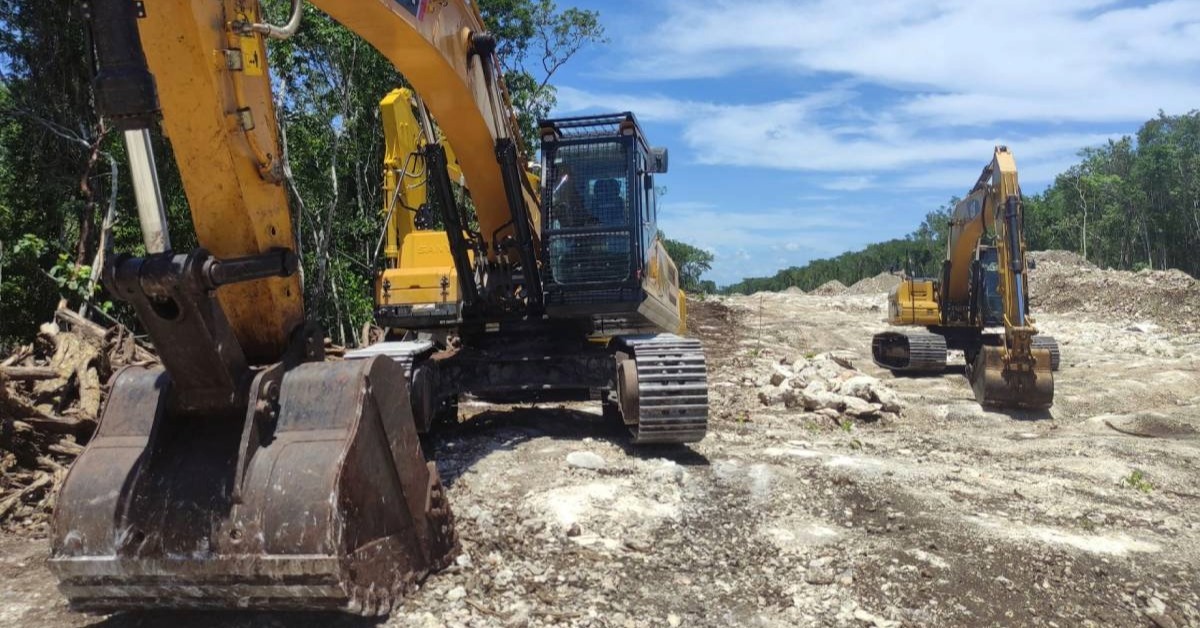
A local protest at Las Cocinas beach has turned a small stretch of Nayarit coastline into a larger test of beach access, turtle protection, and luxury development in Mexico. Residents from Punta de Mita and Emiliano Zapata say construction activity has damaged an area used by nesting turtles. Authorities now face questions about permits, environmental review, and who gets to decide the future of one of Riviera Nayarit’s most contested beaches.
Residents protest work at Las Cocinas beach
Residents of Punta de Mita and Emiliano Zapata protested this week over alleged damage at Las Cocinas beach, a coastal area in Bahía de Banderas, Nayarit, used by nesting sea turtles.
The protest centers on work linked to Cantiles de Mita, a company tied to Grupo Dine’s luxury development plans in Punta Mita. Residents say machinery has removed rocks, earth, and sand from the beach area. They also allege damage near nearby estuaries, including reported mangrove cutting.
The dispute is now about more than one construction site. For local residents, Las Cocinas is a fishing area, a community beach, and part of the public coast. For developers, Punta Mita remains one of Mexico’s strongest luxury real estate markets.
That tension has made the beach a flashpoint.
[adinserter block=”3″]
Why Las Cocinas matters
Las Cocinas is not only a scenic beach near Punta de Mita. Residents describe it as an area where turtles nest and where local families have long had access to the coast.
That matters because sea turtle nesting beaches are protected under Mexican environmental rules. Mexico’s NOM-162-SEMARNAT-2012 sets standards for protecting turtle populations in their nesting habitat. These rules are meant to reduce disruption to nesting, eggs, and hatchlings.
For international readers, the issue may sound familiar. Beach towns across Mexico often promote nature as part of their tourism appeal. At the same time, construction, restricted beach access, and high-end development can create conflicts with local communities.
In Punta de Mita, that conflict is especially visible. The area is known for gated communities, resorts, and luxury homes. But nearby towns still depend on the same coastline for fishing, family use, and local identity.
[adinserter block=”3″]
The permit question now driving the dispute
The most serious question is whether the work had the required environmental authorization.
State environmental officials acknowledged during a meeting with residents that the company did not have a Manifestación de Impacto Ambiental, commonly called an MIA, according to the accounts now central to the dispute. Authorities said the work was being carried out under an emergency work notice.
That explanation did not satisfy residents. They asked what the emergency was and why work was taking place in such a sensitive coastal zone.
An MIA is not a minor formality. It is the technical environmental study used to evaluate how a project may affect land, water, wildlife, and surrounding ecosystems. It also lays out prevention and mitigation measures before work proceeds.
For coastal projects, that process can be especially important. Beaches, dunes, mangroves, and estuaries often function together. Damage in one part of the system can affect erosion, water flow, wildlife habitat, and public access.
Turtle nesting adds legal and environmental weight
The turtle issue gives the conflict a wider environmental dimension.
Mexico is one of the world’s important countries for sea turtles. Six of the seven sea turtle species in the world are found in Mexican waters or along Mexican coasts. Riviera Nayarit also has a long history of turtle protection work, including turtle camps and hatchling releases.
Turtles are vulnerable during nesting. Heavy machinery, lighting, compacted sand, altered slopes, and physical barriers can affect where turtles nest and whether hatchlings reach the ocean.
That does not mean every beach project automatically violates the law. But it does mean work in a nesting area requires careful review, clear permits, and visible enforcement.
That is why residents are pushing for more than a verbal explanation. They want the company to show which authorizations it has and to repair any already-caused damage.
[adinserter block=”3″]
A beach access fight beneath the environmental fight
The Las Cocinas protest also reflects a broader issue in Mexico: public access to beaches.
Under Mexican law, beaches and the adjacent federal maritime zone are public areas. Access cannot be blocked or conditioned except in specific legal circumstances. In practice, however, beach access disputes continue in many resort areas.
Residents say Las Cocinas is at risk of becoming functionally privatized. That concern is tied to how luxury projects can change access even when a beach remains legally public. A road can be narrowed. A path can become unclear. Security can make people feel unwelcome. Construction can make access difficult or unsafe.
For locals, those changes can turn a public right into a paper right.
For foreign residents and visitors, this is also worth understanding. Mexico’s beaches are not private in the way some visitors may assume from resort marketing. The legal framework treats them as national public property, even when hotels or homes sit beside them.
[adinserter block=”3″]
The luxury project behind the pressure
Grupo Dine has been expanding its footprint in the Punta Mita development for years. Public project materials describe Punta Mita as a large master-planned coastal community with golf, resorts, and residences.
The broader development plan includes the Montage and Pendry brands. Public announcements have described a major investment, new hotel rooms, and branded residences, with openings planned for 2027.
Supporters of these projects often point to jobs, investment, and tourism growth. Those arguments carry weight in regions where hospitality is a major employer.
But residents argue that economic benefits do not erase environmental duties. They also say development should not come at the cost of local access to beaches, fishing areas, and coastal ecosystems.
That is the core conflict at Las Cocinas. It is not simply development versus no development. It is about whether development follows the rules before the coast is changed.
[adinserter block=”3″]
Authorities face pressure to clarify the record
The next step is likely to depend on what federal, state, and municipal authorities make public.
Residents are asking for clear answers on permits, environmental review, beach access, and restoration. They also want to know whether any work occurred in the Zona Federal Marítimo Terrestre, the federal maritime land zone next to the beach.
PROFEPA, Mexico’s federal environmental enforcement agency, can inspect environmental compliance. SEMARNAT has authority over federal environmental review and the federal maritime zone. Municipal authorities also play a role in construction permissions and local land-use matters.
The public record needs to answer several basic questions. What exact works were authorized? What permits exist? Was an MIA required? Did any activity affect turtle nesting habitat, mangroves, dunes, or estuaries? Will public access remain open and usable?
Until those questions are answered, the dispute is likely to continue to grow.
[adinserter block=”3″]
Why this story matters beyond Punta de Mita
Las Cocinas is a local beach, but the issue is national.
Mexico’s coast is under pressure from tourism, real estate, and climate risks. Many communities welcome investment, but they also worry about losing access to beaches, water, and public space. In resort regions, those fears often rise when luxury housing is marketed to outside buyers.
For expats and foreign homeowners, the story is a reminder that beach life in Mexico is tied to local communities and federal law. The coastline is not only a backdrop for tourism. It is also a habitat, workplace, and shared public space.
The Las Cocinas case will now test whether authorities can enforce those principles in a place where land values are high and development pressure is intense.
For residents of Punta de Mita and Emiliano Zapata, the demand is direct: stop the damage, show the permits, and protect the beach before the nesting season becomes another casualty of coastal growth.