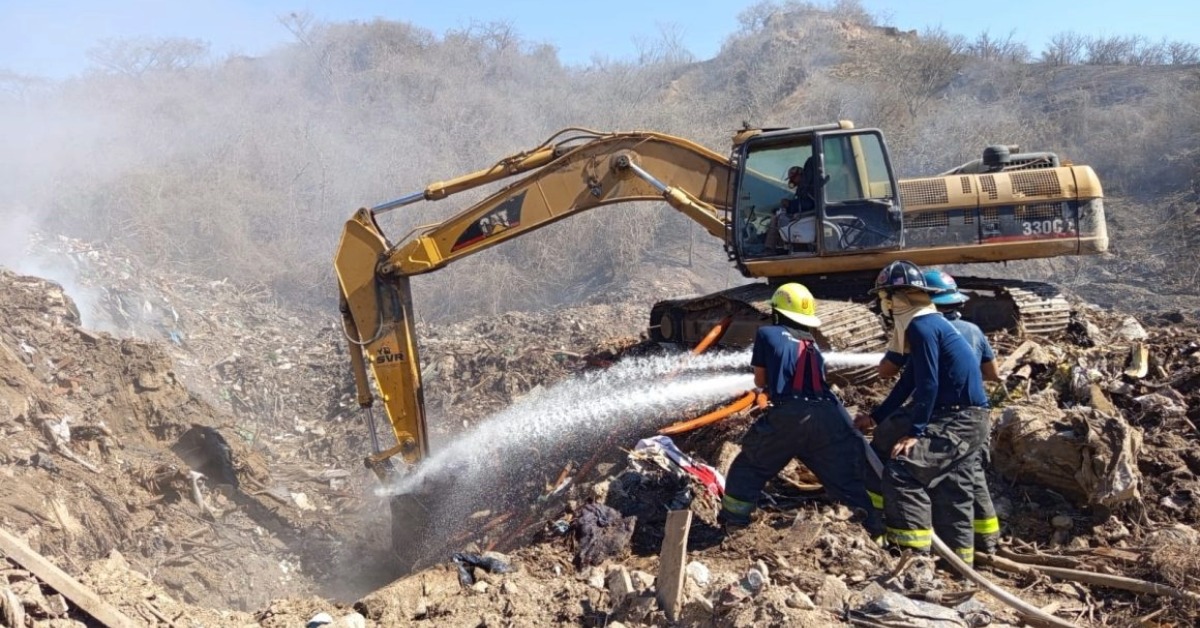
The Llano Grande wildfire in Cabo Corrientes left an estimated 3,000 hectares affected before authorities declared the emergency fully extinguished. Municipal civil protection officials said the fire began on April 10 in the Llano Grande de Ipala area and spread under difficult weather conditions. Extreme heat, strong winds, dry ground, and a heavy buildup of dry vegetation all worked against crews during the response.
For many readers outside rural Jalisco, that number may need context. Three thousand hectares is about 30 square kilometers, or roughly 7,400 acres. That does not necessarily mean dense forest was lost across the entire burn scar. Fire in western Mexico often moves through mixed terrain that includes low tropical vegetation, pasture, and brush. Even so, the size alone shows this was not a minor local flare-up. It was a major regional wildfire that demanded days of sustained work.
How the fire spread and why it came back
Authorities said the fire started in an area that had already seen burns in March, which meant the municipality was dealing with a familiar risk before this latest emergency took hold. As the blaze expanded, officials reported that it moved through the Arroyo Seco-Llano Grande zone and later toward Chacala, forcing crews to work across changing terrain and shifting fire behavior. Earlier reports during the week described an operation involving more than 100 brigadistas, while the final account described a coordinated effort involving about 90 combatants.
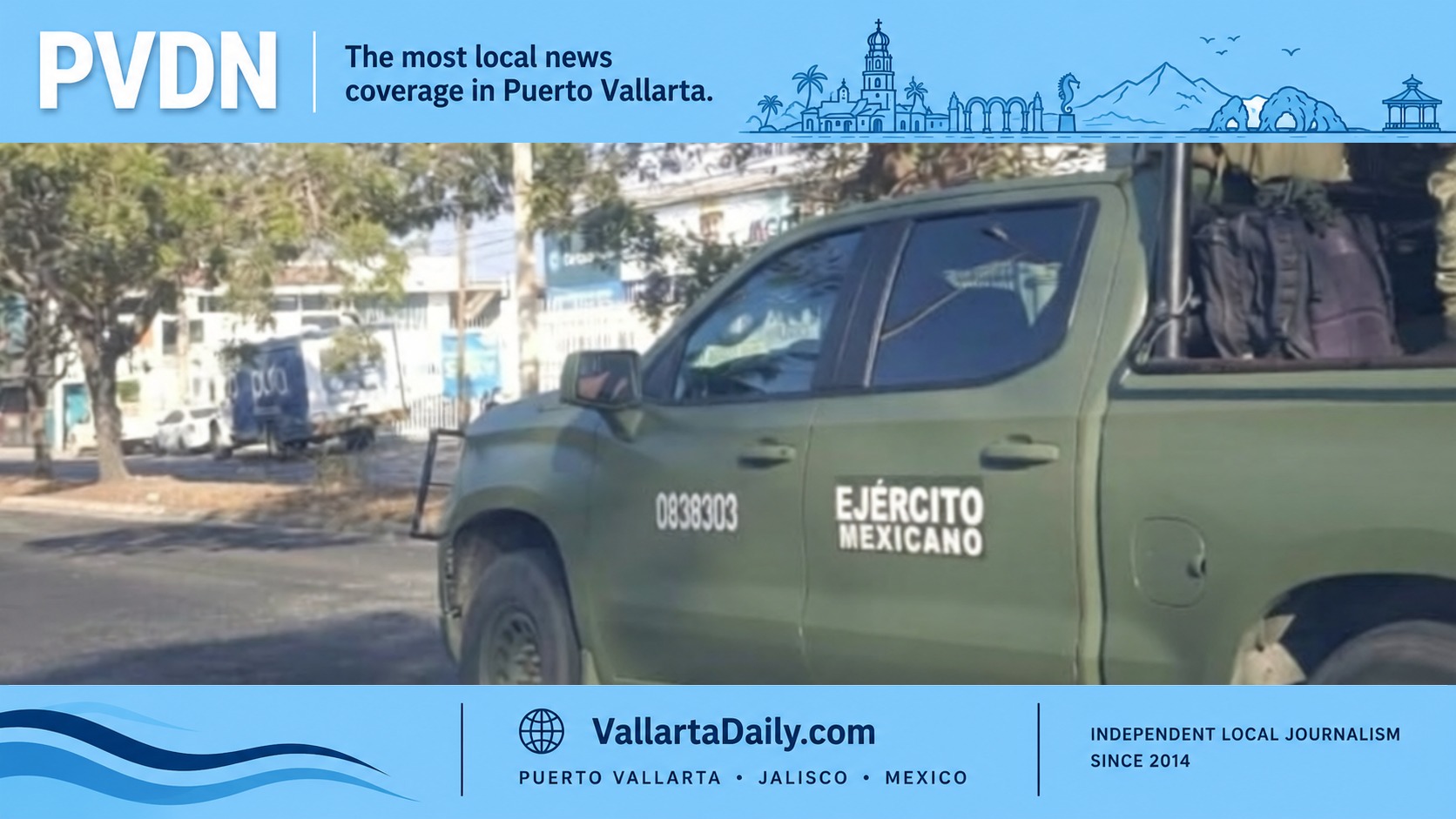
The response brought together municipal and state civil protection, fire-management specialists, Conafor brigades, and personnel from the Secretaría de la Defensa Nacional based in Tomatlán. Air support also played an important role. Authorities said the Witari helicopter was used to reach difficult areas, move personnel, and support containment efforts from above. In a fire zone with rough access, that kind of support can make a real difference. It reduces travel time, improves crew positioning, and helps attack hard-to-reach hotspots on foot.
By April 15, officials said the fire had reached 75 percent control. That suggested progress, but not full security. Control means crews have contained most of the fire perimeter. It does not mean the threat is gone. According to the municipal account, the blaze had been controlled on April 17 but was reactivated due to high temperatures, strong winds, and very dry conditions. That detail matters. It helps explain why wildfires in the region can remain dangerous even after authorities report major advances.
The fire was later declared fully extinguished on April 19. That closed the emergency phase, but it also underscored how fragile progress can be during the hottest and driest part of the season. A wildfire that appears nearly finished can regain strength when fuel is dry, and winds shift. For residents and property owners in coastal and rural municipalities, that is often the hardest part of following these stories. A fire can seem contained one day and return the next.
Why this mattered beyond Cabo Corrientes
Although the burn area was in Cabo Corrientes, the story had significance beyond one rural municipality. Earlier in the emergency, smoke from wildfires in the area was serious enough for authorities to activate an atmospheric alert in Cabo Corrientes and Tomatlán. That is the point at which a fire stops being only a land-management issue and becomes a broader public concern. Smoke can affect visibility, outdoor activity, air quality, and daily routines in communities that are not directly in the burn zone.
That wider impact is especially relevant in the Puerto Vallarta-Bahía region, where local economies depend on mobility, tourism, and outdoor life. A wildfire south of the bay may still affect people who never see flames firsthand. They may notice haze, a burning smell, or warnings about outdoor exposure. For international residents and visitors, that can be confusing. A fire may sound distant on paper, but the practical effects can travel well beyond the origin point when wind carries smoke across the coast.
What this says about Mexico’s 2026 fire season
The Cabo Corrientes fire is also part of a larger national pattern. Mexico’s 2026 wildfire season has already been intense. Federal weekly data through April 16 showed 2,565 forest fires and more than 132,500 hectares affected nationwide. That context does not reduce the importance of what happened in Llano Grande. It does the opposite. It shows the fire was not an isolated event. It happened during a broader period of elevated risk across several states, including Jalisco.
National reporting on those figures has also shown that much of the burned area this year has been in herbaceous and shrub vegetation, not only tree-covered forest. That helps explain why a fire can spread quickly across rough land that many people may not picture as classic woodland. In coastal Jalisco, heat, wind, and dry brush can create the same dangerous conditions seen in more heavily forested areas. Once fire gains ground, the landscape does not need to be densely wooded to sustain a serious emergency.
The next concern is prevention
With the fire now out, the public message from authorities has shifted to prevention. Officials urged people to avoid illegal burns in lots and pastureland and to use fire carefully in rural areas. That warning is routine, but it is also central to how many of these emergencies begin or worsen. During the dry season, a small burn can spread quickly, especially where wind and accumulated vegetation already do half the work.
The official estimate of 3,000 affected hectares is substantial on its own, but the deeper lesson may be how long it took to secure the area and how easily the fire reactivated near the end. For readers in western Mexico, that is the part worth watching. The story is not only about one fire that crews eventually put out. It is about a region entering the hardest stretch of the dry season, with the same ingredients still in place.