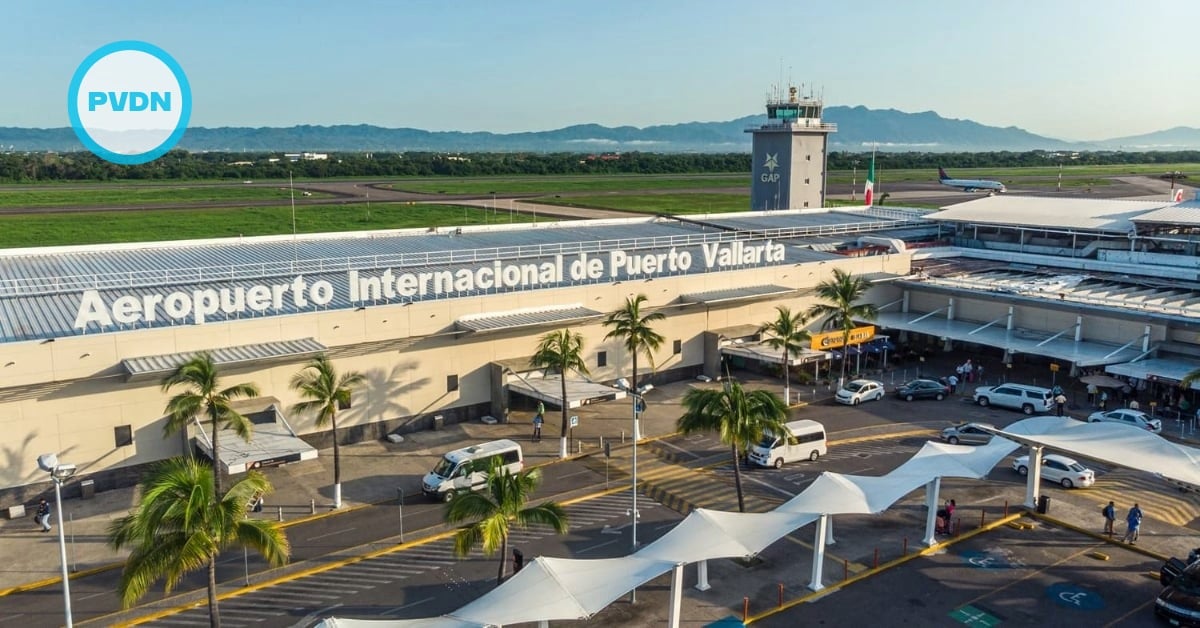
Airlines canceled flights at Puerto Vallarta International Airport on Sunday, February 22, due to security incidents that disrupted mobility in and around the city. Airport public relations advised travelers to contact their airlines directly for the status of departures and arrivals. As conditions changed throughout the day, passengers faced uncertainty about schedules, rebookings, and access to the terminal. Some travelers also reported heavy traffic and altered routes near the airport area, adding to the risk of missed check-ins even when flights remained listed.
Intercity buses suspend service
The disruption extended beyond air travel. Intercity bus lines paused operations “until further notice,” including Vallarta Plus, a major carrier linking Puerto Vallarta with Guadalajara and other routes. For residents and visitors, the suspension narrowed the options for moving by land during the incident window. This also affected travelers who rely on buses to connect to flights from other airports, handle last-minute changes, or return to nearby cities when air service is interrupted.
What authorities said about safety
Municipal officials issued a public call for residents to remain sheltered at home and to follow official guidance. The message urged people to avoid rumors and stay informed through official channels while security coordination continued. The broader regional context included reports of road blockages and vehicle fires in parts of Jalisco tied to an ongoing security operation. For people in Puerto Vallarta, the immediate impact was practical and urgent: road access became unreliable, public movement tightened, and travel providers pulled back service in response.
What travelers can do now
Passengers were advised to verify flight status directly with their airline before traveling to the airport. Travelers moving by road were urged to factor in potential delays and route changes, especially near key corridors. Many visitors and expats may also need to plan for extended stays, missed connections, or alternative routing once service resumes. As the situation evolves, the most useful information will likely come from official safety updates and transport providers’ direct advisories, rather than informal reports.