Puerto Vallarta is moving into holiday mode on the sand. Lifeguards are stepping up patrols, tracking surf conditions, and warning swimmers more actively as visitor numbers rise. For many readers, the real question is not whether beaches are open, but what “safe” actually means during Semana Santa. Clean water is only part of the story. Waves, currents, flag warnings, and response times matter just as much, especially in one of the city’s busiest beach periods.
Holiday crowds change the job on the beach
Municipal lifeguards in Puerto Vallarta have stepped up surveillance as Semana Santa and Pascua begin bringing heavier traffic to local beaches. Authorities say teams are maintaining a stronger presence along the shoreline, with repeated patrols, sea-condition monitoring, and direct guidance for swimmers. The purpose is straightforward. Reduce preventable accidents before they become rescues.
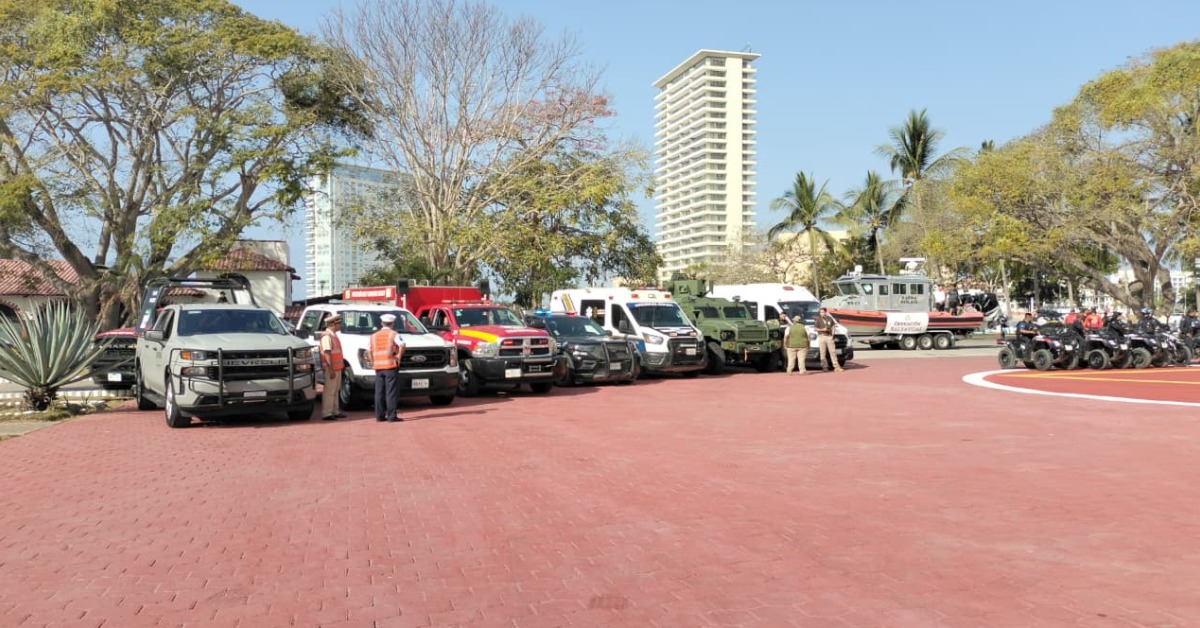
This is not just a one-day warning. It is part of a broader holiday safety push that comes as the city enters one of its busiest tourism periods of the year. Municipal planning points to reinforced coverage across 23 beaches, with 28 lifeguards tied into a wider Easter safety operation. That wider effort also includes naval, medical, and emergency support in tourist areas and near strategic beaches. On a crowded shoreline, lifeguards are not only watching the water. They are also managing behavior, scanning for risk, and responding before confusion turns into panic.
Clean water does not mean calm water
One point that matters for international readers is the difference between water quality and swimming conditions. Recent pre-holiday testing found that sampled beaches in Puerto Vallarta and on the north coast were fit for recreational use. That is an important public health signal, especially for visitors who may assume any warning means contamination. But clean water does not automatically mean a low-risk swim.
A beach can meet sanitary standards and still be dangerous on a given day. Strong surf, shifting currents, river outflows, and marine-life warnings can all quickly change the risk. That is why officials are emphasizing real-time monitoring instead of treating beach safety as a simple open-or-closed question. What matters is not just the lab result from earlier in the month. What matters is what the sea is doing right now.
What the flags mean before you step into the water
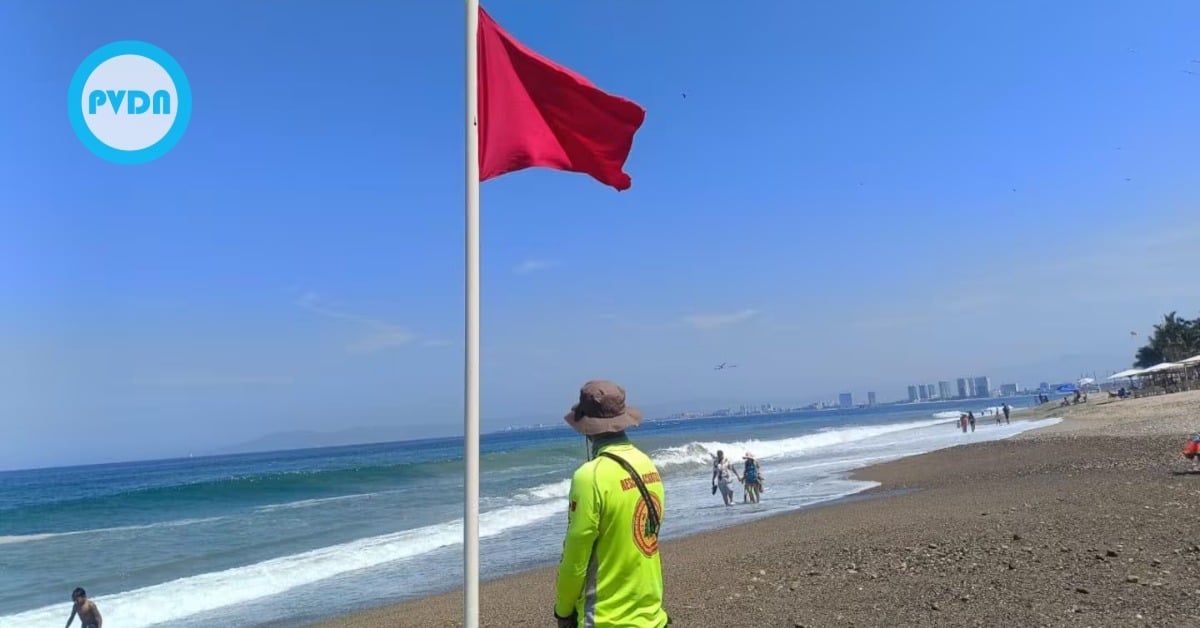
For residents and visitors alike, the flag system remains the clearest guide to the day’s conditions. A green flag generally means normal swimming conditions. Yellow means caution and should be taken seriously. Red means do not enter the water. Purple signals potentially harmful marine life or another added hazard. The system is simple, but it only works if people actually look at it and follow it.
That is especially important in Puerto Vallarta because conditions are not uniform across the bay. A busy beach is not always a safe beach. One area can carry a caution flag while another faces stronger restrictions. Conditions can also shift throughout the day as wind, waves, and currents change. For swimmers, the safest rule is to check the flag where you are standing, stay inside supervised areas, and treat the lifeguard’s instructions as the final word.
Why the stronger watch matters now
The increased surveillance also says something larger about Puerto Vallarta’s holiday economy. Beach safety is not separate from tourism. It is part of the basic infrastructure that keeps a destination working during peak demand. Hotels, restaurants, tour operators, and beach vendors all benefit when the city can absorb a surge in visitors without serious incidents. That does not mean promising ideal conditions every day. It means making sure warnings are visible, rescue coverage is in place, and help can reach the water quickly when something goes wrong.
For expats and foreign residents, the takeaway is practical. Puerto Vallarta’s beaches remain central to daily life and holiday routines, and recent testing suggests the coastline is entering the vacation period in good sanitary condition. But the safer habit is to rely on the people reading the beach in real time. Lifeguards are judging the surf, currents, and risk in front of them, not on the memory of how the bay looked yesterday. During a holiday week, that difference matters.
Deep Dive:
Jalisco tightens beach safety in Puerto Vallarta for Easter
Puerto Vallarta lifeguards recertified before holiday rush