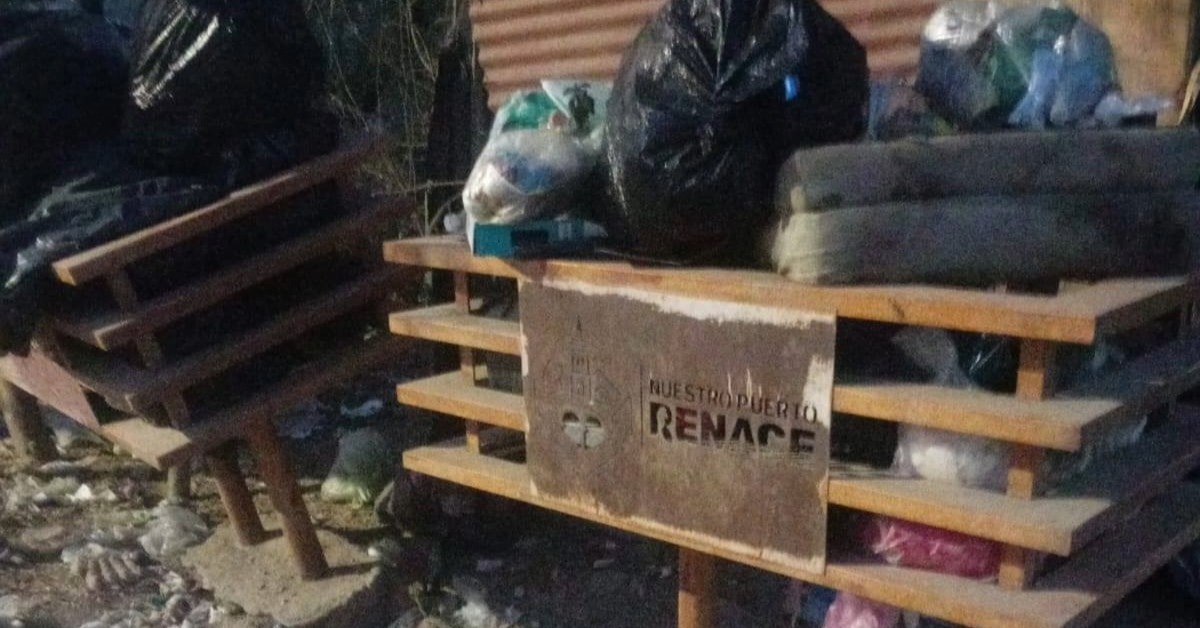
Trash buildup on streets and sidewalks is drawing fresh attention in Puerto Vallarta after residents reported that municipal collection is not passing often enough in several parts of the city.
The complaints describe a familiar pattern. Bags are left on corners or along sidewalks, then remain there for days. As the piles grow, the problem becomes more than a visual one. Neighbors describe bad odors, torn bags, and animals getting into the waste before trucks arrive.
That matters in any city, but it matters more in a destination like Puerto Vallarta, where public space is part of daily life for residents and part of the product for visitors. A missed collection route in a residential area can quickly become visible on busy streets, near businesses, and in tourist zones. When that happens, a sanitation problem also becomes an image problem.
Why the problem is happening now
The current disruption did not appear out of nowhere. It comes after a recent shift in how garbage collection is being handled in Puerto Vallarta.
At the start of April, the city moved collection back under direct municipal control after the end of its arrangement with the private operator that had been handling the service. The change was presented as a reset that would allow the city to run routes itself and restore order to a service already under pressure.
In practice, these transitions are rarely seamless. Changing operators affects routes, staffing, vehicles, staging points, and disposal logistics. Even when a city publishes new schedules, residents still have to learn the new system, and municipal crews have to demonstrate they can consistently meet them. In Puerto Vallarta, that gap between the plan and daily reality is now plain to see.
The city also changed how residents are expected to put out waste. Under the new model, people were told to follow specific shifts and routes and to place trash at designated pickup points rather than simply leaving it outside their homes. On paper, that can make routes more efficient. On the ground, it also creates more visible piles when pickups are late or missed.
What residents are seeing on the ground
Residents say the problem is not isolated to a single block or a single missed day. The complaints describe inconsistent service, with some areas reporting trucks did not pass for several days. That helps explain why the issue is now being noticed more widely across the city.
The consequences are predictable. Once garbage sits outside too long in Puerto Vallarta’s heat, conditions worsen quickly. Smells intensify. Insects appear. Dogs, cats, and other animals tear open bags. Loose waste spreads beyond the original pile. What begins as delayed service can turn into a broader sanitation issue for an entire street.
For international readers, this is also an important point of context. In Mexico, public service disputes often unfold very visibly. When trash collection fails, the effect is immediate and public. There is no long delay between the operational problem and the way residents experience it. People see it outside their door, on their walk, or on the route they take to work, the beach, or the supermarket.
That is why the current complaints matter beyond inconvenience. They raise questions about whether the city has enough vehicles, sufficient route coverage, and sufficient operational control to keep the new system running every day.
The city is trying to stabilize the service
Officials have already acknowledged the need to strengthen the system. This month, the city reported adding four garbage trucks to improve collection after taking the service back.
That may help, but trucks alone do not solve a transition. A stable collection system depends on route discipline, staffing, fuel, maintenance, and the ability to respond when one zone falls behind. It also depends on clear communication with residents, because confusion about pickup times or locations can make a weak system look even worse.
There is also a financial backdrop to this story. The handoff from the private concessionaire did not happen in a vacuum. It came after a dispute tied to payments and the end of the previous arrangement. That means Puerto Vallarta is not only trying to keep streets clean. It is also trying to manage the cost and logistics of rebuilding a service under city control.
Why this matters for Puerto Vallarta now
Puerto Vallarta depends on the daily functioning of its public services as much as it depends on its beaches, restaurants, and hotels. Garbage collection is not glamorous, but it is one of the clearest tests of whether a city is working well.
If missed pickups continue, the issue could move from neighborhood frustration to a wider concern about public management. Business leaders have already warned that the dispute around trash collection could hurt the city’s image. That concern is easy to understand. Visitors may not know the history of a concession contract or municipal budget dispute. They only see whether the streets are clean.
For residents, the stakes are even more direct. Reliable garbage collection affects hygiene, comfort, and trust in local government. When service breaks down, people are left adjusting their daily routines around a problem they cannot fix themselves.
The next phase of this story will be simple to measure. Either the piles start shrinking, and schedules become reliable, or complaints keep growing. For now, the trash on Puerto Vallarta’s streets is a visible sign that the city’s new collection system is still under strain.