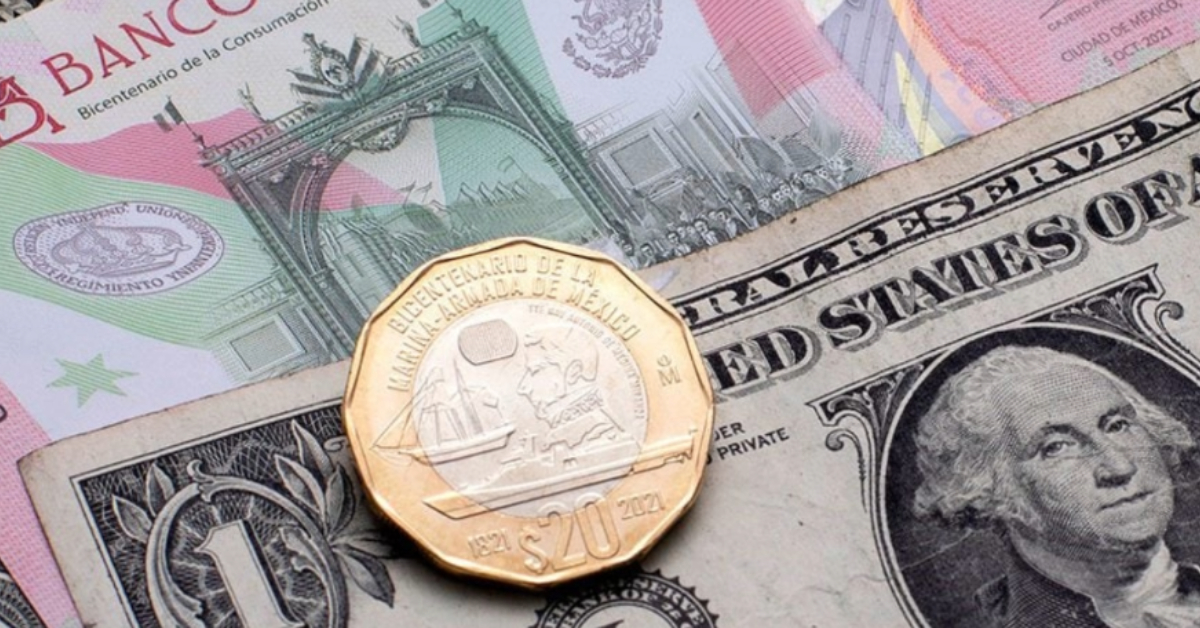
The Mexican peso fell on Thursday, reversing some of the gains it made the previous day, as the U.S. dollar strengthened globally in response to unexpectedly positive economic data from the United States.
As of Thursday morning, the peso was trading at 19.7515 per U.S. dollar, representing a 0.56% decline from the Reuters reference price on Wednesday, when the currency had appreciated by 0.55%. The currency’s performance has been volatile this week, marked by a cumulative loss of 3.4%, largely driven by concerns over a proposed judicial reform by President Andrés Manuel López Obrador, which has left investors uneasy.
The recent economic data from the United States played a significant role in the peso’s decline. According to the latest reports, the U.S. gross domestic product (GDP) grew more than expected in the second quarter, signaling resilience in the American economy. Additionally, the number of new applications for unemployment benefits in the U.S. fell slightly last week, further supporting the dollar’s rise as investors anticipated a less dovish stance from the Federal Reserve.
This strengthening of the U.S. dollar has put additional pressure on the peso, which had briefly rallied earlier in the week. However, the ongoing debate over the justice system reform in Mexico has overshadowed any temporary gains, with market participants remaining wary of the potential long-term implications of the proposed changes.
The judicial reform, which aims to overhaul Mexico’s legal system, has sparked significant debate within the country and raised concerns among investors about the potential impact on the rule of law and business environment. Critics argue that the reforms could undermine the independence of the judiciary, leading to increased uncertainty for businesses and investors operating in Mexico. As a result, the peso has been under pressure, reflecting the market’s cautious outlook.
In contrast to the peso’s decline, the Mexican Stock Exchange (BMV) showed signs of recovery on Thursday, following three consecutive sessions of losses. The benchmark S&P/BMV IPC index, which tracks the most traded stocks in the domestic market, rose by 0.36% to 52,630.65 points shortly after the opening bell.
The stock market’s rebound was supported by the positive economic data from the United States, which alleviated some fears of a potential recession. The gains in the BMV come after the index had accumulated a loss of 2% over the previous three sessions, as investors reacted to a combination of global economic uncertainties and domestic political developments.
Market analysts note that while the peso continues to face downward pressure due to both domestic and international factors, the resilience of the Mexican stock market may provide some optimism for investors looking for opportunities in the region. However, the ongoing discussions around the judicial reform and its potential consequences will likely remain a key focus for both domestic and international market participants in the coming weeks.