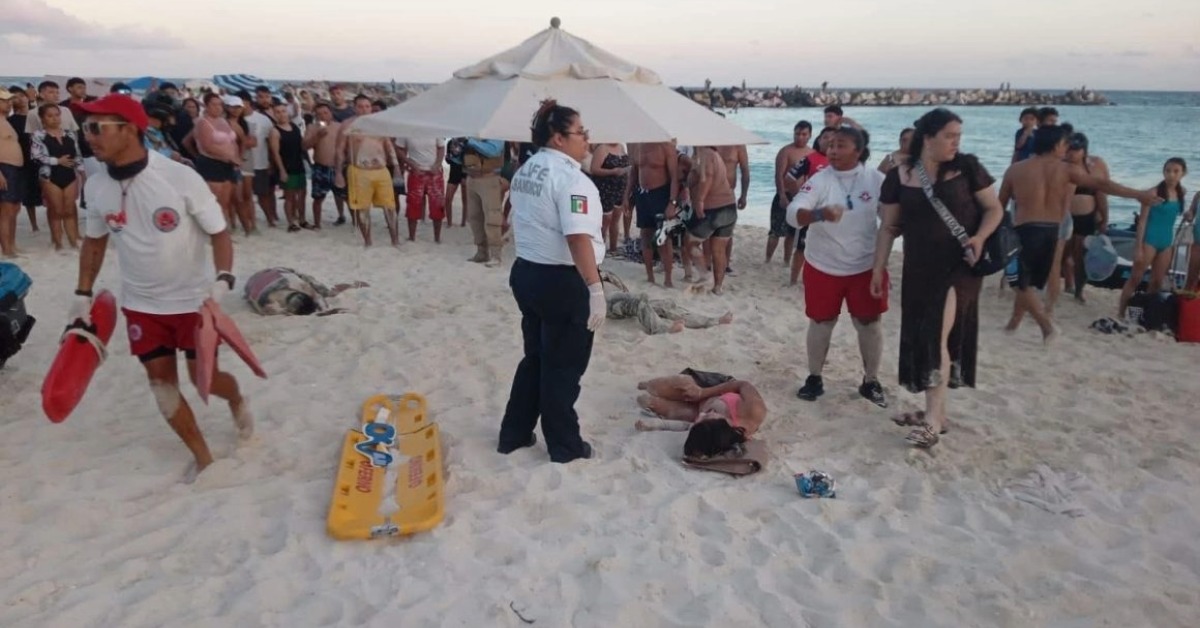
Forensic specialists warned that Mexico could need more than 150 years to identify the thousands of bodies and human remains currently listed as unidentified.
The warning came during the first National Multidisciplinary Congress on the Search for Persons, held in Mexico City. The event brought together forensic doctors, criminalists, genetic specialists, and relatives of missing people.
Experts said the country’s forensic system is overwhelmed by the scale of the crisis. They pointed to a lack of funding, limited staff, uneven procedures, and weak coordination between authorities.
The estimate is based on the pace of current identification work. It reflects how slowly many cases move through morgues, forensic offices, prosecutor files, and genetic databases.
The figure also highlights a painful truth for families. Identification is often the final step between years of uncertainty and the ability to grieve, bury a loved one, and seek justice.
Why are the numbers hard to understand
Mexico’s disappearance crisis is often explained through large numbers. But those numbers do not always describe the same thing.
There are people officially registered as missing or disappeared. There are unidentified bodies in morgues. Skeletal remains were found in clandestine graves. There are also remains recovered by search collectives that may still need testing, classification, and legal processing.
This distinction matters. Not every unidentified body is tied to a reported missing person. Not every missing person has been found among human remains. In many cases, families must wait while authorities compare genetic samples, dental records, fingerprints, and case files.
Recent international estimates have placed Mexico’s unidentified human remains at about 72,000. Forensic specialists at the congress referred to about 75,000 unidentified bodies. The difference reflects the difficulty of measuring a crisis spread across state systems, local morgues, common graves, and crime scenes.
For readers outside Mexico, the scale can be difficult to absorb. It means thousands of families may never receive an answer unless the country changes how it searches, investigates, and identifies.
The forensic problem goes beyond morgues
Mexico’s forensic crisis is not only about storage space. It is also about investigation.
A body can be recovered, registered, and stored, but still remain unidentified for years. Identification requires trained staff, reliable records, and coordination between prosecutors, forensic teams, and search commissions.
Genetic testing is one tool, but it is not always enough. Some remains are too damaged or degraded to produce a useful DNA profile. Others lack matching family samples in official databases.
Dental analysis can also help. Specialists at the congress stressed that teeth can provide important clues, including age, medical treatment, and identity markers. But that work requires trained forensic odontologists and records that can be compared.
The problem is worse when remains are found in clandestine graves. Soil, heat, water, time, and contamination can all make identification harder. In some cases, remains from several people are mixed together, which adds another layer of difficulty.
Families often hear that a sample was “not conclusive.” For them, that can feel like another loss.
Families have become searchers
The crisis has also changed the role of families.
Across Mexico, relatives of missing people have formed search collectives. Many are led by mothers, sisters, and wives. They organize field searches, follow anonymous tips, and pressure authorities to investigate.
In many cases, families say they began searching because official action was too slow or incomplete. Some collectives have found clandestine graves, personal belongings, and skeletal remains.
This has created a painful reversal of responsibility. Families who should receive support from the state often become the people gathering clues.
For expats living in Mexico, this can be hard to understand from daily life in tourist cities or retirement communities. But the crisis is national. It touches large cities, rural areas, highways, border states, and communities far from the usual foreign resident experience.
It also affects public trust. When families believe they must search on their own, confidence in police, prosecutors, and courts weakens.
International pressure is increasing
Mexico is facing growing international scrutiny over disappearances and forensic identification.
A United Nations committee recently elevated Mexico’s disappearance situation for consideration by the UN General Assembly. The committee cited the continued discovery of clandestine graves, thousands of unidentified remains, and the need for stronger search and forensic systems.
The committee also said Mexican authorities remain overwhelmed by the scale of the crisis. It called for structural reforms, technical cooperation, and more support for families.
The Mexican government has pushed back against some international criticism. Officials have also announced efforts to review the national missing persons registry and improve data quality.
That review has been controversial. Authorities said many entries in the registry may involve people who are alive but listed as missing due to outdated or incomplete records. Families and advocates have warned that registry corrections must not erase real cases or reduce official responsibility.
This tension shows the challenge ahead. Better data is needed, but families want guarantees that no case will be dismissed without proof.
Why identification matters for justice
Identification is not only a humanitarian step. It is also part of the justice process.
When a body is identified, prosecutors may be able to connect it to a disappearance, homicide, or organized crime investigation. That can lead to evidence, suspects, and court cases.
When remains stay unidentified, justice often stalls. Families remain in uncertainty. Prosecutors may close files or leave them inactive. Patterns of violence become harder to track.
The forensic backlog also affects basic rights. Families need death certificates, legal recognition, and official records. Without them, spouses, parents, and children can face problems with inheritance, custody, benefits, and property.
The crisis is also tied to impunity. If bodies are not identified, crimes become harder to prove. If crimes are not investigated, disappearances continue with little consequence.
Forensic work cannot solve the crisis alone. But without it, many cases cannot move forward.
What would need to change
Experts say Mexico needs more than temporary fixes.
The country needs stronger forensic budgets, more specialists, better laboratories, and reliable genetic databases. It also needs consistent standards across states, since many forensic services are run locally.
Coordination is another major issue. Prosecutors, search commissions, forensic teams, and courts often operate in separate systems. When records do not match, families can spend years moving between offices.
Mexico also needs to protect search families and human rights defenders. Many carry out searches in dangerous areas. Some have faced threats, attacks, and killings.
The identification backlog will not be solved quickly. But specialists say the current pace is not acceptable. Without major investment, the 150-year warning becomes more than a projection. It becomes a measure of how far the system is from meeting families’ needs.
For now, thousands of unidentified bodies remain in legal and forensic limbo. Behind each one is the possibility of a family still waiting for a name.