Puerto Vallarta and Mexico News

Puerto Vallarta and Mexico News

Los Cabos International Airport Is Soaring in 2025

Los Cabos Week in Review: What Residents Need to Know – May 2, 2026

Los Cabos had a week that touched daily life in several ways. Sports events brought crowds and road closures. City crews pushed road repairs and public service upgrades. Civil Protection began a stronger push before hurricane season. Tourism remained active, but airline changes showed how outside pressures can reach the destination. The coming week brings more events, one national safety drill, and a closer look at the municipality’s preparedness for May.

Los Cabos had a week of crowds, repairs and preparation

Los Cabos moved through the final days of April and the first days of May with a mix of tourism, infrastructure work, public safety planning, and community concerns. For residents and foreign homeowners, the week showed how many local issues connect at once in a fast-growing destination.

The week opened with IRONMAN 70.3 Los Cabos on Sunday, April 26. The race returned attention to the municipality’s sports tourism calendar and brought athletes, support teams, and spectators to San José del Cabo. The event also brought the usual traffic congestion, especially around the Transpeninsular corridor, Paseo Malecón San José, Avenida Centenario, and Camino Viejo a San José.

By the end of the week, attention shifted to the Dos Mares 500, an off-road event running from May 1 to 3. Authorities prepared for an estimated attendance of more than 100,000 people at various points along the route. The event also caused partial road closures in San José del Cabo on May 1, including Paseo Malecón San José and Boulevard Antonio Mijares.

For many residents, these events are part of the tradeoff that comes with living in a tourism center. They bring visibility and spending. They also bring delays, road restrictions, and a need for better public coordination.

Road repairs became one of the week’s clearest local issues

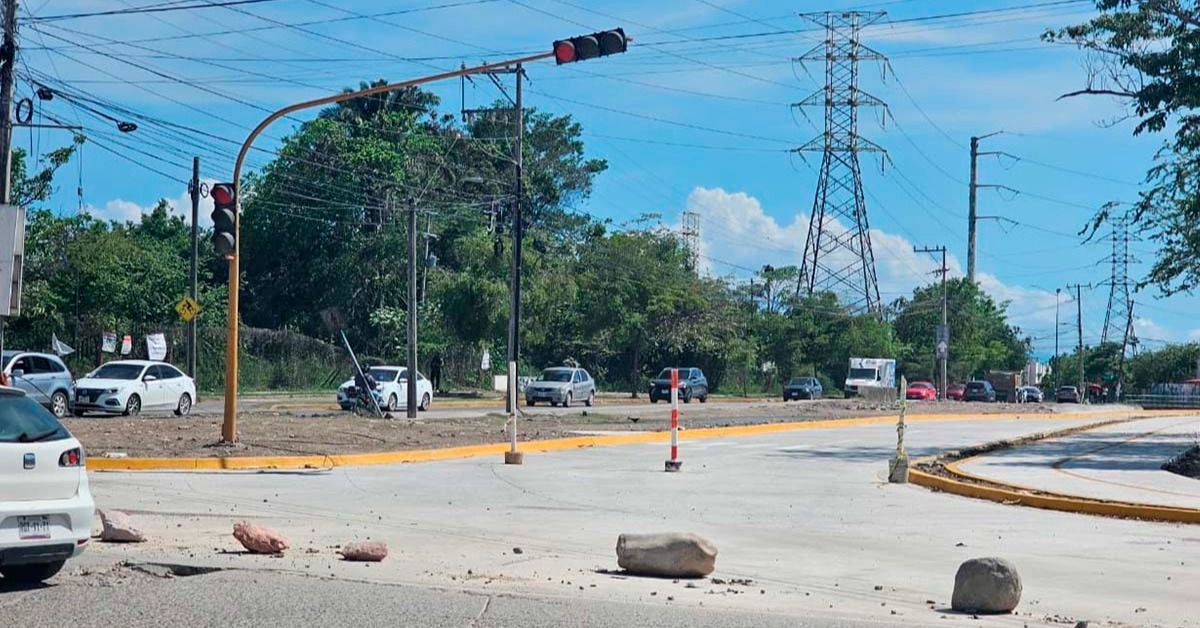
The Cazabaches road repair program also drew attention this week. Municipal officials said crews have repaired close to 3,000 potholes so far this year. Even so, about 1,800 reports remain pending.

That figure explains why road conditions remain a regular complaint in Cabo San Lucas, San José del Cabo, and nearby communities. Some streets are not only damaged by surface wear. Older drainage and water networks also contribute to recurring problems beneath the pavement.

The municipality says the next step is to improve its response capacity with more equipment. That includes an asphalt patching machine, a mobile concrete dosing unit, two backhoes, and two dump trucks. The goal is to reduce delays and stop depending as heavily on outside suppliers for materials.

This week, the city also delivered new machinery for public services through the Environmental Sanitation Trust, known locally as FISAM. The package included motor graders, backhoes, front loaders, and compactors. Officials placed the investment at above 152 million pesos.

For readers who live in Los Cabos full-time, the roadwork issue is not just about comfort. It affects emergency access, commute times, vehicle maintenance, and storm-season vulnerability.

Water support remained a neighborhood pressure point

Water access also stayed on the local agenda. In Cabo San Lucas, officials delivered more than 50 water tanks and scheduled 25 water-truck deliveries for families in the Leonardo Gastélum, Caribe, and Real Unidad neighborhoods.

The deliveries were presented as direct support for homes that still face problems accessing regular water service. The municipality said it wants to expand the program to more neighborhoods.

For long-term residents, this remains one of the most important quality-of-life issues in Los Cabos. The destination continues to grow as a high-end tourism and real estate market. At the same time, some local neighborhoods still depend on water trucks, storage tanks, and short-term fixes.

That gap is one reason water, roads, and public services tend to appear together in local news. They are not separate problems. They are signs of growth, moving faster than basic infrastructure in some areas.

Storm season preparation moved closer

Civil Protection also began a stronger push this week ahead of the Eastern Pacific hurricane season, which officially runs from May 15 through November 30.

Local officials called on schools, companies, and public institutions to organize internal Civil Protection brigades. These teams are meant to help workplaces and campuses respond faster during emergencies, including storms, floods, fires, and evacuations.

The concern is not only direct hurricane landfalls. Los Cabos is exposed to flooding in arroyos, road washouts, power interruptions, and dangerous surf. Heavy rain can create problems quickly, especially in communities built near waterways or on unstable ground.

That preparation will continue next week with the National Drill 2026 on May 6 at 10 a.m. The exercise will use an 8.1 magnitude earthquake scenario. Businesses, homes, and institutions have been encouraged to participate.

For foreign residents, this is a good week to review practical basics. Know your nearest shelter, keep documents in one place, check medications, and make sure phones, flashlights, and water supplies are ready before storm season begins.

The San José estuary cleanup showed another side of climate risk

The San José del Cabo estuary was another major local issue this week. City crews, residents, and environmental groups worked to remove invasive aquatic plants from the protected area.

Officials said crews are removing up to 15 tons of water hyacinth and similar vegetation per day. The plants have spread quickly, with heat listed as one factor in their reproduction.

The estuary is one of the municipality’s most important ecological spaces. It supports wildlife, helps define the identity of San José del Cabo, and sits close to areas used by residents and visitors. When invasive plants expand too quickly, they can affect water flow, oxygen levels, and habitat conditions.

The work is being done manually while officials wait for specialized equipment. That means the cleanup is likely to remain a continuing issue, not a one-week project.

The estuary story also fits into the larger storm-season picture. Healthy waterways and better drainage matter before heavy rains arrive.

Violence against women remained a serious local concern

The week also brought renewed attention to family violence and support services for women in Los Cabos. Local officials said more women are seeking help, especially in identified high-risk neighborhoods.

Authorities linked the rise in requests partly to greater public awareness and stronger outreach. Still, the numbers show a serious concern. Baja California Sur opened 807 family violence investigation files in the first quarter of 2026, compared with 784 in the same period of 2025.

Los Cabos accounted for 406 of those cases, while La Paz recorded 319. Together, the two municipalities represented nearly 90% of the statewide total.

In Cabo San Lucas, high-incidence areas named for 2026 include Lomas Altas, Las Palmas, 4 de Marzo, Lagunitas, and Cangrejos. In San José del Cabo, the areas include La Ballena, Zacatal, Santa Rosa, Vista Hermosa, and San Bernabé.

The most requested services include legal support, psychological care, and temporary shelter. Officials said Cabo San Lucas has the highest demand for temporary protection.

Tourism stayed active, but airline changes added pressure

Tourism remained active in Los Cabos, but the week showed how outside pressures can affect the destination. Delta confirmed changes to flights from Seattle to several Mexican destinations, including Los Cabos.

The Seattle–Los Cabos route is expected to operate only on Saturdays from June 2 through June 30. It will then pause from July 1 through November 8, with service scheduled to resume on November 9. Travelers will still be able to reach Los Cabos through other connecting cities.

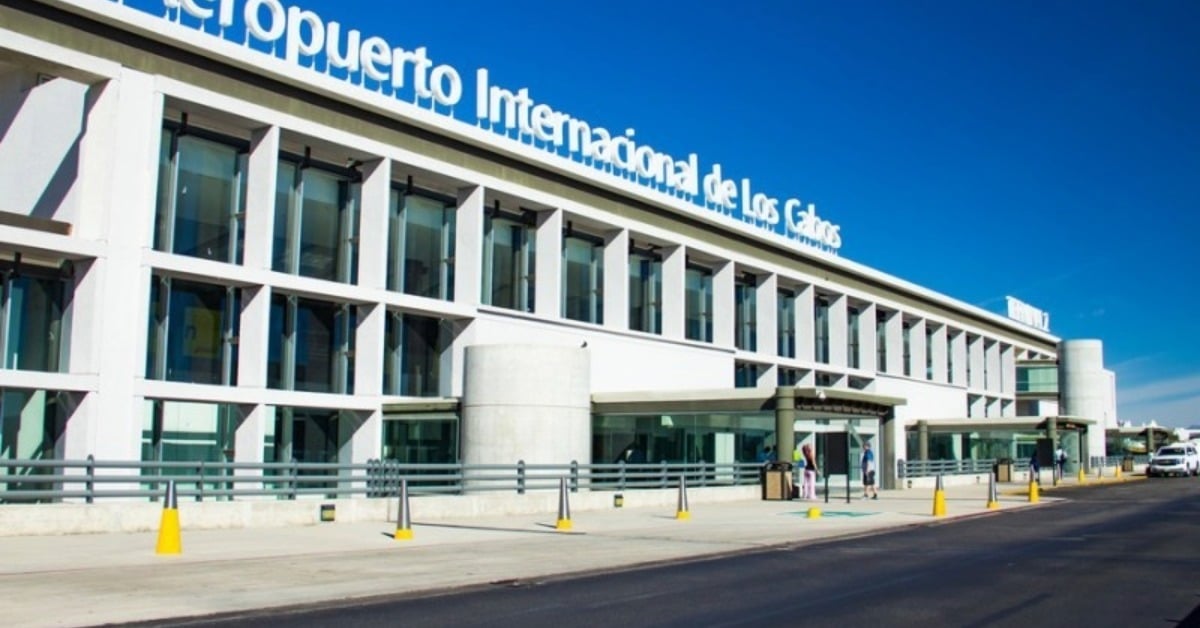
This does not mean Los Cabos tourism is in trouble. The destination still has a strong international base. Recent first-quarter figures showed overall airport passenger flow down 2.5% compared with the same period of 2025, while the international market moved only slightly.

Still, the Delta change is a reminder that flight access can shift quickly. Fuel costs, airline schedules, and demand from U.S. cities can affect prices and route options. That matters to residents who travel often, homeowners who split time between countries, and local businesses that depend on a predictable flow of visitors.

What to watch from May 3 to May 9

The coming week starts with the closing day of the Dos Mares 500 on May 3. Readers should watch for traffic updates, road reopenings, and any post-event reports from public safety agencies.

On May 6, the National Drill will test emergency readiness. The exercise is not only symbolic. It gives businesses, schools, and households a chance to see whether evacuation routes, communication plans, and staff roles are clear.

From May 7 to 9, Viva El Gonzo 2026 is scheduled in San José del Cabo. The event is listed as an arts and culture festival and will add another crowd-generating activity during the first full week of May.

Visit Los Cabos also lists Ivan Guaderrama’s Interactive Living Art beginning May 7, while a Bali cuisine event at Equis is listed from May 8 to 22. These are smaller than the major sports events, but they add to the destination’s growing cultural and culinary calendar.

The larger issue to watch is preparation. May is the month when Los Cabos begins moving from spring events into storm-season planning. That shift affects roads, arroyos, shelters, hotels, schools, neighborhoods, and public services.

For residents, the next week is a good time to pay attention to official notices. The summer calendar is beginning to take shape, and the practical questions are already here: which roads are being repaired, which neighborhoods still need basic services, and how ready the municipality is before the first serious storm threat appears.

Related Posts

Navy Joins Beach Cleanup Push in Puerto Vallarta

Puerto Vallarta Week in Review: What Residents Need to Know – May 2, 2026

Puerto Vallarta’s week brought beach cleanup, security concerns, tourism recovery, traffic closures and a packed...
Super El Niño Risk Raises Pacific Hurricane Concern

Super El Niño Risk Raises Pacific Hurricane Concern

UNAM warns a possible strong El Niño in 2026–2027 could deepen drought, fuel extreme rain,...
Rocha Indictment Puts Sheinbaum in a Political Bind

Rocha Indictment Puts Sheinbaum in a Political Bind

A U.S. indictment accusing Sinaloa Gov. Rubén Rocha of cartel ties tests Mexico’s courts, sovereignty...
Cancún Airport Loses 150,000 Passengers in First Quarter

Rising Fuel Costs Hit U.S. Flights to Mexico Resorts

U.S. airlines are trimming Mexico capacity as fuel costs and weaker leisure demand pressure routes...