Puerto Vallarta closed the week with a mix of beach cleanup, tourism business, public safety questions, and downtown road closures. The city also leaned into sports and culture, from downhill cycling to folkloric dance, while nearby beach-access protests kept regional development debates in the spotlight. The coming week brings more events, more visitors, and a few practical items for residents to watch, including traffic changes, cultural performances, and gatherings that could shape the start of May.
Puerto Vallarta closes a busy week of tourism, security and public works
Puerto Vallarta moved through the week of April 26 to May 2, 2026, with several stories unfolding at once. Some were visible to residents in daily life, such as road closures, beach cleanups, and extra security patrols. Others played out in the background, such as tourism promotion, hotel demand, and the continued effort to reassure travelers after earlier disruptions.
The week showed a city trying to manage two realities. Puerto Vallarta remains one of Mexico’s strongest beach destinations, with events, visitors, and business activity filling the calendar. At the same time, public safety, infrastructure, and coastal development continue to shape how residents experience the city beyond the postcard version.
Beach cleanup at Playa Los Muertos
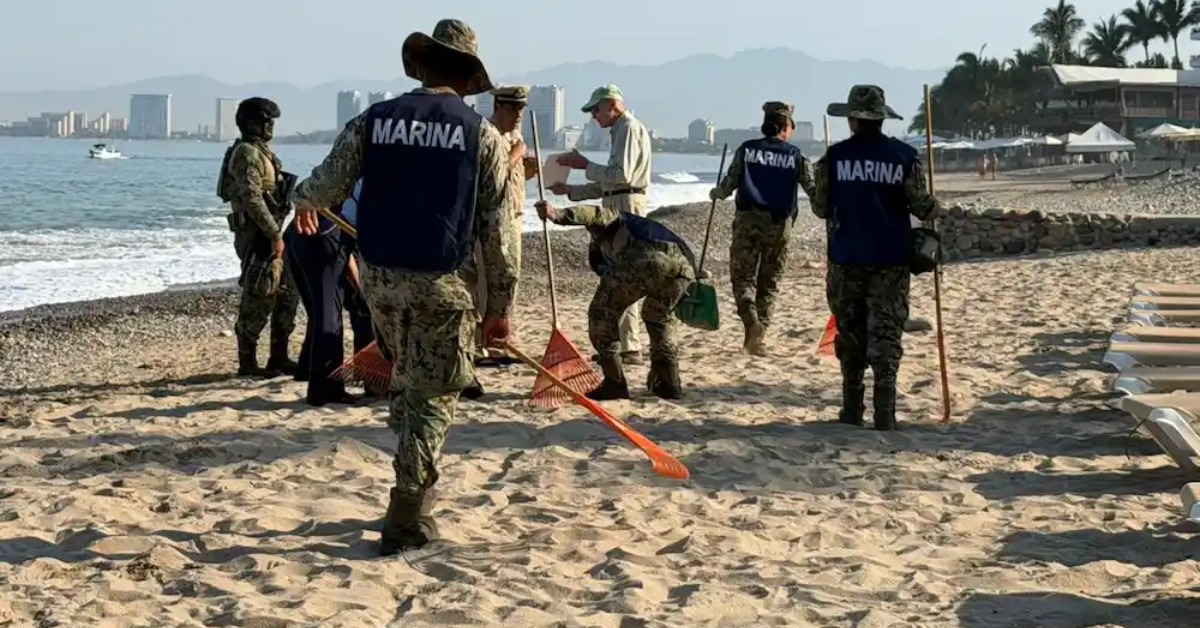
One of the week’s most visible local actions took place at Playa Los Muertos, where personnel from the Mexican Navy’s 12th Naval Zone carried out a cleanup as part of a national beach and coast conservation campaign.
The work focused on solid waste collected from one of Puerto Vallarta’s busiest beaches. Participants removed glass, aluminum, plastic containers, plastic bags, cigarette butts, and natural debris. The waste was then placed in containers for proper handling.
For residents and visitors, the cleanup is more than a cosmetic effort. Playa Los Muertos is a daily gathering point, a tourism anchor, and a working beach for vendors, restaurants, and water activities. Its condition affects public health, the visitor experience, and the destination’s image.
The cleanup also fits into a wider problem seen in many Mexican coastal cities. Heavy tourism brings in income but also increases waste, places pressure on public services, and requires constant maintenance. In Puerto Vallarta, those pressures become more visible during holiday weekends and high-traffic event periods.
Security remained part of the conversation
Security was again part of the local conversation after the arrest of Audias Flores Silva, known as “El Jardinero,” in Nayarit. Federal authorities identified him as a senior figure linked to the Jalisco New Generation Cartel. His arrest took place outside Puerto Vallarta, but the operation had regional significance given the city’s proximity to Nayarit and the wider Bahía de Banderas corridor.
Local authorities said there were no incidents inside Puerto Vallarta tied to events in Nayarit. The municipal government said public, economic, and social activity was continuing normally. Officials also urged residents not to share unverified information.
Even so, the week included a stronger military presence in the city. Patrols and security operations were reported in several areas, adding to the sense that authorities were taking preventive steps.
That came days after new national survey data showed a sharp change in residents’ perceptions of safety: Puerto Vallarta’s perception of insecurity rose from 32.0% in December 2025 to 59.9% in March 2026. The survey does not measure crime itself. It measures how safe adults feel living in their city.
That distinction matters. People can feel less safe because of direct incidents, rumors, visible patrols, national headlines, or past events. In Puerto Vallarta, all of those factors have been part of the local atmosphere since February.
Tourism promotion continued despite concerns
While security remained a public issue, Puerto Vallarta also spent the week pushing its tourism message. The destination had a strong presence at the 50th edition of Tianguis Turístico México 2026 in Acapulco, held from April 27 to 30.
Puerto Vallarta’s delegation included local tourism officials, the destination’s tourism trust, and 18 companies. The group held an average of about 150 business meetings per day during the event.
That matters because Tianguis Turístico is one of Mexico’s main travel industry marketplaces. Deals and meetings there help shape future hotel bookings, package sales, airline demand, and promotion strategies.
The timing was important. Puerto Vallarta is still working to protect its reputation after the February security crisis. Tourism partners are watching traveler confidence, summer demand, and the impact of major events, including the 2026 World Cup.
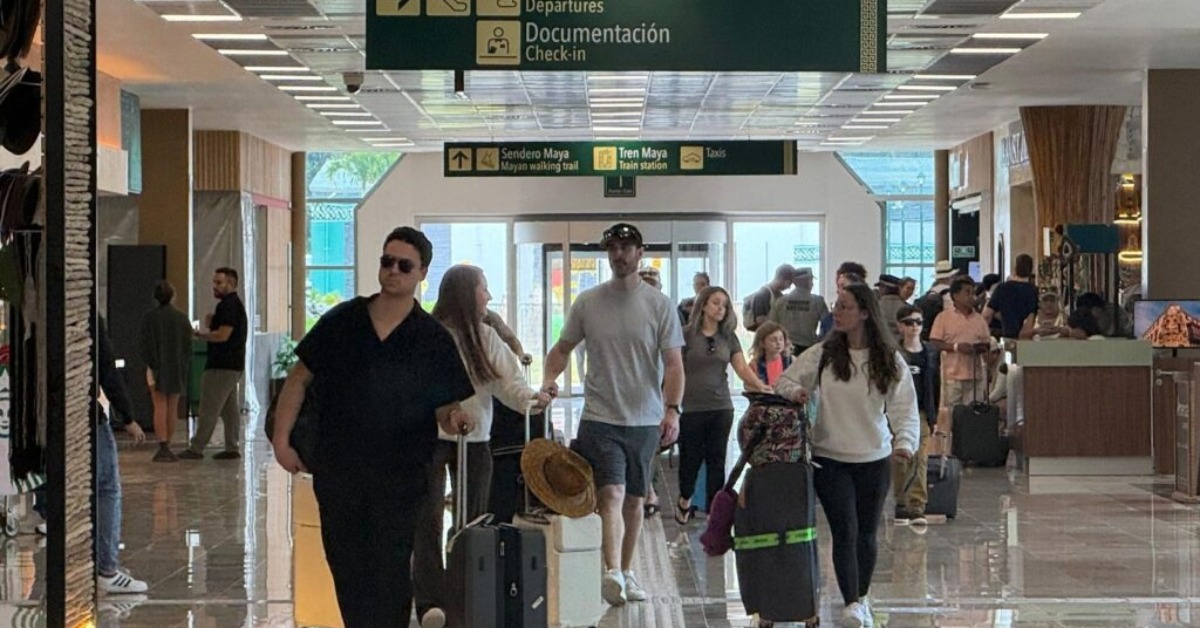
The week also brought strong expectations for the Día del Trabajo holiday weekend. Local projections pointed to hotel occupancy above 85%, helped by sports events, domestic travel, and a long weekend calendar.
Sports brought crowds and street closures
Puerto Vallarta’s event calendar was packed by the end of the week. The Downhill and Freestyle 2026 event brought cyclists to the center of the city, with a route connecting to the Mirador de la Cruz and downtown.
The event created road closures in the city center on May 1 and 2. Authorities warned of full closures on routes leading toward the Malecón, with traffic effects expected mainly in the afternoon and evening.
Sports tourism was not limited to cycling. The International Sports Classic ran from April 30 to May 3, bringing basketball and other athletic activities to the city. The event was expected to draw more than 3,000 players and former players from the United States and Canada.
The Copa Vallarta soccer tournament also ran from April 29 to May 3. Organizers expected teams, families, and support staff to generate visitor traffic across Puerto Vallarta and Riviera Nayarit.
These events show why sports tourism has become important for the city. It fills rooms, supports restaurants, and gives visitors reasons to travel outside traditional vacation periods. But it also places pressure on streets, parking, public safety, and municipal coordination.
Public works added another layer of traffic disruption
Traffic was also affected by infrastructure work in Fluvial Vallarta. SEAPAL Vallarta announced intermittent closures on Avenida Grandes Lagos between Río Volga and Río Sena from April 30 to May 3.
The work involved interconnecting new drinking water lines. It formed part of a larger project tied to sanitary infrastructure and the replacement of a subcollector in the area.
For residents, these projects can be frustrating because they affect daily movement. But they also point to a larger issue in Puerto Vallarta. The city’s growth has placed more demand on water, drainage, and road systems.
Infrastructure work is rarely popular while it is underway. Still, it is central to whether a fast-growing tourist city can maintain basic services for residents and visitors.
Nearby beach-access dispute kept pressure on the region
A major story outside Puerto Vallarta also carried local relevance. In Punta de Mita, more than 300 protesters blocked a key access point on April 27 during the ongoing dispute over Playa Las Cocinas.
The protest caused disruptions for residents, workers, public transportation, and tourists. The road was later reopened after about 10 hours, but the conflict remains active.
The issue matters to Puerto Vallarta because the tourism corridor does not stop at the municipal line. Visitors often move between Puerto Vallarta, Nuevo Nayarit, Punta de Mita, Sayulita, and other nearby communities.
The dispute also touches larger questions facing coastal Mexico. Residents want access to beaches, protection of water resources, and a say in development. Developers and officials often point to investment, jobs, and tourism growth.
Those tensions are likely to continue. They are part of the same regional debate over who benefits from coastal growth and who absorbs the costs.
Culture and community events rounded out the week
The week also carried a strong cultural side. The Fiestas Patronales de la Santa Cruz continued in the Romantic Zone through May 3, with religious services, food stands, music, and neighborhood gatherings near the Santa Cruz church.
The festival stands out because it takes place in one of Puerto Vallarta’s most heavily touristed areas. Around it are restaurants, bars, condos, and hotels. Yet the celebration remains tied to local religious and neighborhood life.
Puerto Vallarta also moved into FESTVA, the international folkloric dance festival scheduled from May 1 to 9. The event brings free performances and visiting groups to the city, adding cultural activity during the first part of May.
These events help balance the city’s visitor economy with traditions rooted in local life. For foreign residents, they are also a reminder that many of Puerto Vallarta’s most meaningful events are not built solely on tourism.
What to watch from May 3 to 9
The first full week of May will keep Puerto Vallarta busy. The final day of the Santa Cruz patron saint festivities falls on May 3 in the Romantic Zone. Residents in the area should expect music, foot traffic, and evening activity near Aguacate and Lázaro Cárdenas.
Sports traffic may also continue into May 3, with the closing day of the International Sports Classic and Copa Vallarta. Downtown and sports venues could remain busier than normal.
The cultural calendar continues with FESTVA through May 9. That should bring more public performances and international dance groups to the city.
On May 6, the Ballet de Kiev is scheduled to present Swan Lake at Teatro Vallarta. From May 7 to 10, the Vallarta SBK Dance Festival is scheduled at Friendly Fun Vallarta, with salsa, bachata, kizomba, and zouk workshops and events.
The weekly Puerto Vallarta Gay+ Mixer is also listed for May 5 at The Brick Oven. Like many local social events, it adds to the steady activity in the city’s LGBTQ+ and expat communities.
Residents should keep an eye on traffic notices, event updates, and official security information. The city is moving into May with visitors, events, and public works all happening at once. That makes planning ahead more useful than usual.