Despite the summer high season, Cancún hotel occupancy remains under 75%. Officials cite sargassum growth and limited diversification as key challenges.
Despite the arrival of the peak summer travel season, Cancún is falling short of expected hotel occupancy levels, with tourism officials reporting numbers that remain well below typical high-season benchmarks. According to Juan Pablo de Zulueta Razo, Secretary of Tourism for Benito Juárez, promotional efforts have intensified, but no solid signs of a surge above 82% occupancy have been recorded.
“There are many expectations, but no certainties,” Zulueta Razo said, noting that while traditional beach tourism continues to draw visitors, Cancún must work harder to diversify its appeal. He pointed to wedding and conference tourism as underdeveloped segments with considerable potential. “These niches currently represent between 5 and 25 percent of our total visitors, and we believe they can grow significantly,” he added.
You might be interested in: Restaurants and Beach Clubs in Cancun cutting staff due to lack of business
Current Numbers Fall Short of High-Season Norms
Recent data from the Hotel Association of Cancún, Puerto Morelos, and Isla Mujeres show that hotel occupancy currently sits at 74.2%, with a monthly average of just 71.2%. While these numbers indicate a healthy level of tourism activity, they are notably below the vibrant figures typically associated with the summer rush, when occupancy rates often push past 85%.
Tourism experts suggest that the numbers reflect a growing need for strategic diversification. “We can’t depend solely on sun-and-sand vacations,” said a representative from the hotel association. “Weddings, conventions, and special events are promising areas, but they require infrastructure, planning, and promotion.”
Sargassum Returns as Persistent Environmental Threat
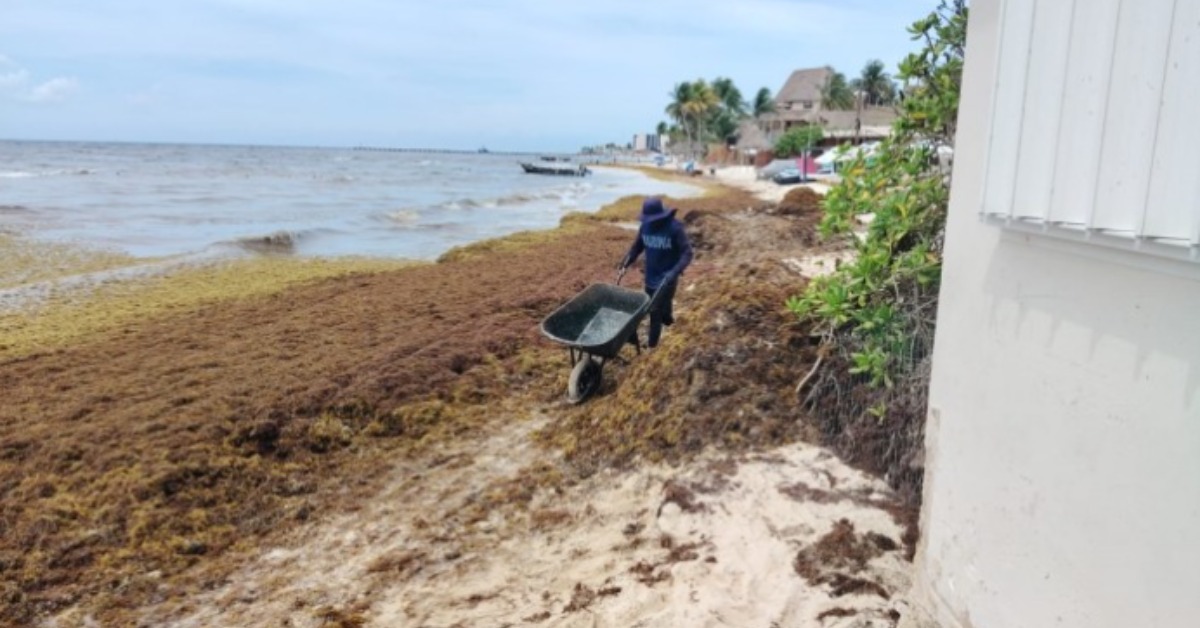
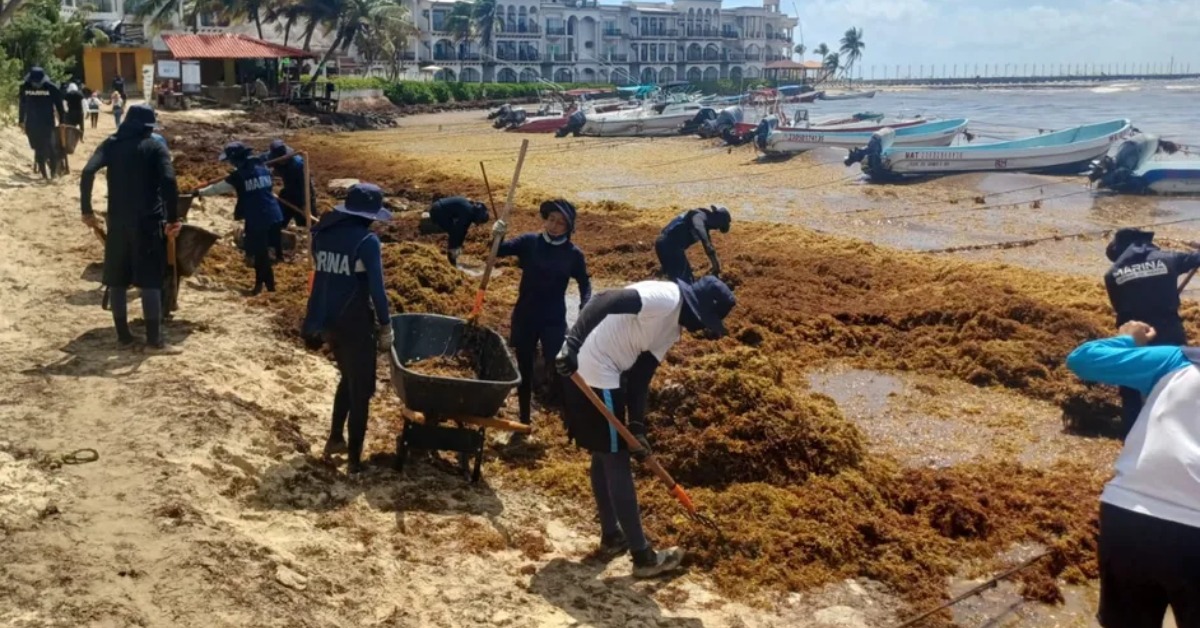
Alongside lukewarm hotel performance, Cancún is once again facing the seasonal environmental challenge of sargassum—a type of seaweed that accumulates in the Caribbean each summer, often blanketing beaches and discouraging tourism.
Leticia Durand Smith, a researcher at the Regional Center for Multidisciplinary Research (UNAM), warned that this year’s sargassum season could be especially problematic. “We’re forecasting a 40% increase in sargassum presence along the Caribbean coast compared to last year,” she said, noting that such growth could damage Cancún’s image among tourists seeking pristine beach experiences.
Although Cancún has fared better than some other destinations in the region, the growing presence of sargassum creates uncertainty for tour operators, hoteliers, and local businesses that depend on clean coastlines.
Over 4,000 Tons Collected, But No Productive Use Identified
The Mexican Navy (Semar), working in coordination with state and municipal governments, has already removed 4,236 tons of sargassum from the shores of the Mexican Caribbean this year. However, the long-term question remains: what can be done with the seaweed once it’s collected?
Despite years of discussion and experimentation, Cancún still lacks any formal or scalable project to repurpose sargassum into something productive or environmentally sustainable. Zulueta Razo acknowledged the gap: “We need to investigate further what academics, entrepreneurs, and researchers are doing. For now, there’s no definitive solution.”
Experts have floated ideas ranging from converting sargassum into biofuel and construction materials to using it in agricultural products. However, none of these proposals have made it past the pilot stage in Cancún.
Outlook: High Hopes, Low Guarantees
As Cancún pushes through the critical summer travel window, stakeholders remain cautiously optimistic but realistic. Tourism leaders emphasize the importance of long-term planning that goes beyond beach-focused promotions and addresses recurring environmental issues head-on.
“If we want to maintain our position as a leading global destination, we must innovate,” said Zulueta Razo. “That means attracting new types of tourists, creating value from environmental challenges like sargassum, and building a resilient tourism sector that can adapt.”
For now, Cancún’s beaches are open, the resorts are welcoming guests, and the city continues to promote itself—but the path forward may require more than just blue skies and turquoise waters.