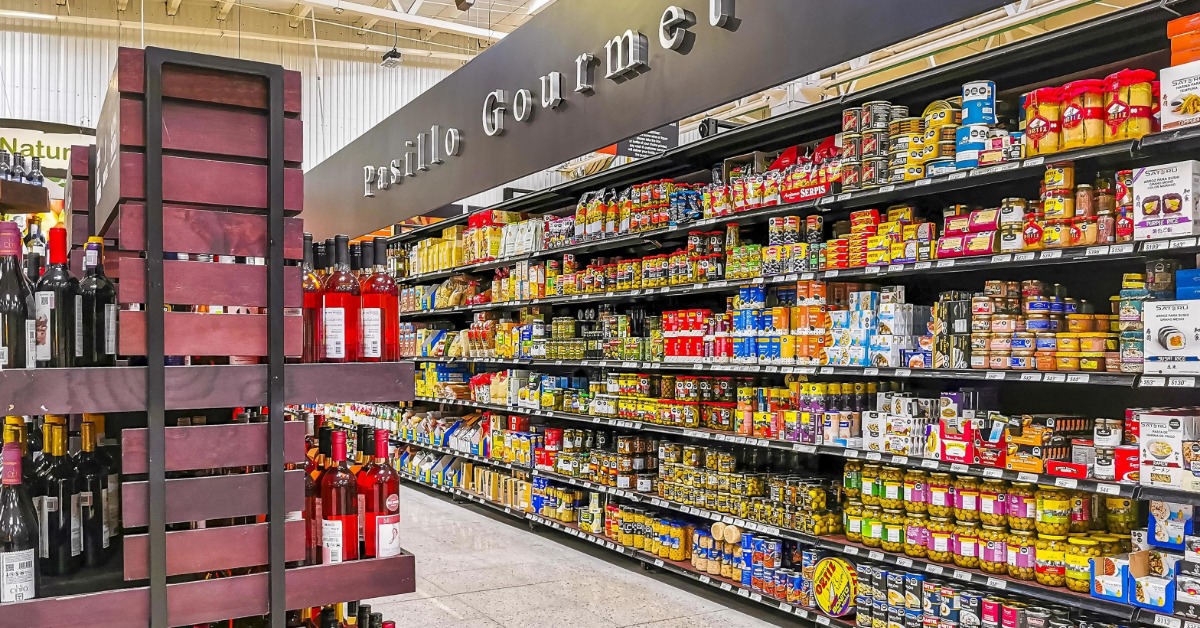
Mexico’s grocery bill has become one of the clearest signs of how inflation is changing daily life.
A new analysis shows the basic food basket in Mexico rose 67% between August 2018 and March 2026. That increase was much higher than overall inflation, which rose 45% during the same period.
The difference matters because food is not an optional expense. When staples rise faster than average prices, the pressure is felt first at the supermarket, the neighborhood tiendita, the public market, and the small restaurant where many workers eat during the day.
For foreign residents, this also explains why Mexico may feel more expensive than it did a few years ago. Even when a person earns income in dollars, Canadian dollars, or euros, daily life is still priced in pesos.
Food prices are rising faster than headline inflation
Mexico’s headline inflation has been moving lower in recent weeks, but food remains a different story.
In March 2026, annual inflation stood at 4.59%. Food prices rose more quickly, with food-related pressure remaining one of the main reasons households feel prices are still high.
By the first half of April, annual inflation slowed to 4.53%, according to the national statistics agency. That was still above the central bank’s target range. It also did not erase the larger increase that families have absorbed over several years.
This is why many people can hear that inflation is “slowing” and still feel that life is getting more expensive. Slower inflation does not mean prices are falling. It means prices are rising at a slower pace than before.
For families, the question is not just whether inflation is lower this month. The question is whether wages, pensions, and household income have kept up with the new price level.
What the food basket actually measures
The canasta alimentaria, or food basket, is used to estimate the minimum monthly cost of basic food needs.
It is not a luxury basket. It does not measure restaurant dining, imported goods, or a more comfortable lifestyle. It is tied to the cost of meeting basic nutritional needs.
In March 2026, a person living in an urban area needed 2,571 pesos per month to cover the food basket. In 2018, the amount was a little over 1,500 pesos.
In rural areas, the monthly food basket reached 1,940 pesos. In 2018, it was about 1,150 pesos.
Those figures are per person. For a household, the pressure multiplies quickly. A family of four in an urban area would need more than 10,000 pesos a month just to cover the basic food basket.
That does not include rent, electricity, transportation, school costs, medical care, phone service, internet, or other regular expenses.
Why lower-income households feel it first
Food inflation does not affect every household in the same way.
Lower-income families spend a larger share of their income on food. That means a rise in tortillas, eggs, chicken, vegetables, milk, beans, or cooking oil can quickly force changes in what people buy.
A higher-income household may adjust by switching brands, reducing restaurant meals, or shopping more carefully. A lower-income household may have fewer choices. It may buy less protein, skip items, reduce portions, or rely more heavily on cheaper staples.
This is why food prices are closely tied to purchasing power. The issue is not only the price of one product. It is the steady loss of room in a monthly budget.
The problem is also broader than groceries. When the food basket is combined with basic non-food needs, the income threshold rises sharply.
In March 2026, a person in an urban area needed 4,940 pesos per month to cover both the food and non-food baskets. In rural areas, the figure was 3,553 pesos.
That means an urban family of four would need nearly 20,000 pesos per month to stay above the income poverty line.
Tomatoes show how sharp the pressure can be
Some food items rise much faster than others, and those spikes can distort the household budget.
The recent analysis pointed to the tomato as one of the strongest examples. Tomato prices rose sharply over the past year, especially in rural areas.
This kind of increase matters because tomatoes are not a specialty item in Mexico. They are used in salsas, soups, stews, rice dishes, sauces, and everyday home cooking.
When a staple ingredient jumps, it affects more than one meal. It can also affect small restaurants, street food vendors, and fondas that depend on low-cost ingredients to keep prices affordable.
Food prices are also sensitive to weather, fuel costs, transportation, and supply chain disruptions. A crop problem in one region can show up later in prices paid by shoppers hundreds of miles away.
Fuel and transport can push food prices higher
Food does not reach stores by accident. It must be harvested, packed, moved, stored, and delivered.
That makes fuel and transportation costs part of the food inflation story. When gasoline or diesel becomes more expensive, the impact can move through the supply chain.
The government has used fuel tax support to help limit sudden increases at the pump. That can reduce some of the pressure on drivers and businesses. But it does not remove every cost from the system.
If transport costs rise, producers and distributors may pass part of that increase to stores. Stores may then pass it to customers. The result can appear as a higher price for fruits, vegetables, meat, or packaged food.
This chain matters in a country as large as Mexico. Many products travel long distances from farms, ports, warehouses, and distribution centers before reaching local markets.
What this means for people living in Mexico
For Mexican households, the numbers confirm what many have already felt. A normal grocery run takes more planning than it did a few years ago.
For foreign residents, the lesson is slightly different. Mexico can still be less expensive than many parts of the United States or Canada. But the gap is not as wide for everyone, especially in popular expat areas where rents, services, and restaurant prices have also risen.
The exchange rate can also change the experience. A stronger peso can make Mexico feel more expensive for people living on foreign income. A weaker peso can soften the impact, but only partly.
Food inflation is different because it touches everyone. It affects retirees, workers, families, students, restaurant owners, and small shopkeepers.
It also affects how people judge the economy. A lower inflation rate may look positive in economic reports, but households tend to measure inflation through repeat purchases. If the same basket costs much more than it used to, the pressure feels real.
The larger concern is not one bad month
The main issue is not a single month of higher prices. It is the cumulative increase since 2018.
A 67% rise in the food basket means many families have had to permanently adjust their spending. Some have cut back on nonessential purchases. Others have changed what they eat or where they shop.
The gap between food inflation and overall inflation also shows why headline numbers can miss part of the lived experience.
If prices for electronics, telecom services, or some durable goods rise more slowly, that can help hold down the overall inflation rate. But families do not buy a refrigerator every week. They do buy food.
That is why the food basket remains one of the most important measures of daily affordability in Mexico.
The latest numbers point to a simple reality: eating in Mexico has become much more expensive over the past eight years, and the strain is not evenly shared.