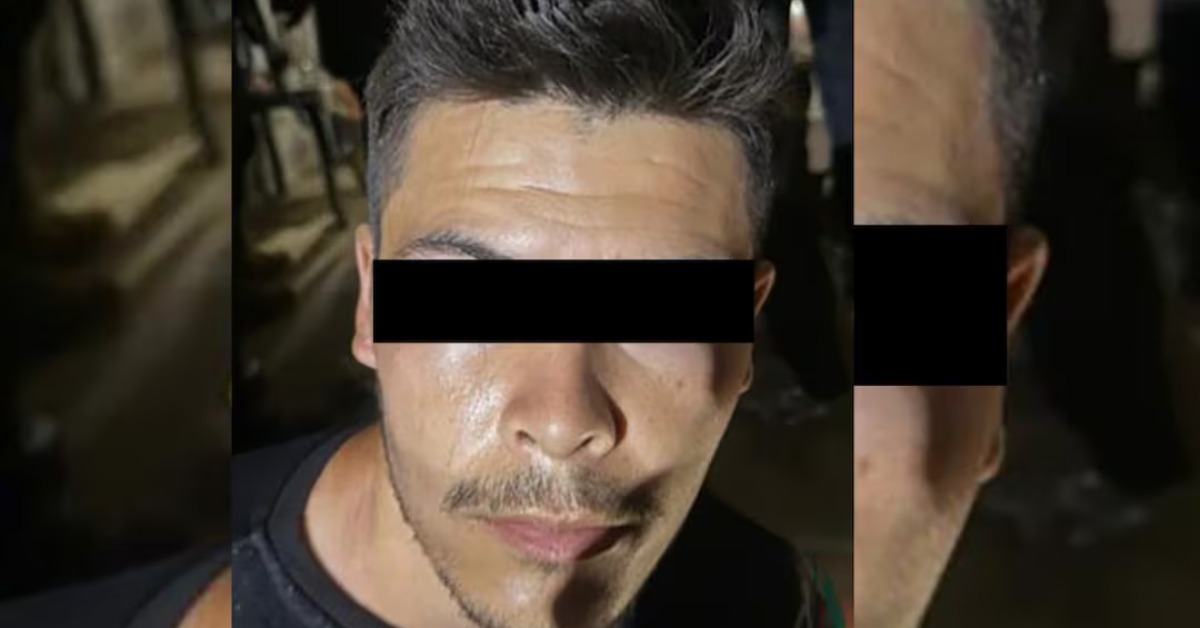
The arrest of Hugo Armando Velázquez Barajas, known as “Comandante Giro,” is more than another name in Mexico’s crime reports. Authorities say the 26-year-old was tied to recruitment for crimes and homicides around Uruapan and linked to a CJNG cell that distributed drugs. The case comes as Michoacán remains under heavy federal attention after months of cartel violence, public fear, and pressure for stronger security in one of western Mexico’s most closely watched regions today.
[adinserter block=”3″]
Arrest in Uruapan targets alleged CJNG recruiter
Federal and state forces arrested Hugo Armando Velázquez Barajas, known as “Comandante Giro,” in Uruapan, Michoacán, during coordinated operations tied to organized crime investigations.
Authorities identified him as an alleged recruiter for crimes and homicides in the area of San Juan el Nuevo. They also linked him to a CJNG cell involved in drug distribution.
A second man, Hugo Velázquez Cervantes, 49, was also detained during the operation. Authorities said both men were taken into custody after investigators identified two properties allegedly used by members of a criminal group.
The arrests were carried out after a judge approved search warrants for homes in Uruapan. During the searches, authorities reported the seizure of drug doses and live cartridges.
What authorities say was found
The operation included federal agencies and Michoacán state authorities. Participating forces included the federal security ministry, federal prosecutors, the Navy, the Army, the National Guard, the Michoacán state prosecutor’s office, and state police.
Authorities said the two detainees were informed of their constitutional rights. They were then turned over to the Ministerio Público, along with the seized items.
That step is important. It means prosecutors must now determine the suspects’ legal situation. The arrest does not equal a conviction, and the case must move through Mexico’s justice system.
For now, the central allegation is that Comandante Giro helped recruit people for criminal activity, including homicides. Authorities have not publicly detailed how the alleged recruitment worked or how many people may have been involved.
[adinserter block=”3″]
Uruapan remains under close security attention
The arrest comes in a region already under a national spotlight. Uruapan has become one of the most closely watched cities in Michoacán because of organized crime pressure, public violence, and the area’s economic importance.
The city sits in one of Mexico’s most important avocado-producing regions. That has made the broader area vulnerable to extortion, trafficking disputes, and criminal control efforts.
For many foreign residents in Mexico, Michoacán is often associated with tourism, food, culture, and colonial towns. But the state also has a long history of cartel conflict. Uruapan, in particular, has appeared repeatedly in national security reports.
The city drew even more attention after the killing of Mayor Carlos Manzo in November 2025. His death led to a broader federal security response in Michoacán and renewed pressure on authorities to confront criminal groups in the state.
The CJNG connection in Michoacán
The Cártel Jalisco Nueva Generación, widely known as CJNG, is one of Mexico’s most powerful criminal organizations. It has been linked to drug trafficking, extortion, weapons trafficking, and violent disputes with rival groups.
Michoacán is strategically important because it connects western Mexico, Pacific routes, agricultural zones, and inland corridors. Criminal groups have fought for influence in the state for years.
Authorities have not described Comandante Giro as a high-ranking national figure. The case appears to focus on a local or regional role. Even so, arrests of alleged recruiters can matter because recruitment is how criminal groups replace lost members and keep pressure on communities.
Recruitment is also one of the most damaging parts of organized crime. It can pull young people and vulnerable residents into criminal networks. In some cases, recruitment is voluntary. In other cases, authorities and rights groups have described coercion, threats, or pressure.
[adinserter block=”3″]
What the arrest may signal
The case fits into a wider pattern of targeted operations against alleged cartel operators. In recent weeks, Mexican authorities have reported arrests tied to CJNG structures, finances, and logistics.
These operations suggest a continued focus on weakening criminal networks by targeting more than visible gunmen. Authorities are also pursuing alleged recruiters, financial operators, local coordinators, and people tied to safe houses or drug distribution points.
For residents, that can mean more security operations in affected areas. It can also mean short-term risks if criminal groups react with roadblocks, fires, or armed intimidation, as has happened after other cartel arrests in western Mexico.
There were no immediate public reports of major violence following the Uruapan operation. Authorities framed the arrest as part of ongoing efforts to weaken groups that generate violence in Michoacán.
[adinserter block=”3″]
What comes next in the case
The next step is in the hands of prosecutors. The Ministerio Público must review the evidence and decide how to proceed. A judge may later determine whether the case moves forward and under what charges.
The public information so far remains limited. Authorities have named the suspects, described the alleged criminal ties, and reported the items seized. They have not released a full case file.
That means some important questions remain unanswered. It is not yet clear how large the alleged recruitment network was, whether more arrests are expected, or whether the operation connects to other recent cases in Uruapan.
For now, the arrest adds another piece to Michoacán’s security picture. It shows that federal and state forces are still targeting alleged CJNG-linked operators in the region, even as the state continues to deal with the deeper causes of cartel control, violence, and recruitment.