In a Feb. 24, 2026, interview, the head of Asociación de Bancos de México, Emilio Romano, described a coordinated effort with the federal government to roll out digital-payment platforms over the coming months, with two early use cases: gas stations and toll booths. The near-term “ask” is operational rather than rhetorical. The banking association is pressing Banco de México to publish and harmonize the technical and operating rules for the instant-payment tools that currently exist, but remain lightly used.
The same interview links the shift away from cash to practical goals that matter for households and small businesses: easier account adoption, more traceable transactions, and a higher share of activity occurring in the formal economy. In parallel comments, BBVA México chief executive Eduardo Osuna framed the digitalization push as a government-level priority under Claudia Sheinbaum, emphasizing that the government itself should collect payments digitally and reduce friction in opening accounts for people who still operate mainly in cash.
How the payment rails work today
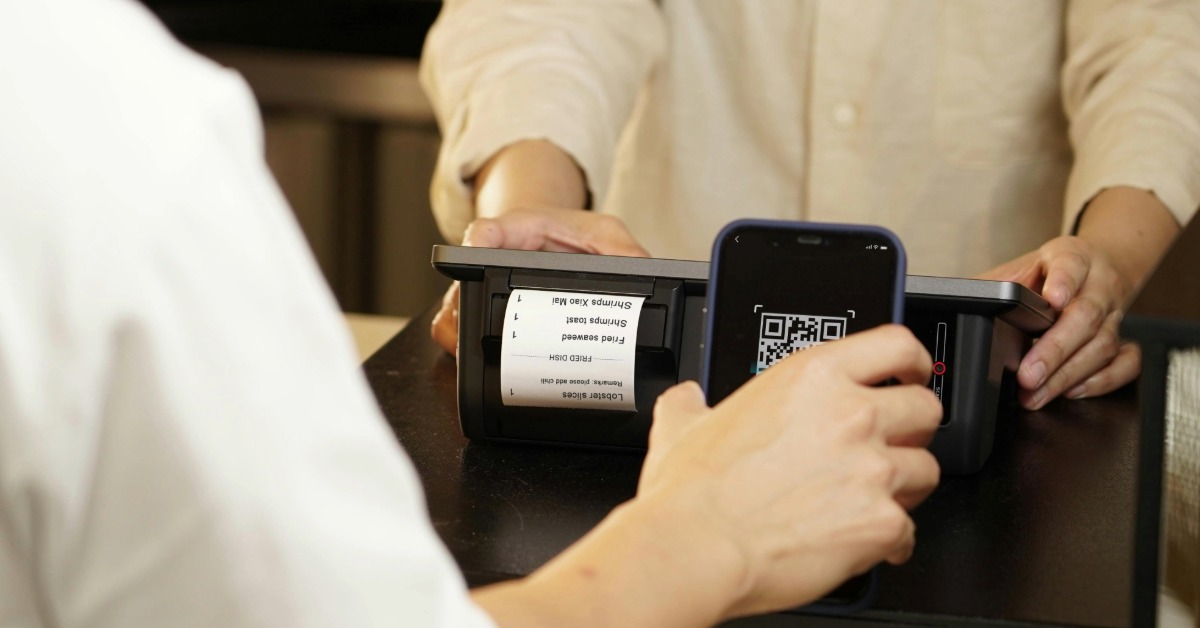
CoDi and DiMo sit atop the Sistema de Pagos Electrónicos Interbancarios (SPEI). CoDi is designed as a “request to pay” flow: the seller initiates a payment request, and the buyer authorizes it from a bank app. Official material describes it as a SPEI functionality intended to move money in real time between deposit accounts and to support payments initiated via QR, NFC, or internet-based messages. Separate central-bank documentation also frames CoDi as supporting payments “up to 8,000 pesos” through these request flows.
DiMo is positioned as a simplification layer for person-to-person or account-to-account transfers by using a phone number as the identifier. The central bank has described it as a SPEI-based scheme offered through financial institutions, in which a user links a mobile number to an account and then sends or receives transfers using that number. Commercial bank explanations add operational detail: enrollment requires explicit consent to share identifying data (phone number, name, and CLABE) with the central bank so other participating institutions can route transfers, and banks may require an extra authentication device or token for sending money.
Why gas stations and toll roads are priority targets
Gas stations and toll booths share two features that make them plausible “first movers” in a cash-reduction strategy. They are high-frequency, consumer-facing transactions that sit within sectors already integrated with the banking system. In the Feb. 24 interview, the banking association explicitly described these as “emblematic” and high-volume lines of business where shifting acceptance rules could materially reduce cash handling, especially if incentives are aligned, and cash is disfavored operationally.
Toll collection also has a parallel track that depends on neither CoDi nor DiMo at all: an ongoing move toward tag-based electronic tolling. Reporting in mid-2025 described Caminos y Puentes Federales announcing that cash lanes on federal toll highways would be phased out, with electronic tags (including IAVE and other interoperable tags) becoming the default mechanism. The same coverage described the intent as speeding throughput at major plazas while limiting cash use, and cited an 80-peso price point for the agency’s tag. Separate local reporting described a “Cero Efectivo” rollout in certain toll plazas, with the practical outcome being that drivers are expected to shift to tags.
What the data shows about cash reliance and digital readiness
National survey data show that cash remains the dominant payment method for everyday purchases, even as digital channels gain ground. In the ENIF results comparing 2021 and 2024, cash remained the most frequent payment method for purchases of 500 pesos or less (85.2% in 2024) and for purchases of 501 pesos or more (73.5% in 2024). Over the same period, the share of reporting transfers or mobile app payments as their primary method rose, but from a low base (4.4% for purchases ≤500 pesos; 7.6% for purchases ≥501 pesos in 2024).
At the same time, digital banking infrastructure is increasingly present in daily life. Among people with a formal savings account, ENIF shows the share using a mobile app to consult or move money rose from 54.3% (2021) to 69.1% (2024). The same results show a decline in reliance on ATMs and branches for account management, which matters because both CoDi and DiMo generally live inside banking apps. ENIF also reports self-declared CoDi use rising nationally between 2021 and 2024 (from 8.3% to 12.8%).
The policy levers shaping adoption
One lever is operational simplicity. The banking association argues that CoDi and DiMo are not well understood, and that implementation frictions across banks limit their role as cash substitutes. Separately, the association has publicly raised the idea of “fusing” CoDi and DiMo so that instant, account-to-account payments become easier to use and more comparable to card payments for everyday commerce. That argument appears alongside a broader debate about how merchant costs (including interchange fees) affect acceptance decisions, especially for smaller merchants.
A second lever is fraud control, which can cut two ways: it can build trust, but it also adds steps. A 2025 modifying resolution published in the official gazette extended deadlines for “Monto Transaccional del Usuario” (MTU) and related controls. For banks, the document sets an Oct. 1, 2025, date for having the infrastructure to comply with the requirements in the specified articles, and a Jan. 1, 2026, date by which institutions or users must set an MTU for accounts contracted through Sept. 30, 2025.
Operational frictions that residents will notice
In practice, MTU acts as a threshold that triggers additional authentication when a digital cash transfer or payment exceeds the user’s normal or configured limit. A regulatory summary from a major bank research unit describes the intent as detecting out-of-pattern activity and requiring an additional authentication factor when a transaction would exceed the MTU, with a defined process for making non-presential changes.
For expats and other residents, the “felt” impact depends on where digital acceptance is first enforced and how consistently it works across institutions. A bank’s consumer-facing DiMo page illustrates how these systems can become gated behind prerequisites: certified phone numbers, additional authentication tools, internet access, and per-transaction ceilings that can constrain use for higher-value transfers. Meanwhile, the central-bank-linked rules governing the association of phone numbers with accounts explicitly require express customer consent when an institution links a mobile number to an account for receiving transfers, and require notices to customers about the association and changes. Taken together, these details point to a trade-off: easier address verification and faster payments, but more formal enrollment steps and more verification at the margins.