X

Latest Puerto Vallarta news on Transportation
Transit schedules, road works, and air or sea routes interact. One delay can ripple across a city or region.
Funding approvals, construction phases, safety works, and airline or port decisions. We track start dates, detours, and new services.
Check the latest route maps and notices. Allow extra time during works or weather events. For cycling, verify protected lanes and detours.
Most disruptions are temporary. Permanent changes go through public notices—watch those for long-term planning.





The Puerto Vallarta transportation beat is about how people and goods move—by bus and suburban vans, car and taxi, on foot and by bike, and through the airport, cruise pier, and marina. For residents, it’s school runs, shift changes, and market days. For visitors, it’s airport transfers, boat tours, and late-night rides home. Policy decides the lanes, the funding, and the rules everyone plays by.
Transit is the backbone for daily trips. City buses and regional routes link inland neighborhoods with the malecón, beaches, hospitals, universities, and the airport. Reliability hangs on headways, simple fares, and well-marked stops. Corridors work best when buses get signal priority, stations clear sidewalk vendors, and transfers are short and shaded. When agencies publish real-time updates and detour maps during roadworks or storms, riders plan better and trust grows.
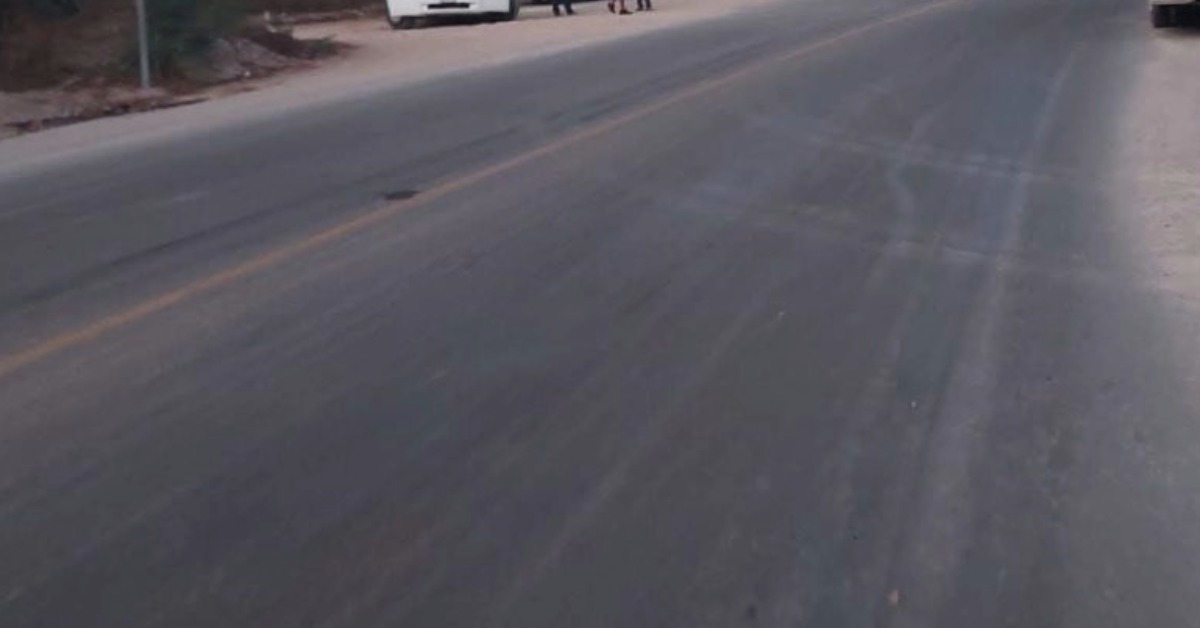
Roads connect the map. Federal highways bring freight and visitors; city streets carry most people the last mile. Maintenance beats ribbon-cuttings. Potholes, faded crossings, missing curb ramps, and clogged drains add minutes and crashes. Smart fixes are basic: resurfacing with proper base, safer junctions, working signals, and honest work orders. For deliveries, clear loading zones and predictable enforcement cut conflict on busy blocks.
Air and sea access set the pace for long trips and exports. The airport moves tourists, residents, and medical travelers; ground access needs lanes that actually flow and public transport that doesn’t vanish after dark. The maritime terminal handles cruise calls and tours; its success depends on safe piers, clear pedestrian routes, and traffic management that keeps buses from choking nearby streets. The marina is a second hub—fuel, repairs, and provisioning matter as much as glossy photos.
Traffic is geometry, not morality. When too many cars chase too little space, delays follow. Tools that work are clear: bus lanes that stay clear, time-of-day turn bans, protected intersections, and dynamic signals. Pricing and parking policy shape demand more than slogans. So do employer commute benefits and school schedules that spread the peak. Where curbs are priced and loading is legal, double-parking fades and buses keep their schedules.
Walking and cycling are the test of a city’s care. Sidewalks, shade, curb ramps, and frequent crossings decide whether kids and seniors can move safely. Protected bike lanes, slow streets, and secure parking unlock short trips that don’t need a car. The malecón proves design changes behavior—when people feel safe, they walk. Extending that comfort inland spreads evening foot traffic to local cafés and shops instead of funneling everyone to one strip.
Safety is design plus enforcement. Lower speeds save lives. Median refuges, daylighted corners, raised crossings, and speed cameras calm lethal corridors. For buses, taxis, and tour vans, regular inspections and professional driver training cut risk. Crash reporting should include location, time, mode, and outcome, then feed directly into fixes the next budget can fund. On the waterfront, clear flags, railings, and anti-slip surfaces reduce falls on wet stone after rain or surge.
Storm season rewrites the script. Heavy rains test drains and hillside roads; surge can reach the promenade. Civil protection may close bridges, shift bus routes, or suspend boat landings. Good operators post contingency plans: earlier runs before a storm, sheltered docks, and clear refund or reschedule policies. After the all-clear, debris removal and signal repairs restore the network; publishing timelines prevents rumor mills from filling the gap.
Freight and intercity travel are changing. Near-port logistics and construction add trucks to corridors that already carry commuters and tour vans. Intercity buses remain essential; decent terminals and priority near city centers keep them competitive. Rail—passenger or freight—works only when at-grade conflicts are removed and schedules are reliable. Logistics parks at metro edges can keep heavy trucks out of neighborhood streets and closer to highways.
How to read Puerto Vallarta transportation news well. Note the corridor and the responsible agency. Is a project a study, a tender, under construction, or delivered and inspected? Look for money, timeline, and service metrics—speed, frequency, reliability, injuries. For airport and port stories, watch capacity numbers and ground-access plans, not just ribbon dates. For detours, seek the updated route map and the date it reverts.
We report on visitor trends, routes, safety guidance, and hotel performance.