Puerto Vallarta can feel packed one weekend and strangely quiet the next. That does not always mean the destination is booming or failing. It usually means several tourism gauges are moving at the same time. Hotel occupancy, airport arrivals, cruise calls, exchange rates, public perception of safety, and major events all contribute to the local economy in different ways. The result is a city where strong tourism numbers can mask weak spots, and a slow month can still show signs of recovery.
[adinserter block=”3″]
The Hidden Reason Vallarta Tourism Feels So Uneven
Puerto Vallarta’s tourism economy can feel solid at breakfast and wobbly by dinner. A hotelier sees a weekend bump. A restaurant owner watches Tuesday go quiet. Airport numbers slide in March, then a new air route gives the long view a little oxygen. It may seem confusing, but it is how tourism in Puerto Vallarta operates.
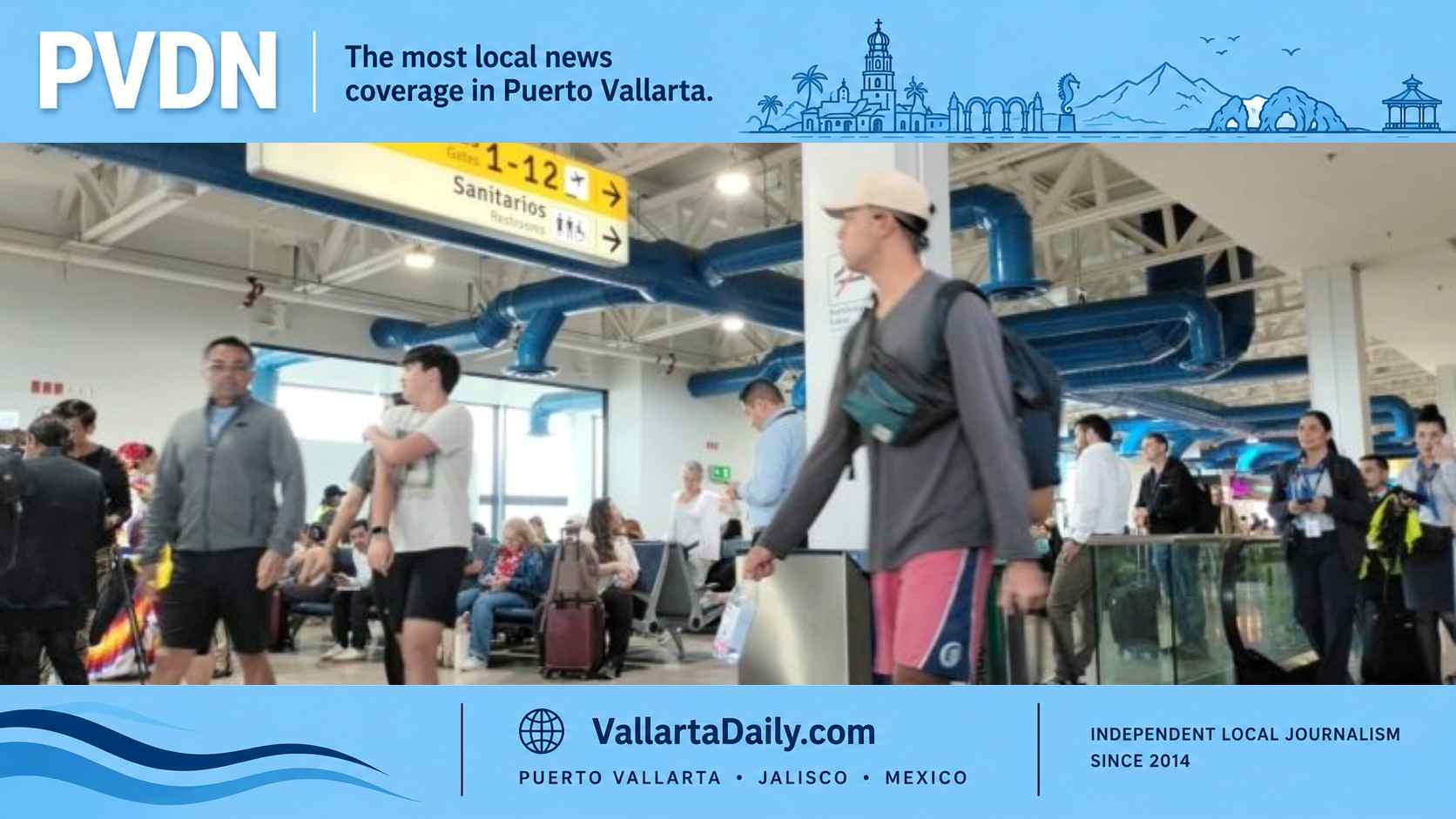
Local tourism leaders say World Cup demand has not yet filled hotels in Puerto Vallarta and Bahía de Banderas, even as they still expect late travel tied to Guadalajara’s matches. June’s cruise calendar is thin, with only four ship calls scheduled and all of them packed into two Tuesdays. Grupo Aeroportuario del Pacífico reported a 24.4 percent drop in total March passenger traffic at Puerto Vallarta airport compared with March 2025. At the same time, Iberia’s new Madrid–Monterrey service, via Viva connections, makes Puerto Vallarta more accessible for travelers arriving in Mexico from Europe.
Hotel occupancy is useful, but it does not tell the whole story
Hotel occupancy is the number people look at first, because it is easy to understand. A full hotel looks like a full destination. Empty balconies look like tourism is falling.
Occupancy indicates how many rooms are occupied. It does not tell you how much guests paid, whether they booked directly, how many workers were scheduled, or whether visitors left the property to spend money in town. Federal tourism data from DataTur’s hotel monitoring system can show the formal lodging picture, but the street-level economy is a bit more difficult to gauge.
A 60 percent month can be healthy in one season and disappointing in another. In January, that figure would make hoteliers reach for the strong coffee, or something harsher. In late spring or early summer, it can look closer to normal, depending on the week, airfare, and the mood of travelers up north. Weekend peaks also make us forget the weekday softness. A resort can look busy on Saturday and still carry a soft month on its books.
[adinserter block=”3″]
Puerto Vallarta runs on more than one tourism calendar
Puerto Vallarta has several tourism calendars running at once. Winter brings North American visitors escaping cold weather. Semana Santa and Easter encourage travel among Mexican families. Summer leans more domestic and price-sensitive.
Events then punch holes in the slow stretches. Pride, gastronomy festivals, sports weekends, conventions, long weekends, and public celebrations can all lift occupancy for a few days. That helps, but it also creates a stop-and-start rhythm. A business can have a great weekend and a weak month without anyone lying about the numbers.
Airlift is the oxygen line
Hotels cannot sell rooms to people who cannot get here at a reasonable price. When airlines add seats, the destination gains room to grow. When routes shrink, fares rise, or travelers hesitate, the slowdown reaches hotels, taxis, restaurants, guides, and airport workers.
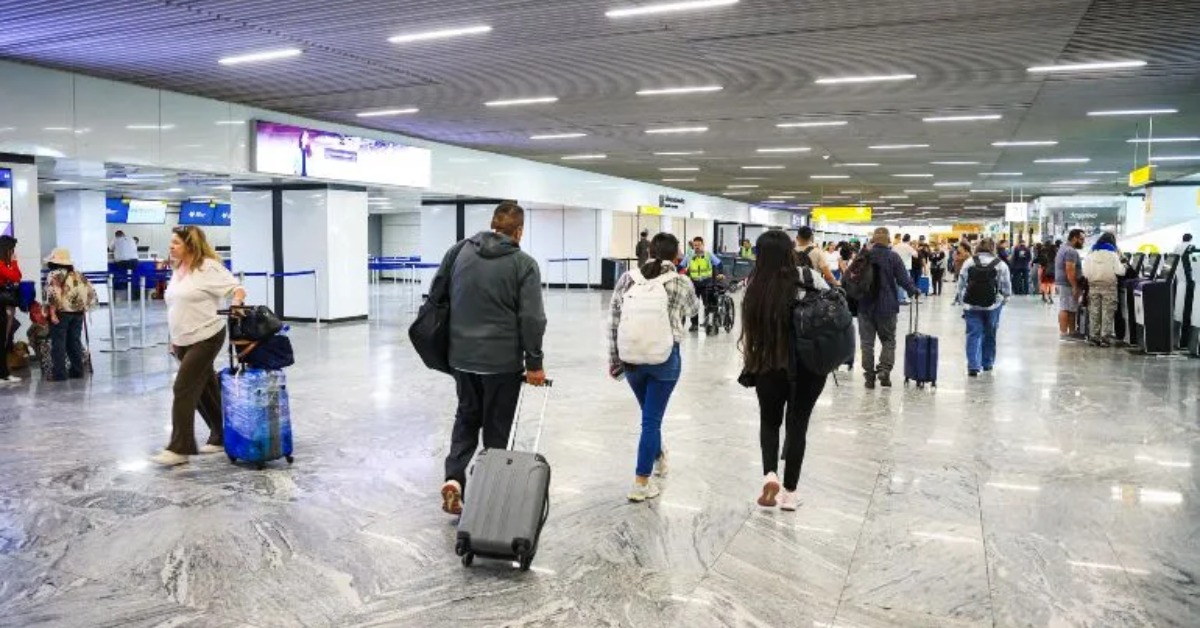
March gave Vallarta a hard example. GAP’s monthly traffic release showed Puerto Vallarta among the Mexican airports with the steepest year-over-year declines, and Vallarta Daily previously reported that March international air traffic fell sharply. A single month does not define a destination, but it shows how quickly perception, schedules, and confidence can hit the same dashboard.
Connectivity can pull the other way. Iberia’s Madrid–Monterrey route does not mean Spanish tourists will suddenly flood the Malecón. Travel does not work like a faucet. Still, the Iberia-Viva agreement matters because Puerto Vallarta is among the 32 Mexican destinations that can be reached via Monterrey. Better connectivity usually starts as an option, then becomes a habit if pricing, timing, and promotion line up.
[adinserter block=”3″]
Cruise ships bring bursts, not hotel nights
Cruises work differently from hotels. A ship call can fill taxis, tours, jewelry shops, pharmacies, beach clubs, and the Malecón for a few compressed hours. Cruise passengers do not fill hotel rooms, and a busy pier does not always mean a busy restaurant at dinner.
June’s four-call schedule shows the problem neatly. Two Tuesdays can deliver bursts of business, while much of the month still feels quiet. A tour operator may have a strong ship day and a weak week. A café may feel the exchange rate before the hotel zone does. A gallery may depend on walkers from Centro and the Romantic Zone, rather than on all-inclusive guests who stay behind resort gates.
Prices, exchange rates and confidence change the mood
The exchange rate adds another twist. For years, many foreign visitors treated Mexico as a place where their dollar or Canadian dollar stretched far. A stronger peso changes that math. Hotels can look more expensive, restaurant bills feel less forgiving, and second-home owners may spend more carefully. Visitors still come, but the old bargain reflex is weaker.
Public perception of safety may be the most stubborn variable. Tourism is a confidence business. When travelers see troubling headlines, many do not separate one neighborhood, one state, or one short-lived incident from the whole country. Business leaders in May described weaker visitor flow and sales following February’s violence, while hotel executives told Expansión that the perception can linger longer than the event itself.
Major events do not fill every bed automatically
The World Cup will put Guadalajara in front of millions of people, and Puerto Vallarta has a fair argument as a beach escape after match days. Even so, fans do not automatically trade a stadium city for a resort city. Some stay close to the matches. Others book late. Plenty watch from home and save the beach trip for another year.
That is why World Cup optimism and empty rooms can coexist. Vallarta can host fan zones, package hotels, and court travelers who want a post-match beach break. Those efforts can help restaurants, bars, shops, and tours if visitors spend time outside their hotels. They cannot rewrite the full season by themselves. Vallarta Daily has already tracked how local tourism leaders are trying to turn Guadalajara’s tournament traffic into beach demand through World Cup-related campaigns.
A healthier reading of Vallarta tourism looks beyond one headline number. Strong occupancy with heavy discounting is weaker than it looks. Lower occupancy with high room rates can still protect payroll and margins. Airport growth without local spending leaves downtown businesses unimpressed. Cruise calls are more helpful when they are spread across the calendar rather than stacked into a few days.
[adinserter block=”3″]
Residents feel this economy in ordinary ways. Traffic gets heavy, then suddenly moves. Beach clubs feel packed, then the staff gets sent home early. Rents, wages, tips, taxi demand, and restaurant reservations all react to different parts of the same machine. Anyone waiting for one clean number to explain Puerto Vallarta will spend a lot of time being surprised.
Puerto Vallarta’s tourism economy is strong because it has beaches, air service, hotel inventory, restaurants, events, cruise traffic, and a global name people still recognize. It is fragile because each of those pieces can wobble on its own. A good month can hide soft air arrivals. A weak cruise calendar can land during decent hotel occupancy. A new route can improve the future, while this week still feels slow.
The city can fill a hotel lobby and leave a side-street business wondering where everyone went. That is not a contradiction. It is the daily math of a place that lives from visitors, seasons, confidence, and timing.