A takeover fight in Mexico’s FIBRA market is putting warehouses, logistics parks, and nearshoring demand under a brighter light. Fibra Macquarie is not a household name for most readers, but its portfolio reaches deep into Mexico’s industrial economy. The offers now on the table show why investors are watching a sector that moves goods, supplies factories, and connects Mexico to North American trade. The result could reshape one of Mexico’s most important real estate niches.
See our Mexico real estate hub for zoning, rents, and STR basics.
Fibra Macquarie bidding war puts Mexico’s industrial property market in focus
A fight over Fibra Macquarie has become one of the clearest signs that Mexico’s industrial real estate market remains a target for large investors.
Fibra Mty, Fibra Next, and Fibra Prologis are now competing for control of Fibra Macquarie assets, each trying to position itself around a portfolio tied heavily to warehouses, logistics, and manufacturing demand. The offers come as Mexico’s industrial property sector continues to benefit from nearshoring, e-commerce, and the reorganization of North American supply chains.
For international readers, the story may sound technical. It involves listed real estate trusts, exchange ratios, and certificates traded on the Mexican stock market. But the larger point is simpler. Investors are placing a higher value on the buildings that support Mexico’s growing role in manufacturing and logistics.
What is Fibra Macquarie?
Fibra Macquarie is a Mexican real estate investment trust. In Mexico, these trusts are known as FIBRAs, which work much like REITs in the United States and Canada.
They own income-producing real estate and distribute a large share of taxable income to investors. Their securities trade on the stock market, which allows investors to buy into large real estate portfolios without owning a building directly.
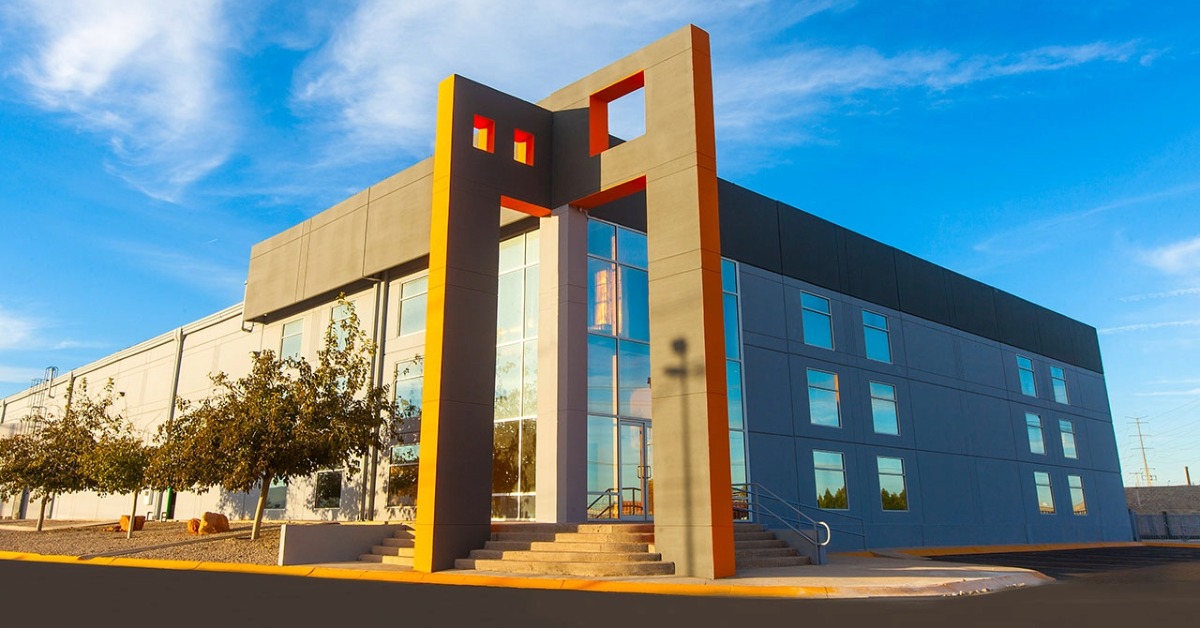
Fibra Macquarie focuses on industrial, retail, and office real estate opportunities in Mexico. Its latest disclosed portfolio is concentrated in industrial and retail properties. As of the first quarter of 2026, the trust reported 245 industrial properties and 17 retail properties, with more than 3.4 million square meters of gross leasable area.
That makes Fibra Macquarie attractive at a time when industrial property is one of Mexico’s most-watched real estate sectors.
Why the offers matter
The competition centers on Fibra Macquarie’s CBFIs, the real estate trust certificates that represent investor ownership in the trust. Whoever gains control would expand its reach in a sector linked to factories, distribution centers, and logistics corridors.
Fibra Mty launched a mixed offer involving cash and its own certificates. Its proposal values the deal at about 37.46 billion pesos, based on company materials. The offer includes an exchange of three Fibra Mty CBFIs for each Fibra Macquarie CBFI, with a cash option of 44 pesos per Fibra Macquarie certificate, subject to a cap.
Fibra Next also improved its proposal. Its revised plan offers 0.475 Fibra Next CBFIs for each Fibra Macquarie certificate, or a cash option of 47.50 pesos per certificate, up to a maximum cash amount of about 13.26 billion pesos.
Fibra Prologis raised its exchange ratio to 0.535 Fibra Prologis CBFIs for each Fibra Macquarie certificate. It also offered a cash option of 44 pesos per certificate, capped at about 10.52 billion pesos.
The terms are not identical, and investors will weigh more than the headline price. They will also look at liquidity, management structure, leverage, regulatory approvals, asset quality, and future growth plans.
Why industrial real estate is driving the fight
Mexico’s industrial real estate market has become more valuable because companies need space near factories, ports, highways, airports, and consumer markets.
The demand is tied to nearshoring, a term used to describe companies moving production or suppliers closer to their main markets. For Mexico, that usually means companies serving the United States and Canada want more manufacturing or logistics capacity within Mexico.
The trend does not move in a straight line. Some northern markets have seen rising vacancy after heavy construction. Financing has also become more selective. Still, industrial property remains one of the strongest parts of Mexico’s real estate market.
Warehouses and logistics parks are no longer just background infrastructure. They are now part of how companies manage trade risk, delivery times, and regional supply chains.
That helps explain why multiple FIBRAs are willing to compete for Fibra Macquarie. The trust gives a buyer a ready-made industrial footprint across key Mexican markets.
What this means for Mexico’s economy
This bidding war is also a signal about how investors view Mexico’s economic future.
Industrial property demand is connected to manufacturing, logistics, retail distribution, and cross-border trade. When investors compete for these assets, they are betting that companies will continue to need space in Mexico.
That matters beyond the stock market. Industrial parks can bring jobs, infrastructure pressure, transport demand, and new business activity. They can also shape where cities grow and how local governments manage roads, water, electricity, and permitting.
For foreigners living in Mexico, this story is not about residential housing prices or beach markets. It is about the business side of Mexico’s real estate economy. The same nearshoring trend that affects factories and warehouses can also influence the peso, employment, local services, and regional development.
The bigger shift in Mexico’s FIBRA market
The contest for Fibra Macquarie points to a broader consolidation trend among Mexican FIBRAs.
Industrial portfolios are becoming strategic assets. Larger trusts can often borrow more efficiently, spread costs across more properties, and offer tenants a wider national footprint. That can be useful for companies needing space in several cities.
Fibra Prologis already has a large industrial platform in Mexico, while Fibra Mty has expanded its base and increased its industrial exposure. Fibra Next was created with a focus on nearshoring-linked growth and industrial assets.
Each bidder is trying to show that its structure offers a better future for Fibra Macquarie investors. That is why the fight has moved beyond price. The argument is also about management, growth strategy, and the value of scale.
What happens next
The outcome will depend on investor decisions, offer terms, and regulatory steps. The process also depends on whether holders of Fibra Macquarie certificates believe one proposal offers better long-term value than the others.
The current competition shows that Fibra Macquarie is no longer being viewed as a passive portfolio. It is being treated as a strategic platform in Mexico’s industrial property market.
For now, the fight is a market story. But it also reflects a larger change in Mexico’s economy. Warehouses, logistics parks, and industrial buildings are becoming some of the country’s most important real estate assets.
As nearshoring becomes less of a slogan and more of an operating reality, investors are looking for the companies that already own the space needed to make it work.