Mexico is entering the 2026 Pacific hurricane season with a new climate warning from UNAM. Researchers say a strong El Niño could arrive in a warmer world, altering the odds of drought, heavy rain, and rapidly strengthening storms. The concern is not only the number of hurricanes. It is how quickly conditions can shift, especially for coastal communities, tourism areas, and residents who may have little time to prepare when a storm intensifies near shore.
UNAM Warns Possible Super El Niño Could Intensify Pacific Hurricanes
UNAM researchers warn that a possible strong El Niño event in 2026–2027 could increase the risk of severe weather in Mexico, including deeper droughts, heavier rainfall, and stronger Pacific hurricanes.
The warning comes as the eastern Pacific prepares for the official start of hurricane season on May 15. The season runs through November 30, and Mexico’s Pacific coast is already watching forecasts that suggest above-normal activity.
The main concern is not only that more systems could form. Researchers are also focused on rapid intensification, when a storm gains strength quickly over warm ocean water. That type of change can leave coastal communities with less time to react.
For Mexico’s Pacific coast, the issue is direct. The region includes major tourism and residential areas such as Puerto Vallarta, Riviera Nayarit, Manzanillo, Zihuatanejo, Acapulco, Huatulco, and Los Cabos, as well as many smaller beach towns. Many foreign residents and visitors live close to beaches, rivers, hillsides, and flood-prone streets.
UNAM’s warning does not guarantee a historic event. Climate forecasts still carry uncertainty, especially during spring. But the alert is serious because several global climate models now point toward El Niño conditions developing during 2026 and possibly lasting into 2027.
At the same time, the oceans and the atmosphere are warmer than during past major El Niño events. That added heat can make familiar climate patterns behave in less familiar ways.
What El Niño is and why this one is being watched
El Niño is the warm phase of the El Niño-Southern Oscillation (ENSO). It is a natural climate pattern centered in the tropical Pacific Ocean.
During El Niño, ocean surface temperatures in the central and eastern equatorial Pacific become warmer than normal. That ocean heat can shift wind, pressure, and rainfall patterns across large parts of the world.
La Niña is the cooler phase. A neutral phase sits between the two.
El Niño is not new. It usually appears every two to seven years and often lasts around nine to twelve months. Some events are weak. Others are strong enough to affect rainfall, crop cycles, reservoirs, power demand, storm tracks, and disaster planning.
UNAM researchers say the current concern is the possible development of an event similar to the strongest modern El Niño episodes. Those include 1982–1983, 1997–1998, and 2015–2016.
The phrase “super El Niño” is not a formal operational category used by all meteorological agencies. It is more of a public warning term for an unusually strong event. Official climate centers usually describe El Niño by sea-surface temperature thresholds and probabilities.
That distinction matters. A strong El Niño is possible, but not yet certain. Forecasts are improving, but the final strength will depend on how the ocean and atmosphere interact during the next several months.
The forecast is moving toward El Niño
International climate centers now show a clear shift away from La Niña and toward El Niño. Recent outlooks describe the Pacific as neutral or near neutral, with warming signals building below the ocean surface.
The U.S. Climate Prediction Center issued an El Niño Watch in April. Its forecast said neutral conditions were favored through April to June, but El Niño was likely to emerge between May and July and persist through at least the end of 2026.
The International Research Institute for Climate and Society at Columbia University also pointed to a rapid transition. Its April forecast placed El Niño as the dominant outcome for much of 2026.
UNAM’s warning adds a Mexico-focused layer to those forecasts. Francisco Estrada Porrúa, coordinator of UNAM’s Climate Change Research Program, said the potential event could peak around September or October if it intensifies.
That timing would overlap with one of the most active parts of the Pacific hurricane season.
Researchers also point to a well-known forecasting problem known as the spring predictability barrier. In simple terms, forecasts made during spring can be less reliable than forecasts made later in the year. The Pacific system is changing during this period, so model confidence improves after spring.
That does not erase the warning. It means readers should understand it as a risk signal, not a final verdict.
A warmer world changes the risk
El Niño has always shaped weather. What is different now is the background climate.
The planet has warmed sharply compared with preindustrial levels. UNAM researchers say that background warming can change how ENSO affects weather extremes.
A warmer atmosphere can hold more water vapor. That can make extreme rainfall events heavier when the right storm pattern forms. Warmer land can also dry soils faster, which can deepen drought and raise heat stress.
The same logic applies to the ocean. Hurricanes draw much of their energy from warm water. When sea-surface temperatures are high, storms can strengthen faster if wind shear and other atmospheric conditions allow it.
This does not mean every storm becomes stronger. It means the environment can become more supportive of stronger storms when the right ingredients come together.
That is why the warning matters for Mexico’s Pacific coast. El Niño often supports tropical cyclone activity in the eastern and central Pacific. It can also reduce hurricane activity in the Atlantic, though every season still has its own pattern.
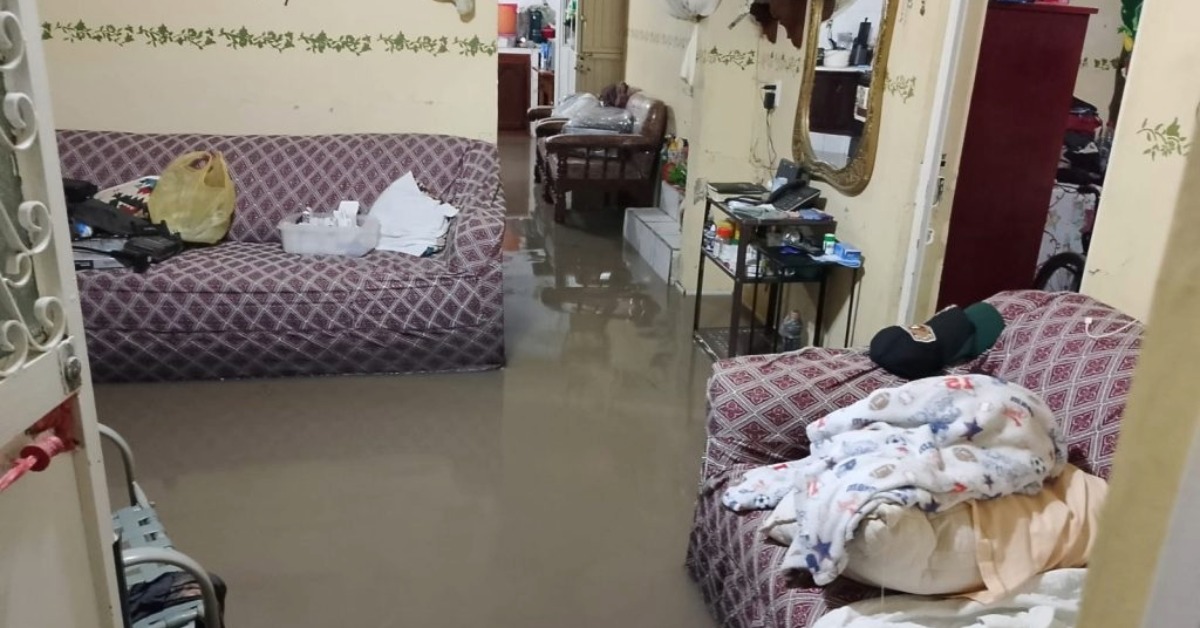
For residents, the difference may show up as more intense rain bands, faster-changing forecasts, stronger surf, flash flooding, landslides, and sudden closures of ports, beaches, and roads.
Pacific hurricanes can change quickly
Mexico has already seen the danger of rapid intensification.
Hurricane Otis became a defining example in 2023 when it struck Acapulco as a Category 5 hurricane after strengthening at an exceptional speed. Many people had little time to process the scale of the threat before landfall.
Hurricane Patricia in 2015 was another major Pacific hurricane. It became one of the strongest storms ever recorded in the eastern Pacific before weakening ahead of landfall in Jalisco.
These storms were not identical, and one event does not predict another. But both show why warm water and fast-changing storms are a concern for Mexico.
Rapid intensification is difficult for the public because it compresses the decision window. A storm that appears manageable one day can become dangerous the next morning. That creates problems for evacuations, airport operations, hotel guests, boats, hospitals, and people living in low-lying neighborhoods.
For tourism areas, timing matters. Visitors may not know local evacuation routes. Foreign residents may not follow Spanish-language emergency accounts. People who rent short-term apartments may not know if their building has a storm plan.
In coastal Mexico, risk is also not limited to the beach. Heavy rain can flood inland streets, overflow arroyos, trigger landslides, and cut off mountain roads. Rivers that look calm during the dry season can rise quickly during tropical downpours.
Drought is also part of the concern
The warning is not only about hurricanes. A strong El Niño can also increase drought risk in parts of Mexico.
Historically, stronger El Niño events have often been linked with lower rainfall and drought conditions in parts of the country. That can affect agriculture, livestock, reservoirs, forests, and urban water supplies.
UNAM researchers estimate that drought linked to these patterns can bring large economic losses. Farming communities can face reduced yields, higher irrigation costs, and stress on local wells. Cities may face tighter water management if reservoirs fail to recover during the rainy season.
Tourism areas can also feel the pressure. Hotels, restaurants, and rental properties depend on reliable water service. When drought and heat strain supply systems, the effects reach daily life quickly.
There is also a public health layer. Heat waves become more dangerous when dry conditions persist. Older adults, outdoor workers, people without reliable cooling, and those with chronic illness are at higher risk.
For many expats in Mexico, this is a practical issue. Water delivery, air conditioning costs, road access, and insurance questions can become part of storm and drought planning.
Heavy rain can arrive in unexpected places
One of UNAM’s main points is that old weather expectations may no longer be enough.
Researchers say climate change may be altering how ENSO interacts with regional weather. These long-distance climate links are known as teleconnections. In plain terms, they describe how warming in one part of the Pacific can change rainfall and temperature patterns far away.
In the past, a strong El Niño gave forecasters certain expectations for Mexico. Some areas were more likely to be dry. Others were more likely to see shifts in rainfall.
But recent research suggests those patterns may be changing. A warmer climate can move the zones of higher risk. It can also change the intensity of extremes.
That means a region that expects drought could still see episodes of extreme rain. A region prone to seasonal storms could see stronger downpours than its drainage systems were designed to handle.
For coastal cities, this is a planning problem. Many streets, river crossings, and hillside neighborhoods were designed for a past climate. They may not handle future rainfall in the same way.
Puerto Vallarta and nearby communities already know this issue. Heavy rain can flood low areas, damage roads, and fill streets with runoff from the mountains. In beach towns, rainwater can also carry debris and pollution into bays and coastal waters.
Mexico’s 2026 hurricane outlook adds to the concern
Mexico’s official 2026 outlook expects an active Pacific season. Forecasts call for 18 to 21 named systems in the Pacific basin, including several hurricanes and multiple major hurricanes.
A seasonal forecast does not say where storms will go. Most Pacific storms stay offshore or curve away from land. Others move close enough to bring dangerous rain, surf, and wind.
The key point is exposure. Mexico has a long Pacific coastline, and many communities sit near steep mountains, rivers, or low coastal plains. That geography can turn heavy tropical rain into flooding and landslides.
Puerto Vallarta has some natural protection from direct hits due to its position within Banderas Bay and the surrounding mountains. But that does not remove the risk. The area can still face heavy rain, high surf, river flooding, road closures, falling trees, power outages, and disruptions to flights and marine activity.
The same is true for Riviera Nayarit, where coastal development has expanded quickly. More homes, hotels, and roads mean more people and property are exposed when storms pass nearby.
Preparedness is not only a government responsibility. Property managers, condominium boards, hotels, small businesses, and residents all need practical plans before the season becomes active.
What residents and travelers should watch
The first thing to watch is the official forecast track of any storm. But track is only one part of the risk.
A storm does not need to make direct landfall to cause problems. Rain bands can extend far from the center. A storm offshore can still produce dangerous surf, rip currents, port closures, and heavy rain over coastal mountains.
People should also watch the pace of strengthening. When forecasters warn that a system may intensify quickly, plans should move faster.
For residents, the basics remain important. Documents should be easy to access. Phones and power banks should be charged before a storm. Drinking water, medications, and pet needs should be covered. Vehicles should not be left in areas that often flood.
For condo owners and renters, building rules matter. Know who controls storm shutters, rooftop access, elevators, generators, and water pumps. Ask how the building handles power outages and flooding.
For travelers, the main issue is flexibility. During hurricane season, flight changes and road closures can happen with little notice. Travel insurance should be checked before the trip, not after a storm forms.
People staying in hotels should follow the staff’s instructions. Hotels in coastal Mexico usually have storm protocols, but guests still need to pay attention to local advisories.
The tourism economy has more at stake
Pacific hurricanes can hit tourism communities in several ways.
The most obvious risk is physical damage. Strong wind, flooding, landslides, and storm surge can damage hotels, restaurants, roads, beaches, and marinas.
The second risk is disruption. Even a near miss can close ports, cancel tours, delay flights, and reduce bookings. Small operators often have less financial cushion than large hotel groups.
The third risk is reputation. Images of storm damage can spread quickly, even when the affected area is limited. That can hurt destinations after the immediate danger has passed.
For Puerto Vallarta, Riviera Nayarit, and Los Cabos, the issue is not panic. It is preparation. These destinations depend on visitor confidence, and confidence depends on clear information.
Better storm communication helps everyone. Residents need practical guidance. Visitors need simple instructions. Businesses need enough lead time to protect workers, guests, and property.
A strong El Niño would not pose every risk on its own. But it could add fuel to a season already expected to be active in the Pacific.
Uncertainty should not be confused with safety
One of the hardest parts of climate reporting is explaining uncertainty without making the threat sound weak.
Scientists do not know yet whether the 2026–2027 El Niño will become a historic event. Forecasts can change. The Pacific may warm less than expected, or atmospheric conditions may fail to fully lock in.
But uncertainty cuts both ways. It can mean a threat becomes smaller. It can also mean a threat becomes clearer later, with less time left to prepare.
That is why early warnings are useful. They give governments, businesses, and households time to review plans before a storm is named.
UNAM’s message is also broader than one forecast cycle. Researchers are saying Mexico’s climate risks are changing. Past records remain useful, but they may not be enough.
A stronger El Niño in a warmer world could bring a mix of drought, extreme rainfall, and more intense Pacific storms. That combination is difficult because each hazard affects a different part of daily life.
Drought strains water systems and agriculture. Heavy rain overwhelms streets and rivers. Hurricanes can damage infrastructure and disrupt tourism. Heat raises health risks and energy demand.
Mexico has experience with all of these problems. The challenge is that they may overlap more often and arrive with less predictable patterns.
A season to follow closely
The 2026 Pacific hurricane season will begin with more attention than usual. Climate models are leaning toward El Niño. Mexico’s Pacific outlook is active. UNAM researchers are warning that a strong event could arrive in a warmer, less predictable climate system.
For coastal residents, the practical message is clear. This is a season to follow closely from the start, not only once a storm is near land.
For Puerto Vallarta and other tourism areas, the concern is not that a disaster is certain. It is these conditions that may support storms that strengthen faster, bring heavier rain, or behave outside familiar patterns.
The best response is steady preparation, clear information, and early action. El Niño may still fall short of the most severe projections. But if it does become strong, the communities that prepare early will be in a better position when the weather changes.