
The most local news coverage in Puerto Vallarta
Latest Puerto Vallarta news on Infrastructure and Utilities
Pipes, lines, roads, and servers. We track upgrades, maintenance, and funding that determine reliability.
Bids and contracts show scope and deadlines. Change orders and budgets move dates. We translate technical memos into plain language.
Planned cuts, emergency repairs, and weather can interrupt services. Notices list affected zones and restoration windows.
Know your providers and escalation paths. Document issues with times and addresses.
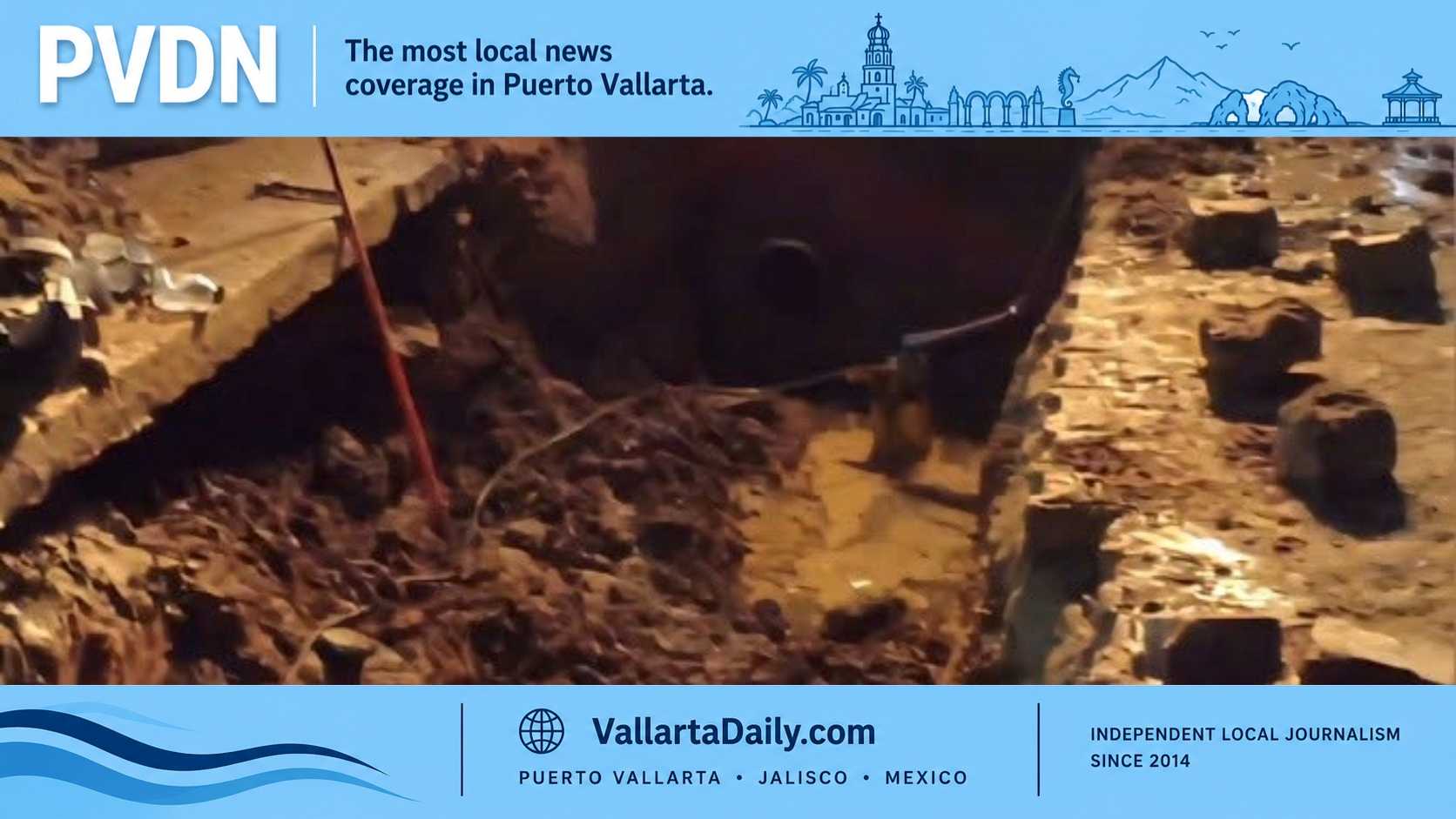








The Puerto Vallarta infrastructure beat is the plumbing of daily life: water, power, internet, waste, sewage, and the public works that keep a coastal city running in storm season and high season alike. It looks technical. It’s really about trust. When taps flow, lights stay on, and streets drain after a downpour, families breathe easier and businesses plan with confidence. Our coverage follows how those basics are funded, built, maintained, and inspected—because the boring parts decide whether the bay city feels steady or brittle.
Water comes first. Supply depends on rivers, wells, and the pipes and pumps that link them. Leaks can drain a big share of production before it reaches homes. Drought tightens pressure; floods overwhelm drains. The fixes are not flashy. Meter accuracy, pressure management, leak repair, and watershed care stretch every liter. Rooftop tanks help households bridge outages, but they need cleaning and sealed lids. Hotels, condos, and hospitals must budget for storage, booster pumps, and backflow protection. During the rains, open inlets and cleared gutters are the difference between a wet street and a flooded block.
Power is stable most days and stressed on the worst days. Heat waves spike demand. Storm winds snap lines. Reliability rides on generation mix, substation capacity, vegetation clearing, and honest maintenance. Big users want voltage that does not flicker; homes want bills they can predict. Rooftop solar is growing. The grid connection and a simple UPS for routers and fridges turn short cuts into non-events. For critical sites—clinics, elevators, pumps—tested generators matter more than press releases.
Internet is core infrastructure now. Fiber corridors shape who can study, sell, or call for help. Urban nodes add capacity fast; hillside gaps remain. The street-level test is simple: consistent speed and low latency at dinner time. Permits, pole access, and right-of-way set build speed more than slogans. For small firms, a second line—fiber plus wireless—is cheap insurance. Public Wi-Fi helps plazas and schools only if backups and filters keep it alive when the grid hiccups.
Waste and sewage are health, not housekeeping. Collection routes, transfer stations, and staffed schedules keep piles from forming. Landfills need liners, gas control, and daily cover or neighbors pay in odors and pests. Sewage plants protect rivers and beaches, but only if they run after the ribbon-cutting. Grease traps, grit chambers, and lift stations fail quietly and then all at once. After big storms, water-quality test dates and retest calendars should be public; hotels, restaurants, and swimmers plan around those numbers, not rumors.
Stormwater is the forgotten sibling. When inlets vanish under fresh pavement or contractors bury a drain, the next downpour writes the headline. Curb inlets, sumped corners, and debris screens are small line items that save homes and shops. Hillside works—check dams, anchored slopes, and clean culverts—keep mud off avenues and out of the bay. Beach sand moves; setbacks and dune care must respect that or a promenade will suffer for it.
Public works tie it together. Pavement, bridges, lighting, parks, flood control, and transit come from annual budgets and multi-year plans. The cycle is predictable: design, bidding, construction, and maintenance. The last step fails most often. Good contracts include materials testing, lifecycle costs, penalties for shoddy work, and a maintenance line, not just a ribbon date. Community oversight helps; residents know when a crew skipped compaction or paved shut a drain.
Tourism and industry shape priorities. Resorts push for beach pumps, promenades, and airport links. Logistics and construction demand reliable power, bulk water, and truck access. Both needs are real. The test is balance. Projects should add capacity for residents, not only for visitors or a single plant. If a plan strains housing or water, mitigation must be funded, built, and monitored—not promised.
How to read Puerto Vallarta utilities news well. Note who owns the asset, who operates it, and who pays for upgrades. Check whether a project is a concept, a tender, under construction, or delivered and inspected. For outages, ask about cause, backup steps, and prevention, not just restoration time. For beaches and rivers, look for posted data with sampling points and dates. For roads, look for base repair, not just a thin overlay that will ravel by next season.
We report on water, power, internet, waste/sewage, and public works